




The psoas major muscle is a crucial component of the hip flexor group, a collection of muscles whose primary function is to facilitate the movement of the upper leg towards the body or the body towards the leg. Located in the lateral lumbar region, this long, fusiform muscle works in conjunction with other muscles to enable a wide range of movements essential for daily life, from walking and running to maintaining an upright posture. Its specific
anatomical connections and innervation highlight its importance in the mechanics of the hip joint.
The Psoas Major as a Core Hip Flexor
The psoas major is recognized as a key member of the hip flexor group. This group of muscles is primarily responsible for the action of hip flexion, which involves bending the hip joint. When the body is fixed, these muscles work to lift the upper leg towards the torso. Conversely, if the leg is fixed, they can pull the body towards the leg. This dual action is fundamental to many dynamic movements and static postures.
Its anatomical structure supports this role. The psoas major originates from the transverse processes of lumbar vertebrae L1-L5, as well as the lateral surfaces of the last thoracic vertebra, lumbar vertebrae L1-L4, and their neighboring intervertebral discs. This extensive origin provides a strong base for its action. It then merges with the iliacus muscle to form the iliopsoas, which inserts onto the lesser trochanter of the femur, a critical attachment point for hip flexion.
The Iliopsoas: A Powerful Combination
The psoas major's collaboration with the iliacus muscle to form the iliopsoas is particularly significant. The iliopsoas is widely considered the strongest flexor of the hip. While the psoas major and iliacus are separate muscles in the abdominal region, they typically converge in the thigh, sharing a common tendon that attaches to the lesser trochanter. This combined structure allows for a highly efficient and powerful pulling action on the femur.
This powerful hip flexion is essential for various activities. For instance, when performing a sit-up, the hip flexors, including the iliopsoas, are instrumental in bringing the torso forward and off the ground. Similarly, during walking or running, the iliopsoas is responsible for lifting the leg forward with each stride. The psoas major's innervation by the lumbar plexus, through the anterior branches of L1-L3 nerves, ensures that it receives the necessary signals to execute these movements effectively.
Functional Importance in Daily Activities
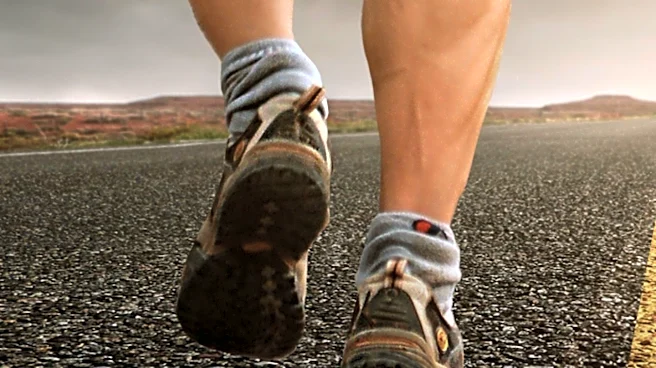
The psoas major, as part of the hip flexor group, is indispensable for maintaining mobility and stability. Its ability to flex the hip joint is critical for standing, allowing the body to remain upright. In dynamic movements like walking and running, it provides the necessary power to propel the legs forward. Without a properly functioning psoas major and the broader hip flexor group, these fundamental human movements would be severely compromised.
Beyond its direct role in hip flexion, the psoas major also contributes to the overall stability of the lumbar spine due to its attachments to the vertebrae. Its position and function make it a central muscle in connecting the upper and lower body, influencing posture and movement efficiency. Therefore, understanding the psoas major's role within the hip flexor system is key to appreciating its widespread impact on human biomechanics.