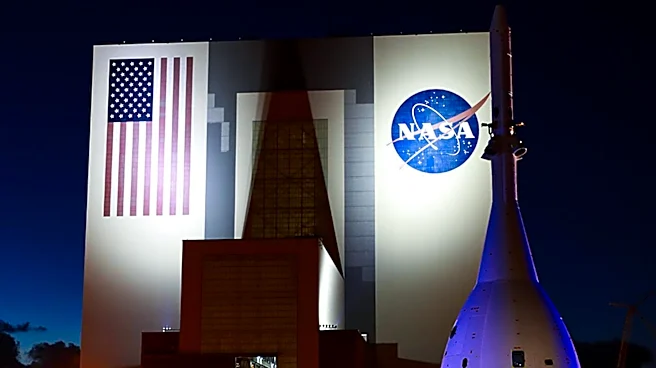






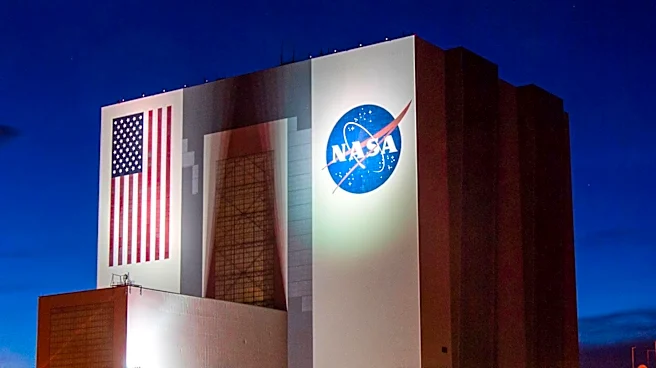
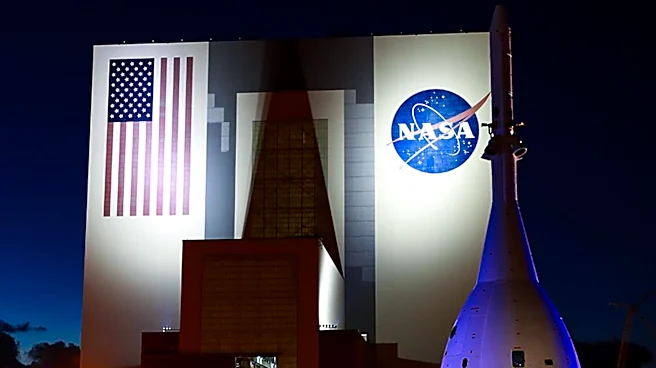
The Vehicle Assembly Building (VAB) at NASA's Kennedy Space Center is a cornerstone of American space exploration. Since its completion in 1966, the VAB has been integral to the assembly and preparation of space vehicles for launch. Its role in NASA's missions, from the Apollo program to the Space Shuttle and beyond, highlights its importance in the history of space exploration.
Assembly and Launch Preparation
The VAB was originally constructed to support the Apollo program, specifically
for the vertical assembly of the Saturn V rocket. This massive building allowed NASA to assemble large pre-manufactured space vehicle components and stack them vertically onto mobile launcher platforms. The VAB's design includes four high bays for stacking rocket stages, payloads, and other components vertically, which is crucial for launch preparation.
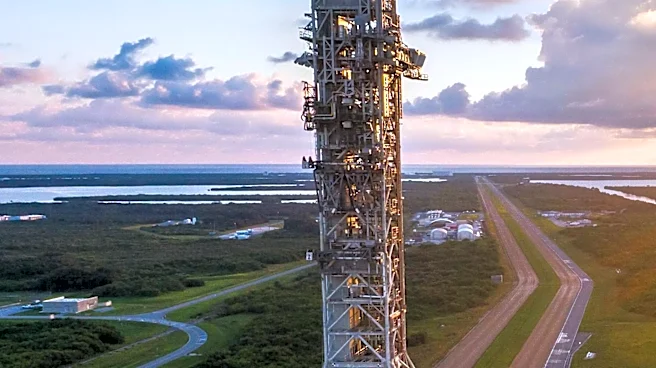
Once a space vehicle is assembled, it is transported to the launch pad using a crawler-transporter. This process involves lifting the mobile launch platform with the attached spacecraft and moving it to one of the launch pads at Complex 39. The VAB's capabilities, including its overhead cranes and lifting devices, ensure precise handling and assembly of heavy components, making it a vital part of the launch preparation process.
Evolution of Use
Over the years, the VAB has adapted to meet the needs of various NASA programs. After the Apollo program, it was used to mate Space Shuttle orbiters to their external fuel tanks and solid rocket boosters. The building's design allowed for future expansion, although only three bays were ever connected to the crawlerway. Bay 2, initially used during the Saturn V era, was later converted into a storage area for the Shuttle program.
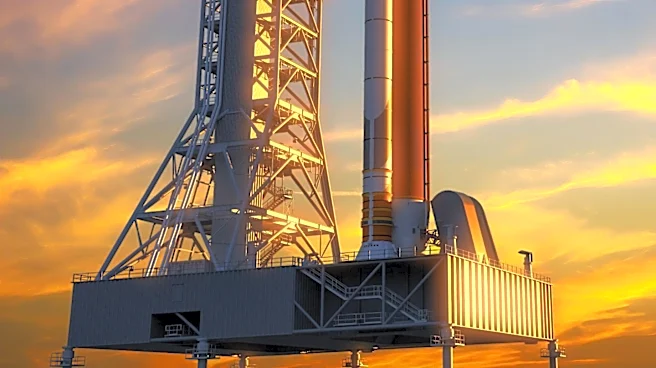
In recent years, the VAB has been used for assembling the Space Launch System rockets, continuing its legacy as a critical facility for NASA's space missions. Its ability to accommodate different types of space vehicles demonstrates its versatility and enduring significance in space exploration.
Historical Impact
The VAB's role in space exploration is not just operational; it is also symbolic. As one of the largest buildings in the world, it represents the scale and ambition of NASA's missions. It has been a backdrop for significant milestones in space history, including the first moon landing and the launch of the Space Shuttle.
Designated as a National Historic Civil Engineering Landmark, the VAB stands as a testament to human achievement in engineering and space exploration. Its continued use in NASA's missions underscores its importance as a facility that has shaped the course of space exploration history.