




Automatic emergency braking systems (AEBS) have become a crucial component in modern vehicle safety technology. These systems are designed to automatically apply the brakes to prevent or mitigate collisions, enhancing the safety of both drivers and pedestrians. This article delves into the historical development and technological advancements of AEBS, highlighting key milestones that have shaped its evolution.
Early Developments in Braking Technology
The concept of automatic braking systems
can be traced back to early attempts at improving vehicle safety. Initially, braking systems were purely mechanical, relying on friction to slow down or stop a vehicle. Over time, engineers sought to enhance these systems by incorporating hydraulic and pneumatic technologies, which allowed for more efficient and reliable braking.
In the mid-20th century, the introduction of anti-lock braking systems (ABS) marked a significant advancement in vehicle safety. ABS prevented wheels from locking up during braking, reducing the risk of skidding and improving control. This technology laid the groundwork for the development of more sophisticated braking systems, including AEBS.
The Rise of Automated Emergency Braking
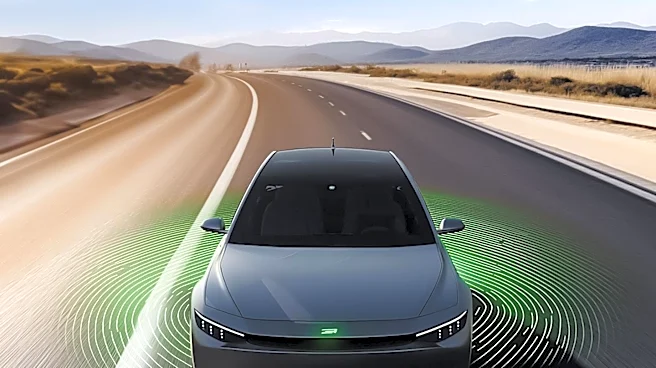
The late 20th and early 21st centuries saw significant progress in the development of automated emergency braking systems. These systems utilize sensors and cameras to detect potential collisions and automatically apply the brakes if the driver fails to respond in time. The integration of radar and lidar technologies further enhanced the accuracy and reliability of AEBS, allowing vehicles to detect obstacles and adjust braking force accordingly.
Manufacturers began incorporating AEBS into their vehicles as standard or optional features, recognizing the potential to reduce accidents and save lives. The widespread adoption of AEBS was driven by regulatory bodies and safety organizations, which encouraged automakers to prioritize vehicle safety through advanced technologies.
Impact and Future of AEBS
The implementation of AEBS has had a profound impact on road safety, significantly reducing the number of rear-end collisions and other accidents. Studies have shown that vehicles equipped with AEBS experience fewer crashes, leading to decreased injury rates and lower insurance costs for drivers.
Looking ahead, the future of AEBS is promising, with ongoing research and development focused on improving system capabilities. Advances in artificial intelligence and machine learning are expected to enhance the decision-making processes of AEBS, allowing for even more precise and effective braking interventions. As technology continues to evolve, AEBS will likely become an integral part of fully autonomous vehicles, further revolutionizing the automotive industry.
In conclusion, the evolution of automatic emergency braking systems reflects the automotive industry's commitment to enhancing vehicle safety. From early mechanical systems to sophisticated automated technologies, AEBS has transformed the way we approach road safety, offering a glimpse into a future where accidents are minimized, and lives are saved.