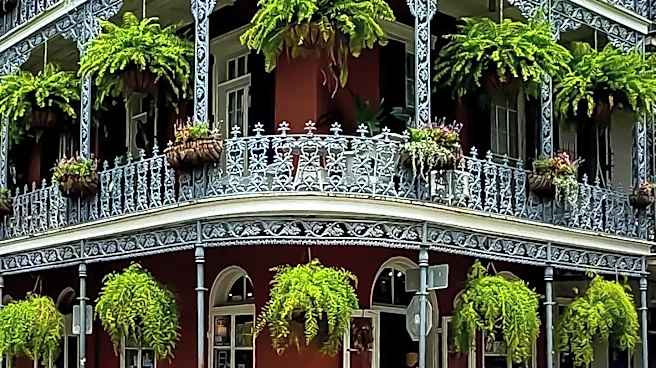









Louisiana's landscape is dotted with numerous historic homes and plantations that serve as vital museums, offering a tangible connection to the state's architectural styles and complex social history. These sites, ranging from grand antebellum mansions to more modest Creole cottages and slave quarters, provide invaluable insights into the lives of various inhabitants across different eras. They not only showcase period architecture and decorative
arts but also confront the challenging narratives of plantation life, including the experiences of enslaved people, making them crucial educational resources for understanding Louisiana's past.
Many of these historic homes are preserved as individual museums, each with its own story. The Kent Plantation House in Alexandria, for example, features French, Spanish, and American cultural influences, reflecting the diverse colonial heritage of the region. The Alexandre Mouton House in Lafayette is the 19th-century home of Louisiana's 9th governor, offering a glimpse into the life of a prominent political figure. These houses often provide guided tours with costumed interpreters, enhancing the visitor's experience and bringing history to life.
Plantation Homes and Their Complex Histories
Louisiana's plantation homes are particularly significant, representing a distinct architectural style and a deeply intertwined social history. Destrehan Plantation in St. Charles Parish is an antebellum plantation home where costumed interpreters depict historic crafts and daily life, including the lives of enslaved individuals. Laura Plantation in Vacherie features a 19th-century Creole-style big house and outbuildings, notably including six slave quarters, which are integral to understanding the full scope of plantation society. Similarly, Evergreen Plantation in Wallace also includes 22 slave quarters, offering a stark reminder of the institution of slavery.
Other notable plantation museums include Houmas House Plantation and Gardens in Darrow, a mid-19th century plantation house, and Nottoway Plantation in White Castle, an impressive 1859 mansion. Oak Alley Plantation in Vacherie is another iconic 19th-century sugar cane plantation. These sites, while often admired for their grandeur, increasingly focus on presenting a more complete and nuanced history, acknowledging the labor and lives of all who resided there. The inclusion of slave quarters and discussions of their historical context are crucial for a comprehensive understanding of these sites.
Open-Air Museums and Living History
Beyond individual structures, some sites function as open-air museums, recreating historical environments and offering living history experiences. The Longfellow-Evangeline State Historic Site in St. Martinville includes a reproduction 1800-period Acadian farmstead with outbuildings and the 1815 Maison Olivier plantation home, illustrating early Acadian life. Acadian Village in Lafayette also features an art gallery, doctor's museum, blacksmith shop, and several Acadian houses, providing a broader view of Acadian culture.
LSU Rural Life Museum in Baton Rouge includes 19th-century plantation buildings, examples of different Louisiana buildings, and a barn with tools, household items, and antique equipment, offering a comprehensive look at rural life. Frogmore Plantation in Ferriday is an 1,800-acre working cotton plantation with restored antebellum farm buildings, demonstrating agricultural practices. These open-air museums allow visitors to immerse themselves in historical settings, providing a dynamic and educational experience of Louisiana's past.