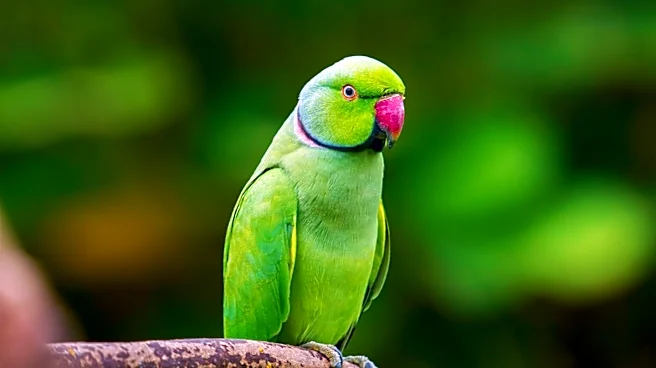








The rose-ringed parakeet, a medium-sized parrot, exhibits a range of fascinating behaviors related to its diet, reproduction, and social interactions. This species, known for its distinctive appearance and vocalizations, has adapted to various environments, showcasing particular strategies for foraging, breeding, and even interacting with other species, both in its native habitats and in introduced populations worldwide.
Foraging Habits and Dietary Adaptations
In the wild, rose-ringed parakeets
are primarily herbivorous, with a diverse diet that includes buds, nectar, fruit, vegetables, nuts, berries, seeds, and grains. They are also known to consume insects, adding a protein source to their diet. This varied diet allows them to thrive in different ecological settings, from tropical savannas to urban parks.
Wild flocks often travel several miles to forage in farmlands and orchards, a behavior that can lead to extensive damage to crops. In India, they feed on cereal grains and pigeon peas during the winter. In Egypt, their diet shifts seasonally, with mulberry consumption in spring and dates in summer, often nesting inside palm trees and feeding from sunflower and corn fields. Feral parakeets in areas near human habitation frequently visit gardens and bird feeders, demonstrating their adaptability to human-modified landscapes. In captivity, these parakeets accept a wide variety of foods, including fruits, vegetables, pellets, seeds, and even small amounts of cooked meat for protein, though certain substances like oils, salts, chocolate, alcohol, and preservatives must be avoided.
Reproductive Strategies and Parental Care
Rose-ringed parakeets exhibit specific reproductive behaviors, particularly in regions like northwestern India. Here, Indian rose-ringed parakeets form pairs between September and December. Interestingly, they do not form lifelong pair bonds and may breed with a different partner in subsequent breeding seasons. During the colder months, they actively select and defend nest sites, a strategy that helps them avoid competition with other bird species for suitable locations.
Feeding on winter pea crops during this period provides females with essential nutrients for egg production. The breeding cycle culminates with the care of their young from April to June, ensuring that fledglings are ready to leave the nest before the onset of the monsoon season. Studies in northwest India have linked seasonal changes in testicular activity and various hormone levels, such as plasma luteinizing hormone (LH), estradiol (E2), testosterone (T), and 5α-dihydrotestosterone (5α-DHT), to key reproductive behaviors like pair bond formation, nest building, nest defense, and parental care. This ability to reproduce in winter is crucial, as it minimizes competition for nesting places, allows them to avoid raising young during the monsoon, and leverages the availability of winter pea harvests for female nutrition.
Social Interactions and Interspecies Aggression
Rose-ringed parakeets are known to be noisy birds with an unmistakable squawking call. While their social interactions within their own species are complex, their behavior towards other animals, particularly in introduced environments, can be aggressive. In the María Luisa Park in Seville, Spain, a significant increase in the parakeet population led to a sharp decline in the greater noctule bat population. The parakeets attacked the bats at tree cavities, occupying most of the sites previously used by them, often resulting in the bats' death. This aggressive displacement caused an 81% decrease in occupied tree cavities by bats over 14 years, with bats actively avoiding areas near parakeets.
Similar aggressive encounters have been documented in other regions. In the Rhineland, bite wounds have been observed in bats caught near parakeet nesting cavities. Reports from Italy describe lethal attacks on Leisler's bats, while in Spain, black rats have been targeted. An attack by a ring-necked parakeet on an adult red squirrel was also reported in the Paris area of France. These instances highlight the potential for interspecies conflict, particularly when rose-ringed parakeets establish themselves in new ecosystems, demonstrating a competitive and sometimes aggressive nature near their nest sites.