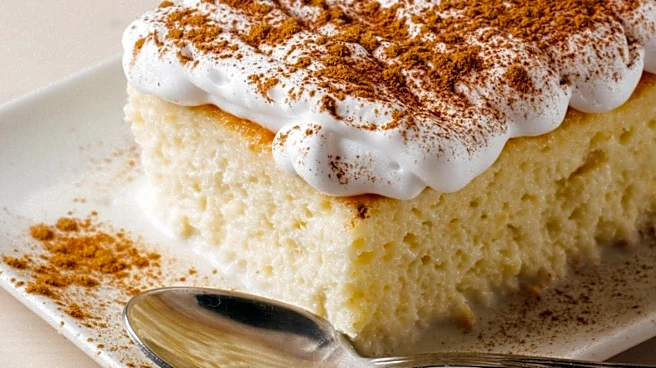






Tres leches cake, literally meaning "three-milk cake," is a beloved Latin American dessert known for its unique texture and rich flavor. This sponge cake is distinctively soaked in a mixture of three types of milk: evaporated milk, condensed milk, and whole milk. Despite being drenched in liquid, its light, airy, and spongy consistency, filled with many air bubbles, prevents it from becoming soggy. Often, this sweet treat is garnished with whipped
cream, fresh fruit, and a sprinkle of cinnamon, adding layers of flavor and visual appeal. Its popularity extends across Latin America, with variations even reaching Southeastern Europe.
The Distinctive Composition of Tres Leches
The core of a tres leches cake is its sponge cake base, which is specifically designed to absorb the milk mixture without losing its structural integrity. The numerous air bubbles within the cake are crucial to this absorption process, allowing the cake to become thoroughly infused with the milks while maintaining a pleasant, moist, rather than waterlogged, texture. The combination of evaporated milk, condensed milk, and whole milk creates a sweet, creamy, and deeply flavored liquid that permeates every bite of the cake. This unique soaking method is what truly defines the tres leches experience, setting it apart from other sponge cakes.Beyond the milk soak, the cake is typically adorned with toppings that complement its rich base. Whipped cream is a common choice, providing a light, airy contrast to the dense, milky cake. Fresh fruits can add a touch of tartness and color, while a dusting of cinnamon introduces a warm, aromatic spice that enhances the overall flavor profile. These elements contribute to the cake's appeal, making it a popular choice for celebrations and everyday enjoyment across various cultures.
Tracing the Contested Origins
The exact history of tres leches cake is a subject of debate, with several theories attempting to pinpoint its genesis. The tradition of "soaked" cakes, where baked goods are drenched in syrups or custards, has a long history in European countries, dating back to the Middle Ages in places like England, Italy, France, Portugal, and Spain. This European tradition is thought to have influenced the development of soaked cakes in Latin America, including tres leches.Specific historical events also played a role in the cake's potential development. For instance, by 1896, the U.S. Department of Commerce was exporting condensed milk to Nicaragua. The introduction of cattle, sugarcane plantations, and milk preservation techniques to Nicaragua, partly due to American military occupation, created an environment where such a dessert could emerge. Further, a 1936 trade agreement between President Franklin D. Roosevelt and Nicaragua facilitated the import of dairy products, including evaporated, powdered, and condensed milk, from Wisconsin. This increased availability, coupled with companies like Nestle posting tres leches recipes on their milk containers and a surge in canned milk sales during the Great Depression, suggests a strong link to Nicaragua's culinary history. However, Mexico is also frequently cited as a place of origin, with mentions of a similar dessert called torta de leche in Tabasco, Mexico, which involved sweetened scalded milk baked and served in its own sauce.
Global Spread and Regional Variations
While deeply rooted in Latin America, the popularity of tres leches cake has expanded significantly, reaching various parts of the world. It is particularly popular in Central America, North America, and many parts of the Caribbean. In the United States, the cake gained considerable traction in the 1980s, starting in Miami, largely due to Nicaraguan immigration. Its popularity spread across the U.S., with Los Ranchos restaurant in Miami playing a notable role by featuring it on its menu since 1981 and widely distributing its recipe on fliers. The cake's inclusion in the 1997 edition of *The Joy of Cooking* further cemented its place in American cuisine. More recently, its popularity has seen a resurgence since the 2020 pandemic, possibly due to its reliance on shelf-stable milk and pantry staples.Beyond the Americas, a distinct variation of tres leches, known as trileçe or trileçë, has become popular in Southeastern Europe, especially in Albania, Bosnia and Herzegovina, and Turkey. This European version often features a caramel topping, distinguishing it from many traditional Latin American preparations. Theories for its spread include the popularity of Mexican soap operas in Albania, leading local chefs to recreate the dessert, or its introduction by an Italian chef in Tirana after a visit to the Dominican Republic. The Albanian trileçe sometimes uses a literal three milks—cow, goat, and water buffalo—though a mixture of cow's milk and cream is more common, showcasing how this beloved three-milk cake has adapted and evolved across different cultures.