
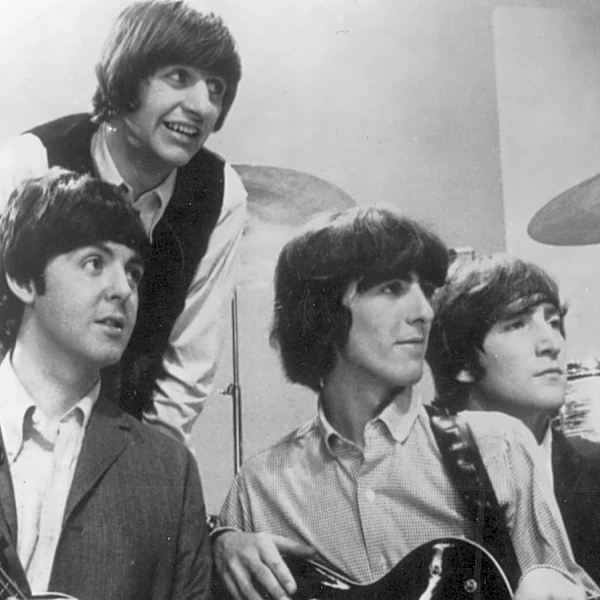



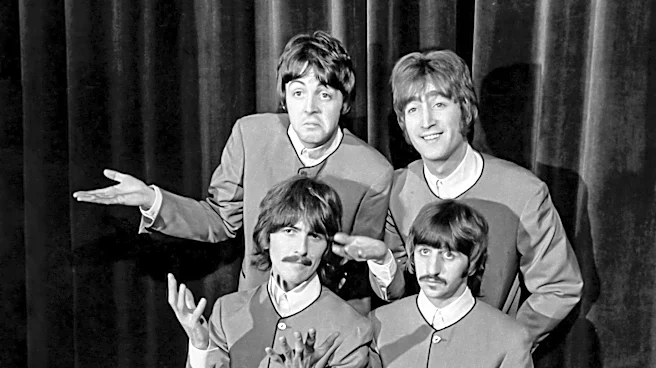
Beatlemania, the intense fanaticism surrounding the English rock band The Beatles, emerged in the United Kingdom in late 1963. This phenomenon, a portmanteau of "Beatle" and "mania," echoed the 19th-century "Lisztomania" that described the fervent reactions to pianist Franz Liszt. The term itself gained public traction after Scottish music promoter Andi Lothian claimed to have coined it during a Beatles tour in Scotland on October 7, 1963. It was
then published in the *Daily Mail* on October 21, with journalist Vincent Mulchrone's article titled "This Beatlemania," and further popularized by the *Daily Mirror* on November 2, solidifying its place in common usage.
The Beatles' popularity in their home country began to surge earlier in 1963, following their formative years in Hamburg from 1960 to 1962. Their second British single, "Please Please Me," quickly climbed to the top of the charts, marking their first significant commercial breakthrough. This success was followed by a relentless schedule of concerts and tours across the UK, where they were met by increasingly enthusiastic and fervent audiences. Their popularity soon eclipsed that of established American artists like Tommy Roe, Chris Montez, and Roy Orbison, an unprecedented achievement for a British group in a market often dominated by American records.
The Escalation of Hysteria in the UK
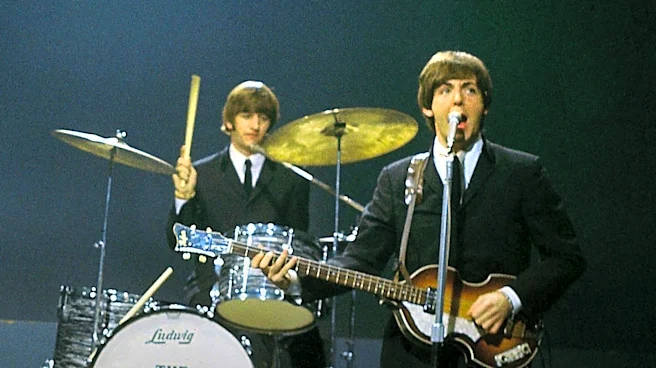
The full force of Beatlemania became evident in September and October 1963, catching even the band's manager, Brian Epstein, by surprise. Following "Please Please Me," their single "She Loves You" also hit number one, as did their album *Please Please Me*. Collective hysteria became a common sight at their concerts, characterized by screaming, fainting, crowd surges, and press rooms overwhelmed by both fans and journalists. The Beatles became front-page news across the country, uniting the nation in their cause.
This widespread phenomenon quickly transcended mere entertainment, becoming a significant media and even political talking point. British leaders, initially critical, soon realized that opposing the trend would be politically detrimental. Beatlemania spread rapidly, leading to a proliferation of merchandise and an overwhelming workload for Brian Epstein's staff. These events were even captured in the mockumentary film *A Hard Day's Night*, where the Beatles played fictionalized versions of themselves, grappling with the demands of their fame.
Beatlemania Crosses the Atlantic
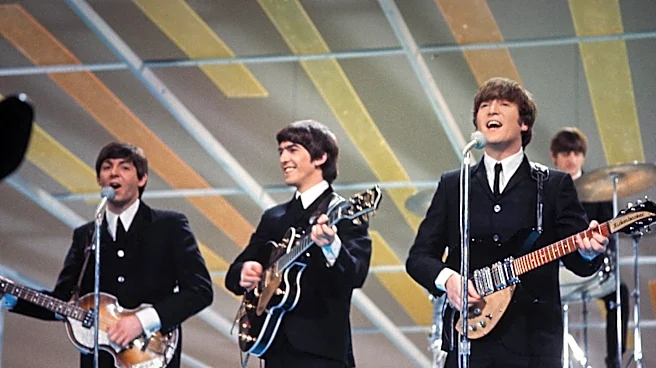
By early 1964, Beatlemania had expanded beyond Europe, reaching the United States with similar intensity during the band's first American visit. Their breakthrough across the Atlantic initiated a major shift in the American popular music landscape, paving the way for other British groups and marking the beginning of the "British Invasion." The Beatles' arrival in February 1964 saw their televised performances on *The Ed Sullivan Show* watched by an estimated 73 million people, solidifying their international stature.
Their world tours were defined by the same levels of hysteria and high-pitched screaming from female fans, both at concerts and during their travels between venues. Beatlemania surpassed any previous examples of fan worship in its intensity and scope. The August 1965 concert at New York's Shea Stadium was a landmark event, marking the first time a large outdoor stadium was used for such a purpose. With an audience of 55,000, it set records for attendance and revenue, generating $304,000. The collective scream at Shea Stadium was described by *The New York Times* as reaching a level representing "the classic Greek meaning of the word pandemonium – the region of all demons." The band members themselves were astonished by the spectacle, with John Lennon reportedly acting in a mock-crazed manner and Ringo Starr later remarking that Lennon "just got crazy" during the performance.