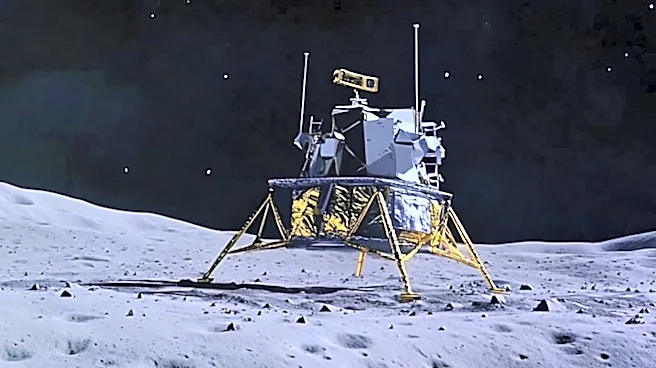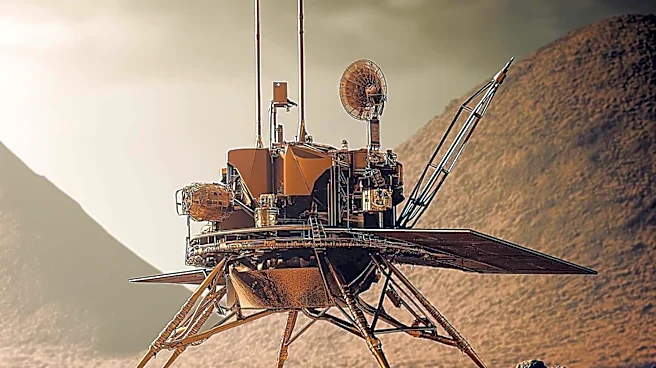





The Viking 1 mission marked a significant milestone in space exploration as the first successful Mars lander. Launched by NASA in 1975, Viking 1 was part of the Viking program, which aimed to explore the Martian surface and search for signs of life. The mission was groundbreaking, not only for its successful landing but also for the extensive data it provided about Mars. This article delves into the timeline and key milestones of the Viking 1 mission,
highlighting its contributions to our understanding of the Red Planet.
Launch and Journey to Mars
Viking 1 was launched on August 20, 1975, using a Titan/Centaur launch vehicle. The spacecraft embarked on an 11-month journey to Mars, during which the orbiter began returning global images of the planet. These images were crucial for selecting a safe landing site for the lander. Initially, the landing was planned for July 4, 1976, to coincide with the United States Bicentennial. However, imaging of the primary landing site revealed it was too rough for a safe landing, prompting a delay.
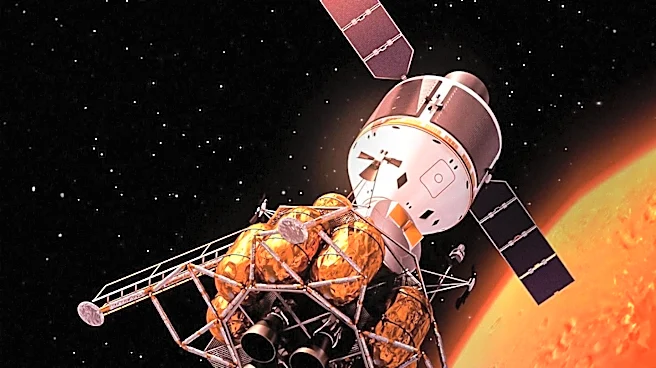
On June 19, 1976, the Viking 1 Orbiter was successfully inserted into Mars orbit. The orbiter's instruments included vidicon cameras for imaging, an infrared spectrometer for water vapor mapping, and infrared radiometers for thermal mapping. These tools allowed the orbiter to conduct extensive reconnaissance of Mars, providing valuable data for the mission.
The Historic Landing
The Viking 1 lander separated from the orbiter on July 20, 1976, and successfully landed at Chryse Planitia. This date was significant as it marked the seventh anniversary of the Apollo 11 Moon landing. The lander touched down at 11:53:06 UTC, becoming the first U.S. spacecraft to land on Mars. The landing process involved a series of maneuvers, including the deployment of parachutes and the firing of retrorockets to ensure a soft landing.
Upon landing, the Viking 1 lander began transmitting images of the Martian surface, with the first image sent back to Earth just 25 seconds after touchdown. The lander was equipped with various scientific instruments, including cameras, a gas chromatograph-mass spectrometer, and sensors for measuring pressure, temperature, and wind velocity.
Mission Achievements and Legacy
Viking 1 operated on Mars for over six years, until November 11, 1982. During its mission, the lander conducted experiments to search for signs of life, although the results were inconclusive. Despite this, Viking 1 provided a wealth of information about Mars, including data on its atmosphere and surface conditions.
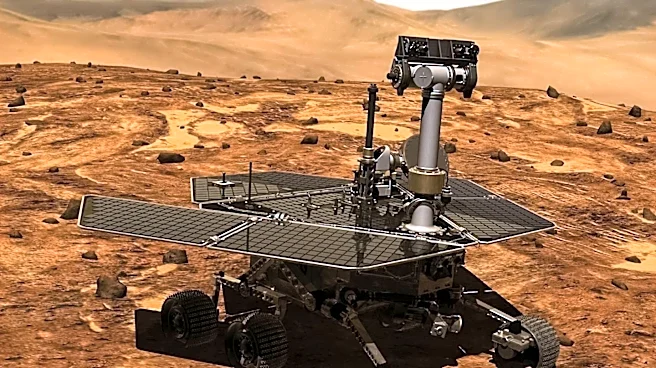
The Viking 1 mission set the stage for future Mars exploration, demonstrating the feasibility of landing and operating spacecraft on the Martian surface. Its success paved the way for subsequent missions, such as the Mars Pathfinder and the Mars Exploration Rovers. Today, Viking 1 is remembered as a pioneering mission that expanded our knowledge of Mars and inspired continued exploration of the Red Planet.