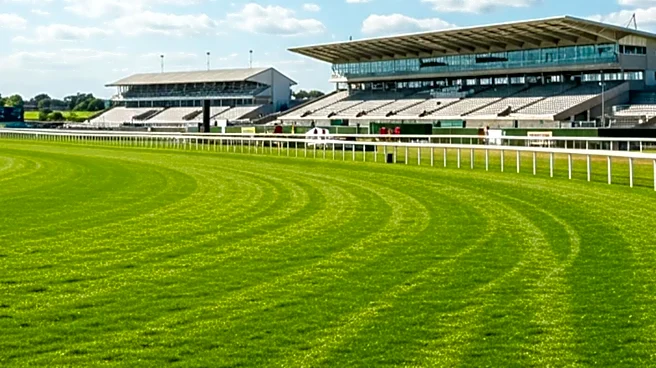





The Kyalami Grand Prix Circuit holds a significant place in motorsport history, particularly for its role in hosting the South African Grand Prix. While its days as a regular fixture on the Formula 1 calendar are in the past, its legacy continues to resonate. The circuit, located in Midrand, Gauteng, South Africa, has navigated political shifts, extensive redevelopments, and changing economic realities. Today, it faces the dual challenge of preserving
its heritage while adapting to the demands of modern urban development and environmental concerns, particularly noise restrictions.
A Symbol of South African Motorsport
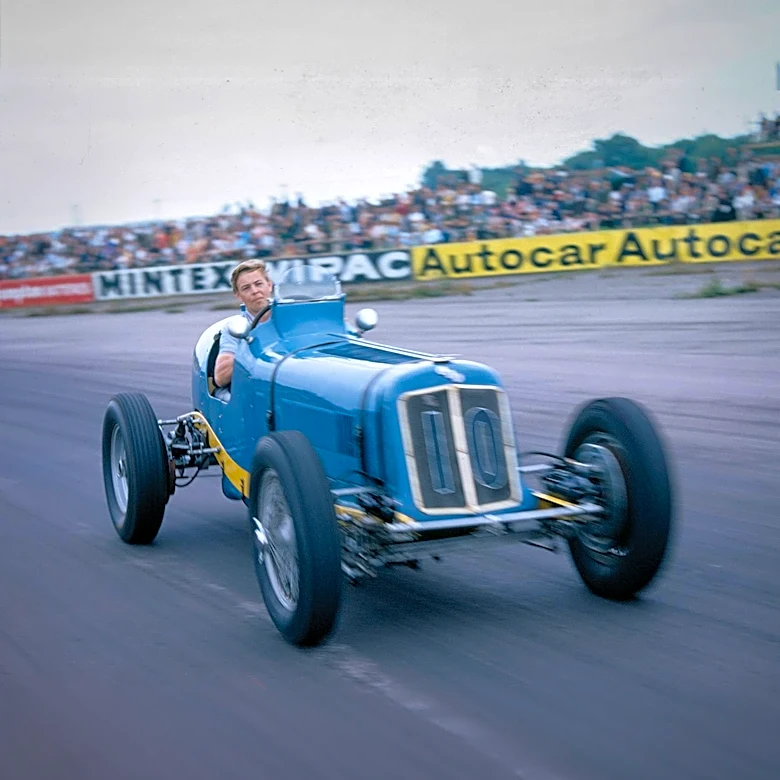
From 1967 to 1985, Kyalami was a consistent venue for the Formula 1 World Championship, making it a symbol of South African motorsport on the global stage. The circuit's original design, with its long straight and nine turns, was known for its high-speed character, attracting top drivers and teams. The name "Kyalami" itself, meaning "My Home" in IsiZulu, one of South Africa's official languages, reflects a deep connection to its local identity. This period cemented Kyalami's reputation as a challenging and exciting track, contributing to its enduring appeal among racing enthusiasts.
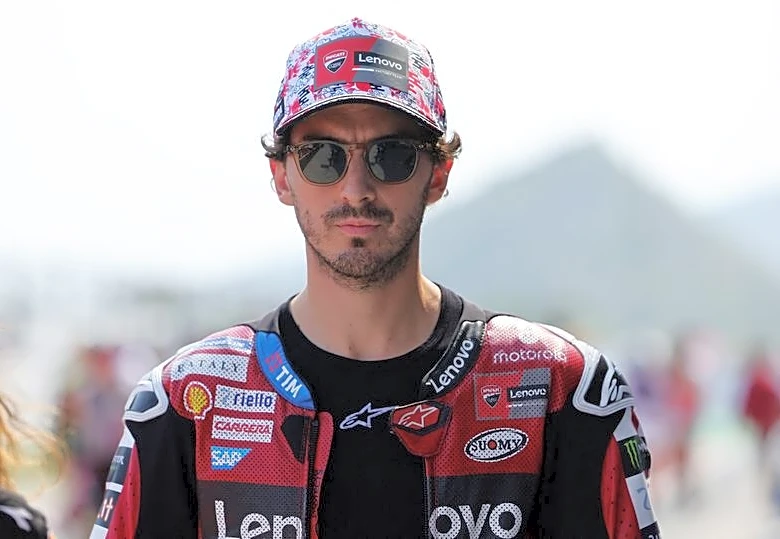
Beyond Formula 1, Kyalami also hosted the South African motorcycle Grand Prix four times between 1983 and 1992, further diversifying its international racing portfolio. The circuit's ability to attract and host such prestigious events underscored its importance as a premier motorsport facility in Africa. Even after political pressures led to the temporary cessation of Formula 1 races, the circuit's infrastructure and historical significance ensured its continued relevance, albeit with periods of inactivity and transformation.
Navigating Redevelopment and Noise Restrictions
The late 1980s brought a major redevelopment that drastically altered Kyalami's character. While necessary for commercial reasons, this rebuild transformed the high-speed layout into a narrower, more winding track. This change, along with a promoter's bankruptcy, contributed to Formula 1's brief return in 1992 and 1993 before its subsequent departure. These transformations highlight the constant pressure on circuits to adapt to evolving safety standards, commercial interests, and urban expansion.
In the modern era, Kyalami faces significant challenges, primarily due to its location within a residential area. Strict noise regulations have severely limited the number of races that can be held, leading to a decline in regular motorsport activity. This has resulted in parts of the circuit being repurposed, notably into the Kyalami Office Park, which now houses various businesses. This conversion reflects a broader trend where historic racing venues must find alternative uses to remain economically viable amidst changing urban landscapes. Despite these hurdles, the circuit has seen a resurgence of international events, such as the 9 Hours of Kyalami, part of the Intercontinental GT Challenge, which has been held since 2019. This demonstrates a continued effort to keep Kyalami relevant in the international motorsport scene, even as it balances its racing heritage with contemporary constraints.