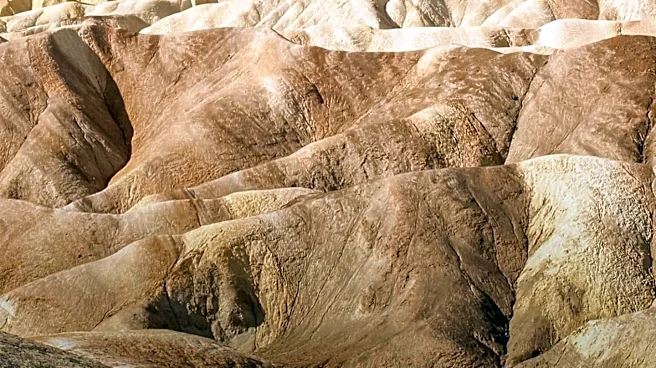








Death Valley, a desert valley in Eastern California, is not only a natural wonder but also a place of significant cultural and historical importance. From its early Native American inhabitants to its role in the California Gold Rush, Death Valley has a rich history that has shaped its identity. This article explores the cultural and historical impact of Death Valley, highlighting its significance in American history.
Early Inhabitants and Native American Heritage
Long before European settlers arrived,
Death Valley was home to the Timbisha tribe of Native Americans, formerly known as the Panamint Shoshone. The Timbisha have inhabited the valley for at least a millennium, adapting to its harsh environment and developing a deep connection to the land. Their name for Death Valley is Tümpisa, meaning "rock paint," a reference to the red ochre found in the valley.
The Timbisha's presence in Death Valley is a testament to their resilience and adaptability. They lived in harmony with the land, utilizing its resources for survival. Today, the Timbisha Shoshone continue to maintain their cultural heritage and connection to Death Valley, preserving their traditions and history for future generations.
The California Gold Rush and the Naming of Death Valley
Death Valley's name is rooted in the history of the California Gold Rush. In the winter of 1849-1850, a group of American pioneers, known as the Death Valley 49ers, attempted to cross the valley on their way to the gold fields of California. The group became lost and feared for their lives, leading to the valley's ominous name. Although only one member of the group perished, the experience left a lasting impression, and the name "Death Valley" was born.
The story of the Death Valley 49ers is a significant chapter in the history of the American West. It highlights the challenges and dangers faced by early settlers as they sought fortune and opportunity in the untamed wilderness. The valley's name serves as a reminder of the hardships endured by those who ventured into its harsh environment.
Modern Cultural Impact and Preservation
Today, Death Valley continues to hold cultural significance as a symbol of the American frontier. Its rugged landscape and extreme conditions have inspired countless stories, books, and films, capturing the imagination of people around the world. The valley's unique environment and history make it a popular destination for tourists and adventurers seeking to experience its natural beauty and historical significance.
Efforts to preserve Death Valley's cultural and natural heritage have led to the establishment of Death Valley National Park. The park protects the valley's unique landscape and provides opportunities for visitors to learn about its history and cultural significance. Through education and conservation, Death Valley's legacy continues to be celebrated and preserved for future generations.