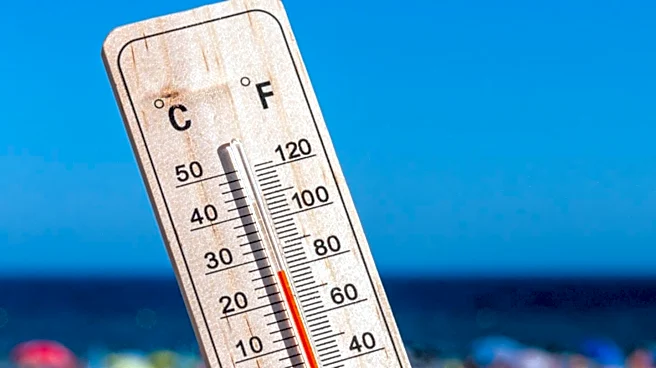









The 2024 heat waves in North America had a significant impact on human health, with thousands of people affected by the extreme temperatures. The heat waves, which began in March and continued through September, resulted in a high number of heat-related illnesses and deaths across the region. This period highlighted the critical need for public health preparedness and response strategies to mitigate the effects of extreme heat.
Mortality and Heat-Related Illnesses
The heat waves of 2024
were deadly, with over 2,000 deaths reported across the United States and Mexico. In the United States alone, more than 1,000 people lost their lives due to the extreme heat. The high temperatures overwhelmed many individuals, particularly those in vulnerable populations such as the elderly, young children, and those with pre-existing health conditions.
In Mexico, the heat waves claimed over 155 lives, with thousands more suffering from heat-related ailments. The high temperatures led to an increase in cases of heat exhaustion and heat stroke, as people struggled to cope with the relentless heat. The situation underscored the importance of public health interventions, such as cooling centers and public awareness campaigns, to protect at-risk populations.
Public Health Response and Challenges
The 2024 heat waves posed significant challenges for public health systems across North America. In response to the rising temperatures, authorities implemented various measures to protect public health. These included issuing heat advisories, opening cooling centers, and providing guidance on how to stay safe during extreme heat.
Despite these efforts, the scale and intensity of the heat waves overwhelmed many public health systems. The high number of heat-related illnesses and deaths highlighted gaps in preparedness and response, particularly in areas with limited resources. The events of 2024 emphasized the need for improved planning and coordination to address the health impacts of extreme weather.
Lessons for Future Preparedness
The 2024 heat waves provided valuable lessons for future public health preparedness. One key takeaway was the importance of early warning systems and public education to raise awareness about the risks of extreme heat. By providing timely information and guidance, authorities can help individuals take proactive measures to protect themselves and their families.
Additionally, the heat waves highlighted the need for targeted interventions to support vulnerable populations. This includes ensuring access to cooling centers, providing assistance with transportation, and offering resources for those with limited means to cope with the heat. By prioritizing these efforts, public health systems can better protect communities from the impacts of extreme weather events.
As climate change continues to influence weather patterns, the experiences of 2024 will be crucial in shaping future public health strategies. By learning from the challenges and successes of this period, North America can enhance its resilience to extreme heat and safeguard the health of its populations.