



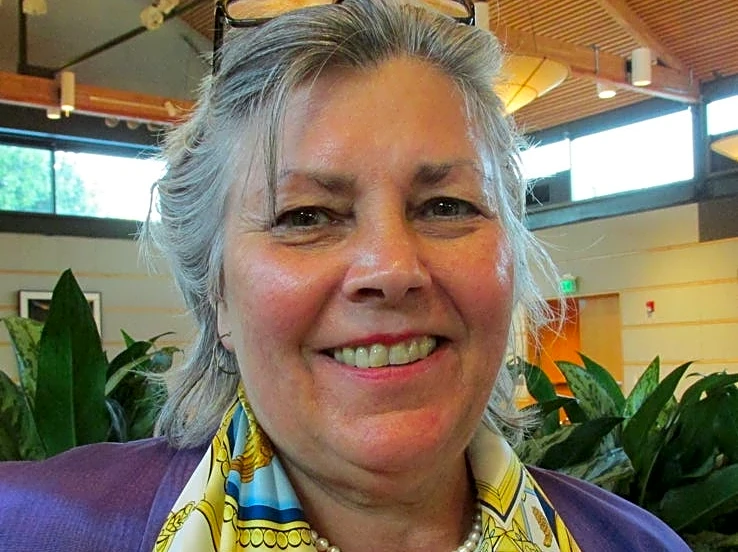

Eugenie Anderson, born Helen Eugenie Moore on May 26, 1909, in Adair, Iowa, carved out a remarkable career as a United States diplomat, most notably becoming the first woman appointed chief of mission at the ambassador level in U.S. history. Her journey from aspiring concert pianist to a trailblazing figure in international relations demonstrates a profound commitment to public service and a keen understanding of global affairs. Anderson's career spanned
critical periods of the Cold War, allowing her to shape U.S. foreign policy and represent American interests on the world stage, breaking gender barriers along the way.
Her early life saw her pursue music, attending the Juilliard School in New York with hopes of becoming a concert pianist. However, a pivotal trip to Europe in 1937, where she witnessed a totalitarian state in action in Germany, ignited her interest in international affairs. This experience profoundly shifted her focus, leading her to become an active voice for the League of Women Voters, advocating against the isolationist policies prevalent at the time. This early engagement laid the groundwork for her future in politics and diplomacy.
Breaking Barriers in Denmark
Anderson's diplomatic career officially began in 1949 when President Harry S. Truman appointed her as the U.S. Ambassador to Denmark. This appointment was historic, making her the first woman to hold an ambassador-level chief of mission position in U.S. history. While Ruth Bryan Owen had served as a chief of mission at the minister rank in 1933, Anderson's role marked a new level of representation for women in American diplomacy. Her tenure in Denmark, from December 22, 1949, to January 19, 1953, was characterized by her innovative approach to diplomacy and her ability to connect with the Danish people.
Despite facing "undercurrents of sexism and discomfort in the press with her career flaunting gender roles," Anderson quickly became a popular figure in Denmark, earning the affectionate nickname "Auntie Anderson" from the media. She was a strong advocate for "people's diplomacy," or public diplomacy, believing in direct engagement with the populace. A notable example of this was her decision to invite the workers who furnished her official residence and their families to a house-warming party immediately after presenting her credentials to King Frederik. Furthermore, Anderson made an effort to learn and speak publicly in Danish, a practice that was unusual for diplomats at the time, as such language skills were not considered necessary.
Her popularity and high profile allowed her to wield significant political influence. During her time in Denmark, she successfully convinced the country to strengthen its commitment to NATO and worked to reinforce the Greenland Treaty. In 1950, she achieved another milestone by becoming the first American woman to sign a treaty, specifically the Treaty of Commerce and Friendship with Denmark, which she personally drafted. Upon her resignation in 1953, King Frederik IX recognized her exceptional service by awarding her the Grand Cross of the Order of Dannebrog, a high honor.
Diplomacy in the Cold War Era
After her impactful service in Denmark, Anderson continued her diplomatic career, taking on another challenging role during the Cold War. In 1962, President John F. Kennedy appointed her as the U.S. Ambassador to Bulgaria, a position she held until December 6, 1964. This appointment was significant as it made her the first American woman to represent the United States in a country allied with the Soviet Union, placing her at a crucial geopolitical crossroads.
Her time in Bulgaria was marked by further groundbreaking achievements. She became the first American diplomat to speak on Bulgarian television and radio, utilizing these platforms to foster understanding and communication. A key accomplishment during her ambassadorship was negotiating the settlement of outstanding Bulgarian debts to the U.S. stemming from World War II. These efforts demonstrated her skill in navigating complex international financial and political issues in a sensitive Cold War environment.
Post-Ambassadorial Contributions to Global Affairs
Even after her ambassadorships, Eugenie Anderson remained deeply involved in international relations. Following her retirement from these posts, President Lyndon B. Johnson appointed her as a member of the U.S. delegation to the United Nations. In this capacity, she served on both the Trusteeship Council and, notably, the Security Council, becoming the first woman to sit on the UN's Security Council. This role further solidified her legacy as a pioneer for women in high-level international positions.
A year later, in 1966, Anderson continued her work at the United Nations, serving on the Committee for Decolonization. This committee played a vital role in supporting newly independent countries in Africa and Asia, reflecting her ongoing commitment to global development and self-determination. In 1968, she briefly served as Special Assistant to the Secretary, further contributing her expertise to the U.S. State Department. Eugenie Anderson's career was a testament to her dedication, intelligence, and unwavering resolve to serve her country and advance the cause of international cooperation.