


In 1962, a new chapter in television comedy began with the debut of "The Lucy Show," marking Lucille Ball's return to weekly television after a significant period of personal and professional transition. This series emerged in the wake of her 1960 divorce from Desi Arnaz and the conclusion of "The Lucy–Desi Comedy Hour." Ball initially resisted a return to the demanding schedule of weekly television, convinced that she could not surpass the monumental
success of her previous hit, "I Love Lucy." However, her eventual decision to embark on this new venture would lead to another highly successful run, culminating in multiple Emmy Awards.
Overcoming Initial Hesitations and Personal Challenges
Lucille Ball's journey back to the small screen was not without its hurdles. Following her divorce, she moved to New York to try her hand at Broadway in a musical called "Wildcat." This theatrical endeavor proved unsuccessful, plagued by Ball's illness and fatigue. In early 1961, the show closed prematurely when she collapsed on stage from sheer exhaustion. Later that same year, Ball remarried, tying the knot with comedian Gary Morton, signaling a new personal phase.
Despite her reluctance to commit to weekly television, Ball made a return to the medium in the spring of 1962, appearing alongside Henry Fonda in a CBS TV special titled "The Good Years." This special may have served as a bridge, easing her back into the television landscape. Her initial apprehension about a full-time series was a testament to the high bar set by "I Love Lucy," a show that had become a cultural phenomenon.
The Naming and Early Production of a New Series
The development of Ball's new series involved several considerations, including its title. The earliest scripts for the show were initially titled "The Lucille Ball Show." However, this title was ultimately rejected by CBS. Producers then explored other options, such as "This Is Lucy" or "The New Adventures of Lucy," before finally settling on the straightforward and memorable title, "The Lucy Show." This decision set the stage for the series that would run for six seasons.
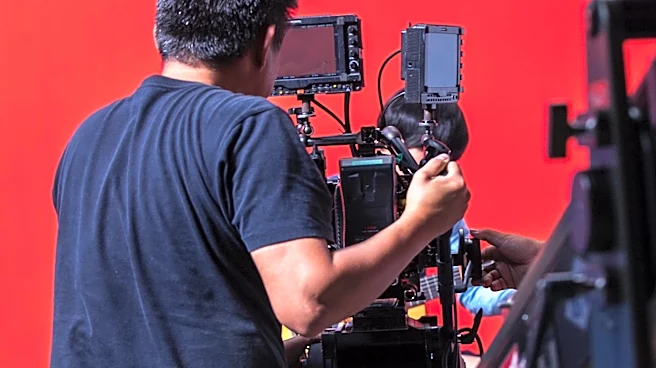
"The Lucy Show" was filmed before a live audience, a practice that Lucille Ball preferred and believed enhanced her performance. This approach, which was also characteristic of "I Love Lucy" and most "Lucy–Desi Comedy Hour" installments, involved using three cameras to capture the action. While Ball was known to ad-lib during rehearsals, she adhered strictly to the script during actual filming. This commitment to a live format, combined with her comedic talent, contributed to the show's authentic and engaging feel.
Critical Acclaim and Lasting Legacy
The series proved to be a significant success, both with audiences and critics. Lucille Ball's performance as Lucy Carmichael earned her consecutive Emmy Awards for Outstanding Lead Actress in a Comedy Series during the show's final two seasons, 1966–67 and 1967–68. These accolades underscored her enduring appeal and comedic prowess, solidifying her status as a television icon. The show's popularity was further evidenced by its high Nielsen ratings, ranking at number two at the end of its sixth season.
After six successful seasons, Ball decided to conclude "The Lucy Show" in 1968, feeling that there were enough episodes for syndication. Her decision to end the series was also influenced by her desire to continue on television with her children, Lucie Arnaz and Desi Arnaz Jr., leading to the creation of an entirely new series, "Here's Lucy," which debuted in the fall of 1968. This transition demonstrated Ball's continuous evolution in television, always seeking new creative avenues while maintaining her connection with her audience.