









The National Highway Traffic Safety Administration (NHTSA) plays a crucial role in ensuring the safety of vehicles on U.S. roads. Established in 1970, this federal agency is part of the Department of Transportation and is tasked with setting and enforcing safety standards for motor vehicles. This article delves into how the NHTSA develops these standards and the impact they have on vehicle safety.
Establishing Safety Standards
The NHTSA is responsible for creating Federal Motor
Vehicle Safety Standards (FMVSS), which are regulations that manufacturers must adhere to when designing and producing vehicles. These standards cover a wide range of safety aspects, including crashworthiness, crash avoidance, and post-crash survivability. The first of these standards, FMVSS 209, came into effect in 1967, setting the stage for future regulations.
The process of establishing these standards involves extensive research and testing. The NHTSA develops anthropomorphic test dummies and testing protocols to simulate real-world crash scenarios. This research helps identify potential safety issues and informs the creation of new standards or the revision of existing ones. By continuously updating these standards, the NHTSA ensures that vehicles incorporate the latest safety technologies and practices.
Enforcing Compliance
Once safety standards are established, the NHTSA is tasked with ensuring compliance among vehicle manufacturers. This involves granting licenses to manufacturers and importers, as well as regulating the import of vehicles and vehicle parts. The agency has the authority to block the import of non-compliant vehicles, ensuring that only those meeting U.S. safety standards are allowed on the roads.
In addition to regulating imports, the NHTSA administers the Vehicle Identification Number (VIN) system, which helps track vehicles and ensure they meet safety standards. The agency also conducts audits and investigations to identify safety defects and enforce recalls when necessary. This enforcement mechanism is vital in maintaining the integrity of vehicle safety standards and protecting consumers.
Impact on Vehicle Safety
The NHTSA's efforts in setting and enforcing safety standards have had a significant impact on vehicle safety in the U.S. Over the years, the agency has introduced numerous safety features, such as airbags, anti-lock brakes, and electronic stability control, which have become standard in modern vehicles. These advancements have contributed to a decline in motor vehicle-related fatalities and injuries.
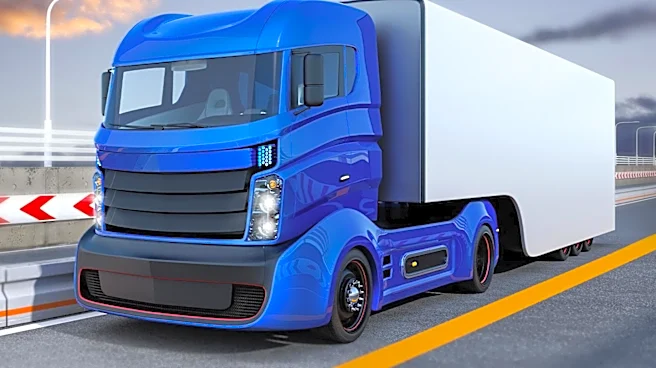
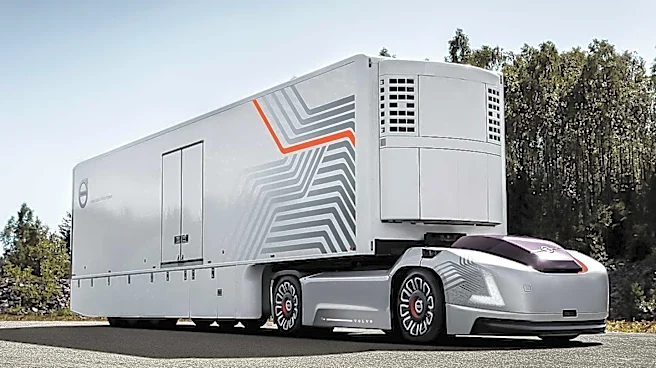
Despite these successes, the NHTSA faces challenges in keeping up with emerging technologies and addressing new safety concerns. The agency must continuously adapt its standards to accommodate innovations such as autonomous vehicles and advanced driver-assistance systems. By doing so, the NHTSA ensures that vehicle safety standards remain relevant and effective in reducing road traffic accidents and saving lives.