






John Bolton's appointment as the United States Ambassador to the United Nations in 2005 marked a period of significant controversy and debate. Known for his outspoken views and skepticism regarding the UN's efficacy, his nomination by President George W. Bush faced considerable opposition, particularly from Democrats. His tenure was characterized by a determined effort to push for reforms within the international body, often clashing with established
norms and expectations.
Nomination and Senate Opposition
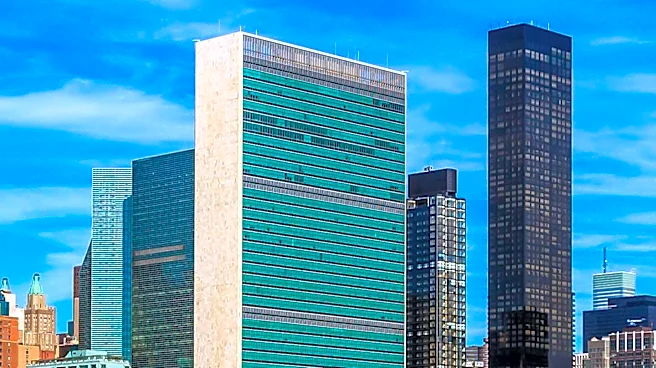
On March 7, 2005, President George W. Bush nominated John Bolton to the post of United States Ambassador to the UN. This nomination immediately drew attention due to Bolton's previously stated opinions, such as his assertion that "there is no such thing as the United Nations" and that if the UN headquarters lost ten stories, "it wouldn't make a bit of difference." These remarks shocked several officials from UN Security Council member states, who viewed them as indicative of an antipathy toward the organization he was nominated to represent.
Bolton's nomination received strong support from Republicans but encountered heavy opposition from Democrats. Concerns primarily revolved around his strongly expressed views on the United Nations and allegations of pressuring the intelligence community. The Senate Foreign Relations Committee, which held a 10-8 Republican majority, initially hoped to send his nomination to the full Senate with a positive recommendation. However, concerns among some Republicans on the committee led them to send the nomination forward with no recommendation instead, to avoid losing such a motion. In the full Senate, Republican support for the nomination remained uncertain, with Ohio Senator George V. Voinovich actively urging his Republican colleagues to oppose it.
The Filibuster and Recess Appointment
Democrats insisted that a vote on Bolton's nomination was premature, citing the White House's resistance to share classified documents related to Bolton's alleged actions. On May 26, 2005, Senate Democrats successfully postponed the vote, with the Republican leadership failing to gain enough support to pass a cloture motion on the floor debate. Minority leader Harry Reid characterized this as the "first filibuster of the year." White House press secretary Scott McClellan expressed disappointment, stating that it was disheartening to see the Democratic leadership resort to such a partisan approach so soon after an agreement on judicial nominees.
Despite the initial failure to end debate, Senate Majority Leader Bill Frist (R-Tennessee) voted against cloture for procedural reasons, allowing him to bring up a cloture vote in the future. Senator John Thune (R-South Dakota) voted to end debate but announced he would vote against Bolton in the final vote as a protest against government plans to close a military base in his home state. On June 20, 2005, another cloture vote failed 54-38, six votes short of ending debate, marking an increase of two "no" votes, including a defection from Senator Voinovich. Following a lunch at the White House, Frist changed his position and continued to push for an up-or-down vote. Ultimately, on August 1, 2005, President Bush bypassed the Senate confirmation process by making a recess appointment, installing Bolton as Permanent U.S. Representative to the UN. This move was criticized by Democrats, with Senator Christopher Dodd (D-CT) stating that Bolton would lack credibility at the UN without Senate confirmation. UN Secretary-General Kofi Annan welcomed Bolton but advised him to consult with others as the administration pressed for changes at the United Nations.
Term and Departure from the UN
During his term, The Economist described Bolton as "the most controversial ambassador ever sent by America to the United Nations." While some UN colleagues appreciated his goals, they often found his abrasive style problematic. The New York Times, however, praised Bolton's stance on reforming the UN Human Rights Commission, calling it "disgraceful" and composed of "some of the world's most abusive regimes." Bolton also opposed the proposed replacement, the UN Human Rights Council, arguing it did not go far enough in reform, famously stating, "We want a butterfly. We don't intend to put lipstick on a caterpillar and call it a success."
Bush announced his intention to renominate Bolton for confirmation at the beginning of 2006, and a new confirmation hearing was held on July 27, 2006. Senator Voinovich, who had previously opposed Bolton, had amended his views, stating in February 2006 that Bolton was doing a "good job" and working constructively. However, no action was taken on the nomination over the summer and during the fall election campaign because Senator Lincoln Chafee, facing a difficult re-election, blocked a Senate Foreign Relations Committee vote. Without his concurrence, the committee would have been deadlocked 9-9, preventing the nomination from reaching the Senate floor. Bush formally resubmitted the nomination on November 9, 2006, immediately after a midterm election that shifted control of the 110th Congress to the Democratic party. Chafee, having lost his re-election bid, then issued a statement opposing Bolton's recommendation, citing the election results as a mandate for a new foreign policy direction. On December 4, 2006, Bolton announced he would terminate his work as U.S. representative to the UN at the end of his recess appointment and would not continue to seek confirmation. His resignation was accepted by President Bush, effective December 9, at the formal adjournment of the 109th Congress.