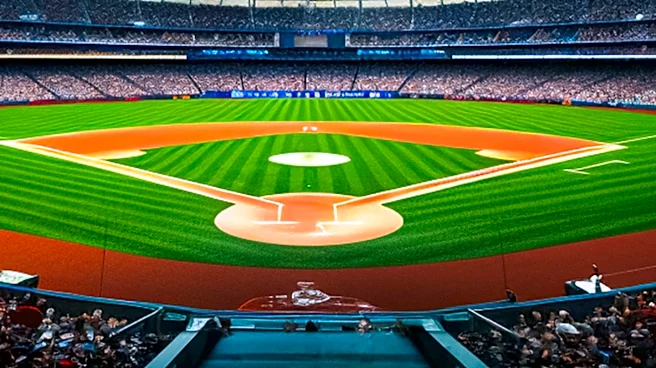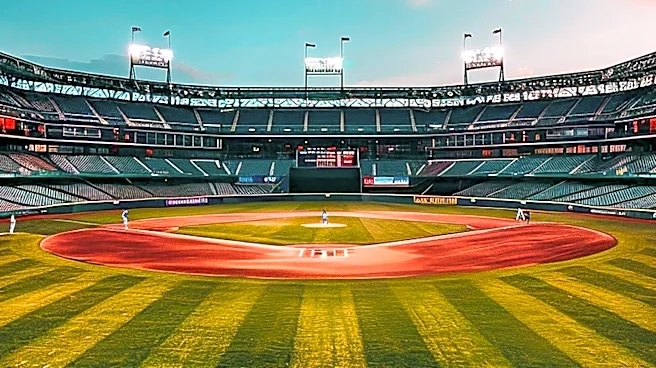



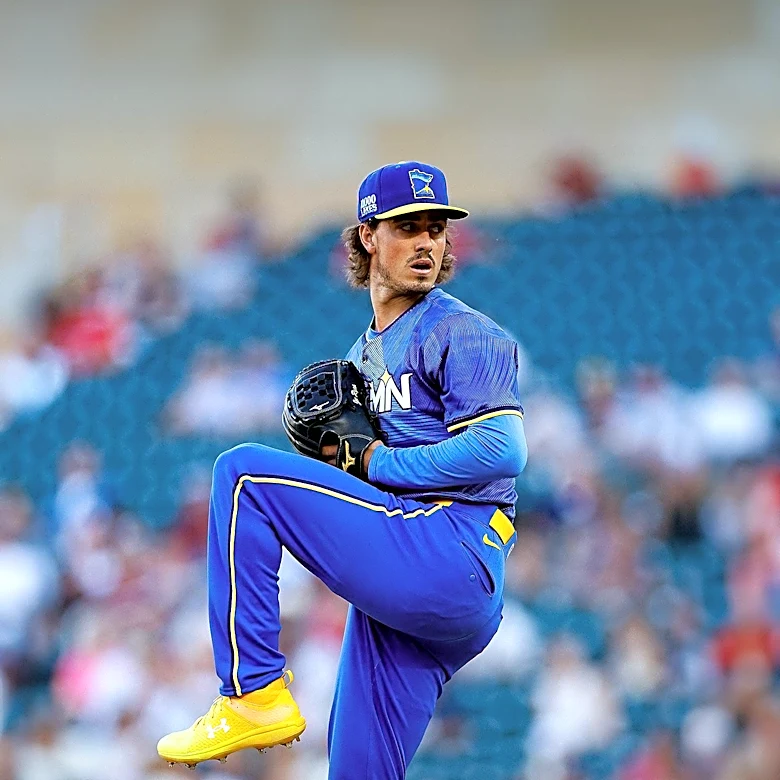
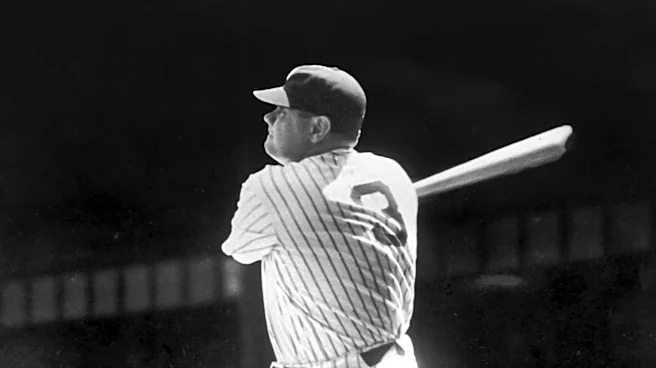
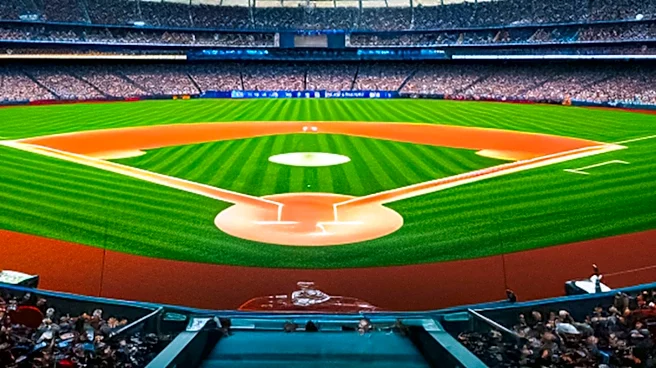


The 1946 Major League Baseball All-Star Game marked a significant moment in sports history as it was the first All-Star Game held after World War II. Taking place on July 9 at Fenway Park in Boston, this event was more than just a game; it was a celebration of peace and a return to normalcy. The American League triumphed over the National League with a decisive 12-0 victory, but the game’s importance extended beyond the score.
A Return to Normalcy
The 1946 All-Star Game
was a symbol of the return to normal life after the disruptions caused by World War II. Many notable players who had served in the military during the war returned to the field, bringing back the familiar faces that fans had missed. Stars like Joe DiMaggio, Stan Musial, and Ted Williams were back in action, providing a sense of continuity and excitement for baseball enthusiasts.
The game itself was a showcase of talent and a reminder of the joy that baseball brought to the American public. Fenway Park, home of the Boston Red Sox, was the perfect venue for this historic event, offering a sense of tradition and nostalgia. The American League's victory was celebrated by fans who were eager to see their favorite players back in action.
The Impact of Returning Players
The return of players from military service had a profound impact on the 1946 baseball season. These athletes brought with them not only their skills but also the experiences and maturity gained during their time in the service. Their presence on the field was a testament to their resilience and dedication to the sport.
Players like Ted Williams, who had served as a pilot in the Marine Corps, returned to the game with renewed vigor. Williams, known for his exceptional hitting ability, continued to be a dominant force in the league. His performance in the 1946 season, including leading the league in OPS and runs, demonstrated his unwavering talent and commitment to the game.
A New Era Begins
The 1946 season also marked the beginning of a new era in baseball with the breaking of the minor-league color line. Jackie Robinson's signing by the Brooklyn Dodgers' general manager Branch Rickey was a groundbreaking moment in sports history. Although Robinson played for the Montreal Royals in 1946, his presence signaled the start of integration in baseball.
This period was a time of change and progress, both on and off the field. The All-Star Game, with its blend of returning heroes and emerging stars, encapsulated the spirit of renewal and hope that defined the post-war era. As fans filled the stands at Fenway Park, they witnessed not just a game, but a celebration of baseball's enduring legacy and its role in American culture.