





Dallas Love Field, a prominent airport in the United States, boasts a rich history that spans over a century, deeply intertwined with the evolution of aviation itself. Named in honor of Moss L. Love, a U.S. Army aviator who tragically died in an airplane crash in 1913, the field was officially designated by the United States Army on October 19, 1917. From its origins as a military training base during World War I to its current status as a major commercial
airport and the corporate headquarters of Southwest Airlines, Love Field has played a significant role in both military and civilian aviation, reflecting broader trends in air travel and regional development.
The Formative Years: World War I and Military Service
Love Field's initial purpose was rooted in military necessity, specifically during World War I. The United States Army established it as a training base for the U.S. Army Air Service. This period saw several aero squadrons stationed at Love Field, contributing to the war effort by preparing pilots for combat. For instance, the 111th Aero Squadron was based there from November 1917, later redesignated as Squadron "A" between July and November 1918. Similarly, the 121st Aero Squadron (II) arrived in April 1918, becoming Squadron "B" during the same July-November 1918 period.Other units included the 136th Aero Squadron (II), which was present from November 1917 and later known as Squadron "C," and the 197th Aero Squadron, also established in November 1917. These squadrons were integral to the training operations conducted at Love Field, highlighting its importance as a strategic military asset during the Great War. The presence of these units underscores the airport's foundational role in early American military aviation, shaping its initial infrastructure and operational character.
Post-War Development and Commercial Ascendancy
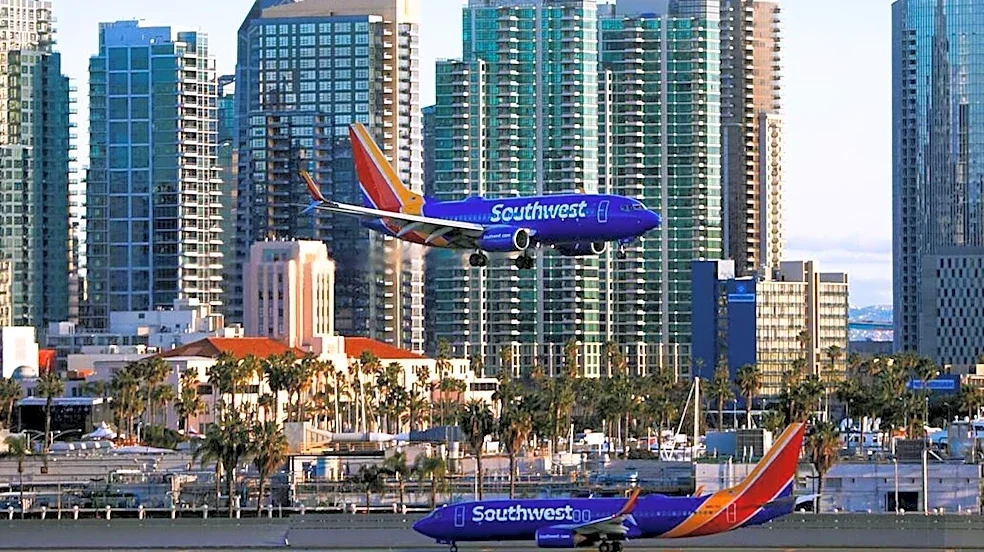
Following its military service, Dallas Love Field transitioned into a vital hub for commercial aviation. This shift marked a new era for the airport, as it began to serve the growing needs of civilian air travel. The airport's strategic location in Dallas contributed to its rise as a significant regional air transport center. This period saw the gradual expansion of facilities and services to accommodate an increasing number of passengers and flights, laying the groundwork for its future prominence.One of the most significant developments in Love Field's history is its connection to Southwest Airlines. The airport is not only the birthplace of Southwest Airlines but also serves as its corporate headquarters and a major operating base. This long-standing relationship has profoundly shaped the airport's identity and operational landscape. As of August 2021, Southwest Airlines commanded an impressive 95% market share at Love Field, illustrating its dominant presence and the airline's deep roots at the facility.
Modern Operations and General Aviation Services
Today, Dallas Love Field continues to be a bustling airport, serving millions of passengers annually. While Southwest Airlines remains its primary commercial operator, the airport also caters to a diverse range of aviation needs. Several full-service fixed-base operators (FBOs) are present on the airport grounds, providing essential general aviation services. These services include fuel, maintenance, hangar rentals, and air charters, supporting private and corporate aircraft operations.Furthermore, the City of Dallas Department of Aviation headquarters is located on the airport grounds, overseeing the management and development of Love Field. This administrative presence ensures the efficient operation and continued growth of the airport, reflecting its ongoing importance to the city and the broader aviation industry. From its humble beginnings as a military training camp to its current status as a modern commercial and general aviation hub, Dallas Love Field's history is a testament to its enduring legacy in American aviation.