
Gerald Ford's presidency, which began on August 9, 1974, was marked by an extraordinary circumstance: he was the only individual to serve as President of the United States without having been elected to either
the presidency or the vice presidency. His ascent to the nation's highest office followed the unprecedented resignation of President Richard Nixon, a direct consequence of the Watergate scandal. This unique path meant Ford lacked a popular mandate, a factor that profoundly influenced his administration from its very inception. He inherited a nation deeply divided and disillusioned, facing significant domestic and international challenges, all while needing to establish his own legitimacy and leadership.
Assuming the Presidency Amidst Crisis
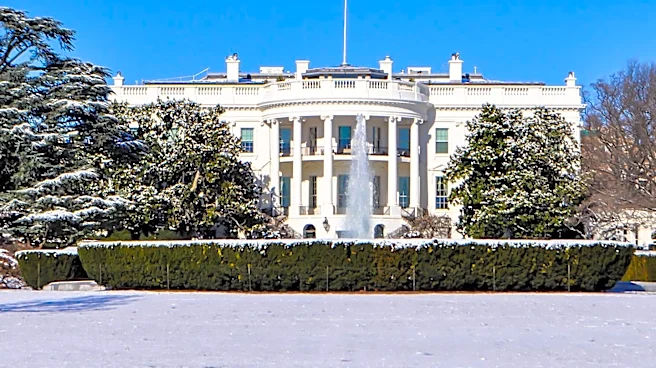
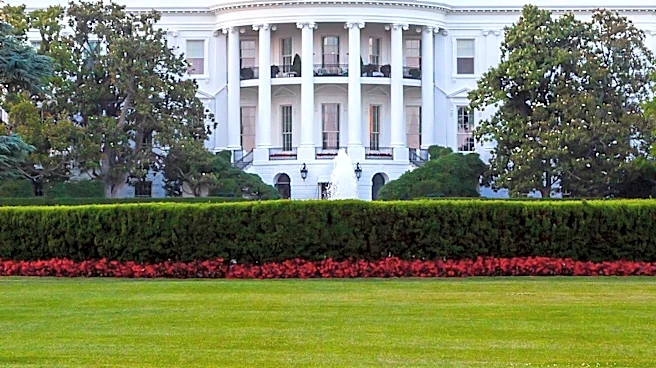
Ford's inauguration as the 38th President occurred immediately after Richard Nixon's resignation. In a speech broadcast live to the nation from the East Room of the White House, Ford acknowledged the peculiarity of his position, stating, "I am acutely aware that you have not elected me as your president by your ballots, and so I ask you to confirm me as your president with your prayers." This statement underscored the unique nature of his presidency and his immediate need to gain public trust and acceptance.
He inherited an executive branch still largely populated by Nixon's appointees. Many of these "Nixon holdovers" remained in their cabinet positions until Ford's significant reorganization in the fall of 1975, an event political commentators dubbed the "Halloween Massacre." This reorganization saw key changes, including the appointment of George H. W. Bush as Director of the Central Intelligence Agency, Donald Rumsfeld as Secretary of Defense, and Dick Cheney replacing Rumsfeld as Chief of Staff, becoming the youngest person to hold that role. These moves were partly intended to solidify Ford's position against potential primary challenges.
The Nixon Pardon and its Repercussions
One of Ford's most immediate and controversial acts was the pardon of Richard Nixon. Just a month into his presidency, on September 8, 1974, Ford issued Proclamation 4311, granting Nixon a full and unconditional pardon for any crimes he might have committed against the United States while president. Ford explained his decision in a televised address, stating he believed it was in the nation's best interest to end the prolonged agony of the Watergate scandal.
This pardon, however, was met with significant public backlash. Gallup polling showed Ford's approval rating plummeting from 71 percent before the pardon to 50 percent immediately afterward. Critics accused him of a "corrupt bargain," and *The New York Times* editorialized that the act destroyed the new president's "credibility." Ford's press secretary, Jerald terHorst, even resigned in protest. The controversy surrounding the pardon lingered throughout his presidency, damaging his relationship with members of Congress from both parties and forcing him to testify before a House Subcommittee, becoming the first sitting president since Woodrow Wilson to do so.
Filling the Vice Presidency and Congressional Relations
Ford's ascension to the presidency left the vice presidency vacant once again. On August 20, 1974, he nominated Nelson Rockefeller, a prominent leader of the Republican Party's liberal wing, for the position. Rockefeller's confirmation process involved extended hearings, during which revelations about large gifts he had made to senior aides caused some embarrassment. Despite conservative Republican reservations, Rockefeller's nomination passed both the House and Senate, and he was sworn in as the 41st Vice President on December 19, 1974. Ford had promised Rockefeller a major role in domestic policy, but he was quickly sidelined by other administration officials.
Ford's presidency was also characterized by a challenging relationship with a liberal Democratic Congress. The 1974 midterm elections, held less than three months after Ford took office, saw the Democratic Party make significant gains, increasing their majority in both the House and Senate. This led to frequent clashes, with Ford often at odds with Congress over spending and policy. He reflected on this dynamic in his autobiography, noting the reversal of roles from his early congressional days when a Republican Congress struggled with a Democratic president.