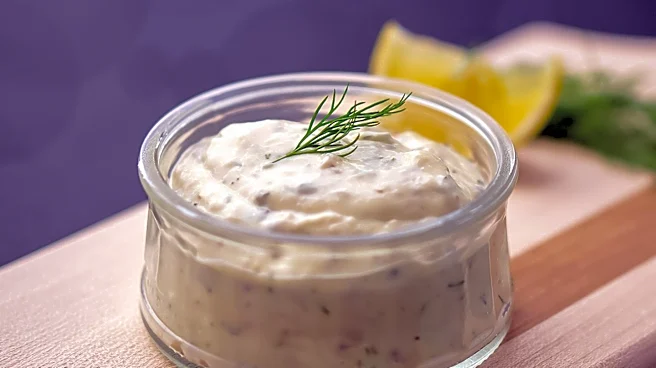









Tartar sauce, a condiment now enjoyed across various continents, boasts a rich history that traces its origins back to 19th-century France. This mayonnaise-based sauce, characterized by its inclusion of chopped cornichons or gherkins, capers, and fresh herbs like tarragon, dill, parsley, and chives, has evolved from a specific accompaniment to steak tartare into a versatile staple. Its journey reflects a fascinating culinary diffusion, adapting to local
tastes and becoming a beloved part of diverse food traditions.
Initially conceived in France, the sauce's name itself provides a clue to its historical context, being directly linked to steak tartare, a dish popular during the 1800s. This connection underscores its early role in French gastronomy, where it likely served to complement the rich flavors of raw beef. The spread of tartar sauce beyond France began relatively early, with recipes appearing in English-language cookbooks by the mid-19th century, indicating its growing appeal and adoption in other Western culinary traditions.
Early Adoption in Western Cuisine
The mid-19th century marked a significant period for tartar sauce, as its presence in English-language cookbooks solidified its place in Western culinary practices. A notable example is a recipe found in "Modern Cookery for Private Families" in 1860, demonstrating its integration into household cooking. This early documentation suggests that the sauce was not merely a restaurant specialty but was becoming accessible to a broader public, indicating a successful transition from haute cuisine to more general consumption.
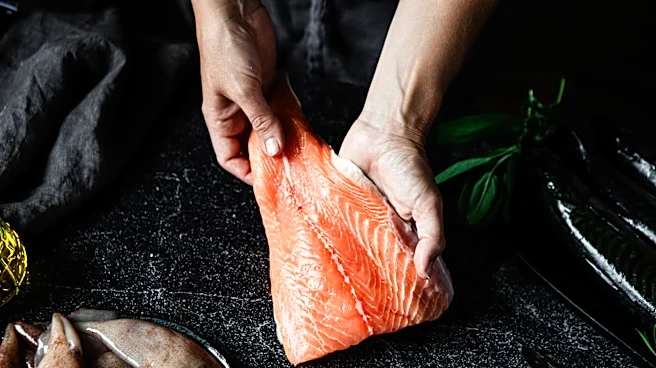
In North American and British cuisine, tartar sauce quickly found its niche as a classic accompaniment to breaded and fried seafood. Dishes such as fried fish, clams, and squid are commonly served with this tangy condiment, which provides a refreshing contrast to the richness of fried foods. This pairing has become so iconic that it is often difficult to imagine these seafood dishes without the presence of tartar sauce, highlighting its deep integration into these culinary cultures.
European Expansion and Diverse Pairings
Beyond its initial Western European and North American strongholds, tartar sauce also made significant inroads into other parts of Europe. In Central and Eastern Europe, it has achieved considerable popularity, becoming a beloved condiment in countries such as Slovakia, Czechia, Poland, and Ukraine. Here, it is often referred to by names like "Tatarska omacka," signifying its localized acceptance and cultural assimilation.
In these European regions, the application of tartar sauce extends beyond just seafood. It is frequently served with breaded and fried or grilled meats, including dishes like Wiener schnitzel and veal trotter. This broader usage demonstrates the sauce's adaptability and its capacity to complement a wider array of savory dishes, showcasing its versatility in different culinary contexts. The sauce's popularity in Hungary in the late 19th century further illustrates its early and widespread appeal across the European continent, cementing its status as a truly international condiment.
The Enduring Appeal of a Mayonnaise Base
The core composition of tartar sauce, a mayonnaise base enriched with chopped cornichons or gherkins, capers, and soft herbs, is central to its enduring appeal. This combination creates a creamy yet piquant flavor profile that enhances many dishes. The inclusion of various herbs like tarragon, dill, parsley, and chives allows for subtle variations in taste, contributing to its adaptability and widespread acceptance. This fundamental structure has remained consistent, even as the sauce has traveled across borders and adapted to different culinary traditions, proving the timeless nature of its original design.