




Game 3 of the 2005 World Series stands out not just for its pivotal role in the championship, but for its sheer endurance. Played on October 25, 2005, at Minute Maid Park in Houston, Texas, this contest between the Chicago White Sox and the Houston Astros became a historic marathon. Lasting an astonishing 5 hours and 41 minutes, it set a new record for the longest World Series game by time. Furthermore, it tied for the longest in terms of innings,
stretching to 14 frames, a record that would only be surpassed years later. This game was a testament to the grit and determination of both teams, unfolding with dramatic rallies, bullpen collapses, and ultimately, a decisive White Sox victory that brought them one step closer to their long-awaited title.
A Record-Setting Night in Houston
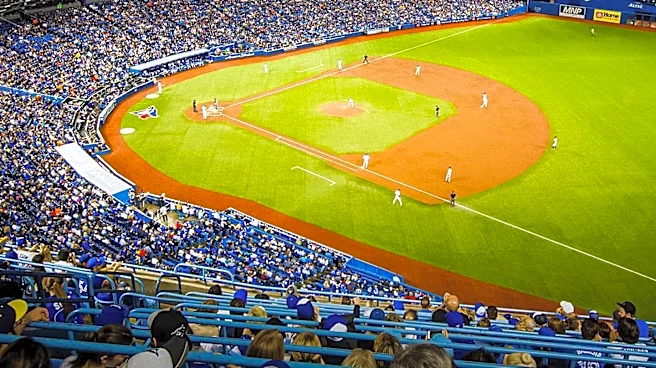
The decision to play Game 3 with the retractable roof open at Minute Maid Park was a point of contention even before the first pitch. Commissioner Bud Selig ruled that the roof would be open, weather permitting, despite objections from the Astros who cited a better record in games played with the roof closed. Selig's office maintained that the ruling aligned with Houston's established rules and consistent treatment of such situations throughout the year, as well as the prevailing weather forecasts. This set the stage for a game that would etch itself into the annals of baseball history, not only for its outcome but for its extraordinary length. The 14-inning battle tied Game 2 of the 1916 World Series and Game 1 of the 2015 World Series for the most innings played, a mark later exceeded by Game 3 of the 2018 World Series. The sheer duration of 5 hours and 41 minutes, however, established a new benchmark for World Series games.
Early Leads and White Sox Rally
Houston wasted no time getting on the scoreboard, with Lance Berkman driving in a run in the bottom of the first inning after a Craig Biggio lead-off double off Chicago starter Jon Garland. The White Sox attempted to rally in the second, but a double play snuffed out their threat after Paul Konerko doubled and A. J. Pierzynski walked. The Astros extended their lead in the third inning under unusual circumstances. Adam Everett walked, then was caught in a rundown and hit by the ball on a Juan Uribe throwing error, eventually scoring on a Roy Oswalt sacrifice bunt and a Biggio single. Morgan Ensberg then singled Biggio home. Jason Lane added to Houston's lead in the fourth with a home run to left-center field, though replays later indicated the ball should not have been ruled a home run, having hit to the left of the yellow line on the unique wall in left-center. Despite these early setbacks, the White Sox, embodying their "Win Or Die Trying" mantra, mounted a significant comeback.
The Fifth Inning Explosion and Bullpen Drama
After Houston starter Roy Oswalt had delivered four shutout innings, the White Sox offense ignited in the top of the fifth, scoring five crucial runs. Joe Crede started the rally with a lead-off home run. Juan Uribe, who had singled, scored on a Tadahito Iguchi base hit with one out. Scott Podsednik then came home on a single by Jermaine Dye. A. J. Pierzynski capped off the inning with a two-out double to Tal's Hill, driving in both Iguchi and Dye and giving the White Sox the lead. The Astros, however, were not to be outdone, staging their own rally in the bottom of the eighth as the White Sox bullpen faltered. Cliff Politte secured two outs but walked Ensberg, leading to Neal Cotts entering the game. Cotts promptly walked Mike Lamb, forcing the White Sox to bring in their regular-season closer, Dustin Hermanson. Hermanson struggled to hold the lead, as Lane doubled to score Ensberg, though he managed to strike out Brad Ausmus to prevent further damage. Houston's attempts to win in the ninth against Orlando Hernandez were thwarted, stranding Chris Burke at third after he had walked, reached second on an error, and stolen third.
Extra Innings and the Decisive Blow
The game continued into extra innings, with both teams failing to score in the tenth and eleventh. The tension mounted, and in the top of the 14th, after the White Sox hit into a spectacular double play initiated by Ensberg, Geoff Blum stepped up. Blum, a former Astro who had entered the game in the 13th, launched a two-out home run to right field, giving the White Sox a crucial lead and saddling Astros reliever Ezequiel Astacio with the loss. The White Sox further extended their advantage when singles by Aaron Rowand and Joe Crede, followed by a walk to Juan Uribe, loaded the bases for Chris Widger. Widger walked, forcing home Rowand and padding the White Sox' lead to 7–5. Astacio was then replaced by Game 1 loser Wandy Rodriguez, who secured the final out of the inning. Houston made one last push in the bottom of the 14th, with the tying runs on first and third and two outs after a Uribe error. However, Game 2 starter Mark Buehrle, pitching in relief, earned the save for winning pitcher Dámaso Marte by getting Adam Everett to pop out, bringing Chicago one game closer to their first championship in 88 years. Buehrle's save was particularly notable, making him the first pitcher since Bob Turley of the 1958 Yankees to start a World Series game and then save the next one.