

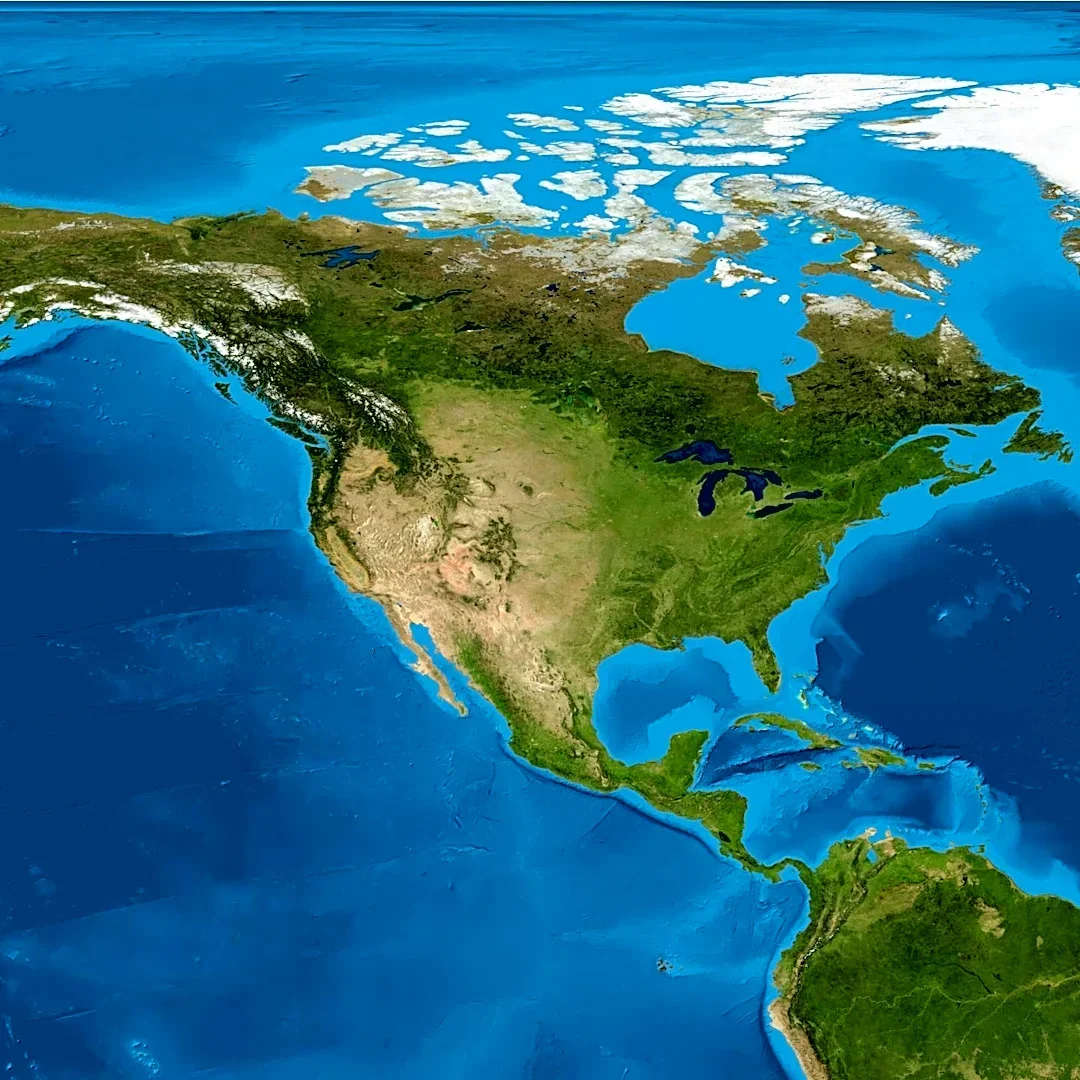

The Alaska boundary dispute, a complex territorial disagreement, was ultimately resolved through an arbitration process in 1903. This arbitration was necessitated by the ambiguous wording of the 1825 Anglo-Russian Convention, which defined the borders of colonial possessions in the region. The subsequent purchase of Alaska by the United States in 1867 and the Klondike Gold Rush of 1897-98 intensified the need for a clear demarcation, particularly
as Canada sought an all-Canadian route from the Yukon gold fields to the Pacific Ocean. After initial negotiations failed in 1898, the United States and the United Kingdom agreed to entrust the decision to a mixed tribunal.
Composition and Controversies of the Tribunal
The Hay–Herbert Treaty between the United States and the United Kingdom established the arbitration tribunal. It comprised six members: three Americans, two Canadians, and one Briton. The American representatives were Elihu Root, the Secretary of War; Henry Cabot Lodge, a senator from Massachusetts; and George Turner, an ex-senator from Washington. The Canadian members were Sir Louis A. Jette, Lieutenant Governor of Quebec, and Allen B. Aylesworth, a King's Counsel from Toronto. Aylesworth had replaced John D. Armour, the Chief Justice of Ontario, who passed away while working on the boundary commission. While Elihu Root was respected by all sides, the choices of ex-Senator Turner and Senator Lodge were met with ridicule by Canadians, who viewed Lodge, a prominent historian and diplomatic specialist, as unobjective.
Key Points of Contention and the Final Decision
The tribunal was tasked with considering six main points of contention. These included determining where the boundary began, the precise meaning of "Portland Channel" and how to draw the line through it (which involved four disputed islands), and the definition of the line from the southernmost point of Prince of Wales Island to Portland Channel. Further issues involved the line from Portland Channel to the 56th parallel north, the width of the "lisière" (border or edge) and its measurement, and whether continuous mountain ranges existed in the area, as suggested by the maps used in the 1825 commission.
The British member, Lord Alverstone, ultimately sided with the U.S. position on these fundamental issues. The agreed demarcation line was a compromise, falling roughly between the maximal U.S. and maximal Canadian claims. This decision meant that Canada did not achieve its goal of an all-Canadian outlet from the Yukon gold fields to the Pacific Ocean. Canadian scholar Hugh L. L. Keenlyside later concluded in 1929 that "The Americans, of course, did have the better case," and judged most of the tribunal's decisions as fair. However, he noted that the decision regarding the islands in the Portland Channel was a "direct violation of the judicial character of the court," suggesting it was a political compromise rather than a purely judicial one. This outcome, particularly Lord Alverstone's vote, was seen by many Canadians as a betrayal, contributing to a growing sense of national identity and a desire for greater autonomy from British foreign policy.