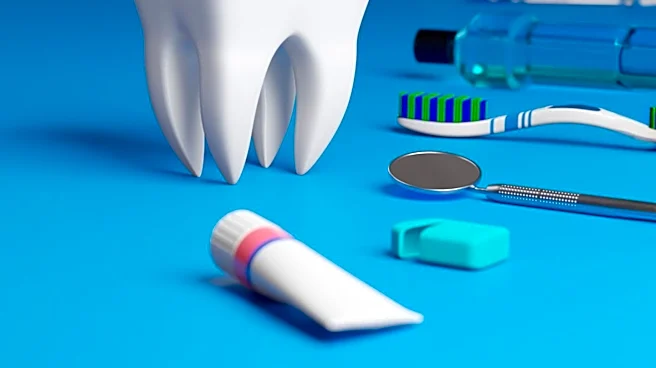



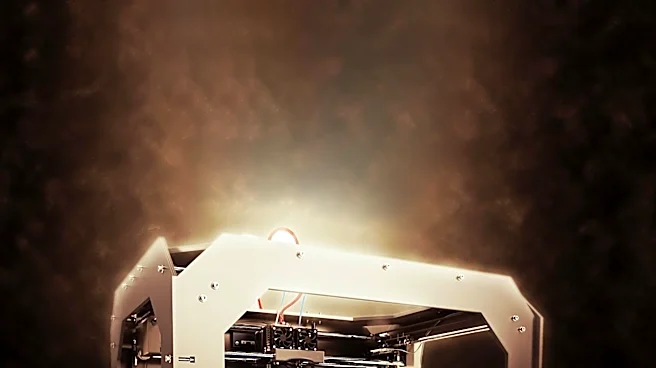
Light-accelerated bleaching, often referred to as power bleaching, is a technique used in dental offices to speed up the tooth whitening process. This method utilizes light energy with the intention of accelerating the chemical reactions involved in bleaching. Various types of energy can be employed in this procedure, with halogen, LED, and plasma arc lights being the most common. The effectiveness of whitening and the potential for tooth sensitivity
are significantly influenced by the type of light used, its intensity, temperature, and the duration of exposure.
How Light Interacts with Bleaching Agents
When used correctly, light can substantially enhance the whitening effect without increasing sensitivity. However, if used improperly, it may heighten the risk of tooth sensitivity and might not be any more effective than bleaching without light, especially when high concentrations of hydrogen peroxide are involved. A study conducted in 2015 suggested that the use of a light activator does not necessarily improve bleaching outcomes and may not have a measurable effect. Instead, it is more likely to increase the temperature of the associated tissues, potentially leading to damage.
For optimal results, the ideal energy source should be high-energy enough to excite the peroxide molecules in the bleaching agent without overheating the tooth's pulp. Lights typically operate within the blue light spectrum, as these wavelengths have been identified as the most effective for initiating the hydrogen peroxide reaction. Recent technological advancements have focused on minimizing heat and UV emissions, which allows for a shorter patient preparation procedure.
The Power Bleaching Treatment Process
A typical power bleaching treatment involves several key steps. First, the soft tissue, including the gums and the papilla (the tips of the gums between the teeth), is isolated using a resin-based, light-curable barrier. This protective measure is crucial to prevent chemical burns to these sensitive areas. Following isolation, a professional dental-grade hydrogen peroxide whitening gel is applied. These gels usually contain a high concentration of hydrogen peroxide, typically ranging from 25% to 38%.
After the gel application, the teeth are exposed to the light source for a duration of 6 to 15 minutes. This exposure is intended to activate the hydrogen peroxide and accelerate the whitening process. It's important to note that the free radicals generated by hydrogen peroxide are the main cause of tooth sensitivity and gum irritation during whitening. Therefore, managing the concentration and application of the bleaching agent, especially with light activation, is critical for patient comfort and safety.
Pre-Treatment and Post-Treatment Recommendations
Before undergoing any light-accelerated whitening treatment, a comprehensive examination of the patient is highly recommended. This includes a thorough assessment of the patient's medical and dental history, including any allergies. Radiographs may be used to aid in diagnosing the current condition of the mouth. It is essential that the patient has a healthy mouth, free from periodontal disease or cavities, and has undergone a debridement or cleaning to remove any tartar or plaque buildup. This preparation ensures the best possible outcome and minimizes potential complications.
Following the treatment, patients are advised to avoid smoking, drinking red wine, and consuming any deeply colored foods or drinks. This is because teeth can be particularly susceptible to staining immediately after the whitening procedure. Adhering to these post-treatment guidelines can help maintain the achieved whitening results for a longer period.