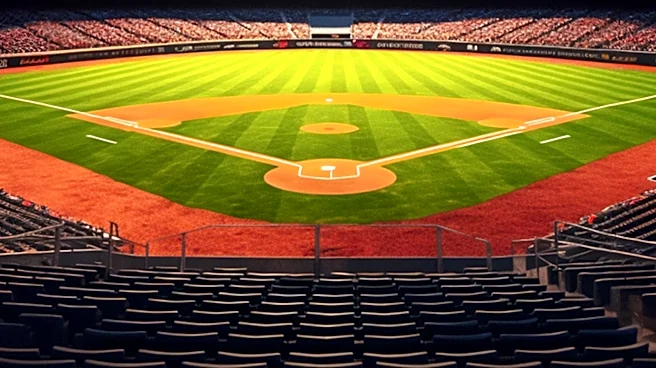




Comiskey Park, a venerable institution in Chicago baseball, hosted its final season as the home of the White Sox in 1990. This year marked the end of an 80-year era for the ballpark, which had seen countless games and historic moments. Initially, expectations for the White Sox were low, with predictions placing them in last place after four consecutive losing seasons. However, the 1990 season defied these predictions, transforming into an unexpected
commemoration of both the team and its historic home.
Under the leadership of manager Jeff Torborg, the White Sox surprised many by getting off to a fast start. They remained close on the heels of the preseason favorites and defending World Series champions, the Oakland Athletics. This unexpected success created an electric atmosphere in the old stadium, turning what could have been a somber farewell into a vibrant celebration of White Sox baseball and Comiskey Park's legacy.
The Team's Unexpected Rise and Key Figures
The 1990 White Sox team, despite initial low expectations, became a memorable group. Assistant General Manager Dan Evans, pitcher Wayne Edwards, and shortstop Ozzie Guillen all credited manager Jeff Torborg for motivating his players and instilling enthusiasm. Guillen, in particular, was highlighted as a loquacious team leader who played shortstop with passion. His influence extended beyond the field, as he would later manage the team to their first World Series victory in 88 years in 2005.
The roster also featured several rising stars who would go on to have significant careers. Starting pitcher Jack McDowell, third baseman Robin Ventura (who initially struggled before becoming a star), aggressive starting pitcher Alex Fernandez, and future Hall of Famer first baseman/designated hitter Frank Thomas were all part of this transitional team. Thomas, a rookie, made an instant impact after being called up mid-season from the minor leagues, showcasing his powerful hitting that would define his career. The blend of veteran leadership and emerging talent contributed to the team's surprising performance and the memorable nature of Comiskey Park's final year.
The Heart of the Ballpark: Fans, Fixtures, and Culture
Beyond the players, the final season at Comiskey Park was also shaped by the long-standing fixtures and unique culture of the stadium. Nancy Faust, the White Sox organist for 41 years, shared her favorite moments from the ballpark's history. Faust, who received an RIAA Gold Record for popularizing Steam's "Na Na Hey Hey Kiss Him Goodbye" – turning it into a worldwide stadium taunt – was seen interacting with admiring fans and creating musical accompaniments tailored to individual players and game situations. Her contributions significantly enhanced the game-day experience and the emotional connection fans had to the park.
Longtime vendor Mark Reiner provided a humorous anecdote about selling beer on the field during Comiskey's infamous 1979 Disco Demolition Night riot, an event that pitcher Donn Pall remembered attending as a young fan. Vendor and stadium archivist Lloyd Rutzky offered insights into Comiskey Park's unique stadium culture, emphasizing the deep connection between the venue and its community. These personal stories and the contributions of these individuals underscored the rich history and beloved atmosphere that defined Comiskey Park for generations of fans.
Architectural Charm and Clubhouse Peculiarities
The film discussing the 1990 season also touched upon the distinctive architecture of Comiskey Park, designed by Zachary Taylor Davis. The park was known for its close-in upper deck, which provided an intimate experience for fans, a stark contrast to the more distant upper seating areas found in many modern stadiums. This design choice fostered a closer connection between the spectators and the action on the field, contributing to the park's unique charm.
Further architectural details included the stadium's trademark Prairie School archways and its immaculately cared-for grounds. The Bard's Room, where former owner Bill Veeck would entertain friends and reporters into the early hours, also added to the park's legendary status. Players shared reminiscences of the old stadium's home clubhouse, noting its low ceilings, tight quarters, and other peculiarities. Despite these quirks, the clubhouse was much loved, particularly due to its manager, Willie "Chicken Willie" Thompson, who wore many hats, including serving as the clubhouse chef. These details painted a vivid picture of a ballpark with character, deeply ingrained in the memories of those who played and worked there.
A Veteran's Presence and the Final Game
The impact of Baseball Hall of Fame catcher Carlton Fisk was also a significant aspect of the 1990 team. Fisk, a veteran leader, was an imposing presence who often intimidated the younger members of the pitching staff. Rookie pitcher Scott Radinsky recounted his trepidation upon discovering he was assigned a clubhouse locker next to the veteran catcher and future Hall of Famer. Fisk's experience and leadership provided a crucial anchor for the developing team, guiding them through the pressures of a surprising season and the emotional weight of Comiskey Park's farewell.
The 1990 season concluded with the Chicago White Sox finishing behind the Oakland Athletics in the standings. On September 30, 1990, Comiskey Park officially closed its doors, marking the end of a long and storied period in the club's history. The final season, initially expected to be a write-off, instead became a retrospective commemoration, filled with unexpected triumphs, memorable characters, and a deep appreciation for the ballpark that had been home to the White Sox for eight decades.