




Hurricane Charley, a Category 4 hurricane in 2004, left a significant mark on Florida, causing widespread damage and disruption. As one of the strongest hurricanes to hit the state since Hurricane Andrew in 1992, Charley brought with it not only high winds and storm surges but also a lasting impact on the communities it touched. This article delves into the specific effects of Hurricane Charley on Florida, highlighting the challenges faced by its
residents and the resilience shown in the aftermath.
Devastation Across the State
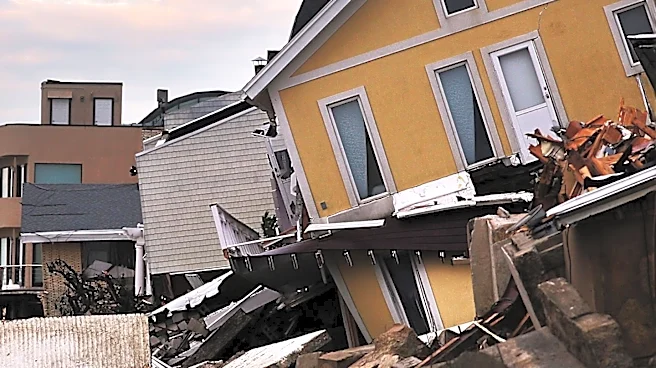
Hurricane Charley made landfall in Florida with peak winds of 150 mph, causing extensive damage across the state. The storm's rapid movement across the Florida peninsula limited rainfall but did not spare the state from its destructive winds. In areas like Captiva Island, the hurricane produced a storm surge of up to 6.5 feet, leading to severe beach erosion and damage to homes and infrastructure. The storm's intensity was such that it created a new inlet on North Captiva Island, known as Charley's Cut.
Inland areas were not immune to Charley's wrath. The city of Arcadia in DeSoto County experienced extreme damage, with 95% of buildings in the downtown area affected. The only shelter in the town had its roof torn open, leaving evacuees vulnerable. Hardee County saw property damage estimated at $750 million, with widespread blackouts and thousands of homes damaged or destroyed.
Widespread Power Outages and Infrastructure Damage
The hurricane's impact on Florida's infrastructure was severe, with power outages affecting millions. In some areas, electricity was not restored for weeks, leaving residents to cope with the aftermath without basic utilities. The storm's compact nature meant that the most intense damage was concentrated within a narrow band, but its effects were felt far and wide.
In Charlotte County, 80% of buildings were damaged, and in Punta Gorda, the hurricane's landfall location, wind speeds reached up to 111 mph before instruments were destroyed. The strong winds blew off roofs and caused significant damage to hospitals and other critical facilities, further complicating recovery efforts.
Agricultural and Economic Impact
Hurricane Charley also had a profound impact on Florida's agriculture, with damage to the citrus crop alone estimated at $200 million. The storm's timing and intensity led to a 50% increase in the price of grapefruit juice, highlighting the economic ripple effects of such natural disasters. Overall, Charley caused $14.6 billion in property damage on the Florida peninsula, with towns like Punta Gorda and Port Charlotte bearing the brunt of the destruction.
The aftermath of Hurricane Charley demonstrated the vulnerability of Florida's infrastructure and communities to powerful storms. However, it also showcased the resilience and determination of its residents to rebuild and recover in the face of adversity.