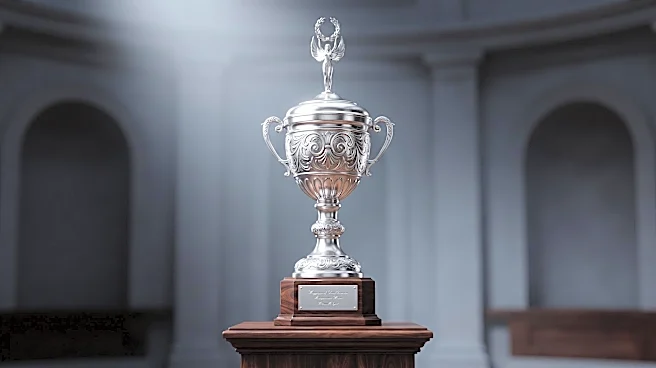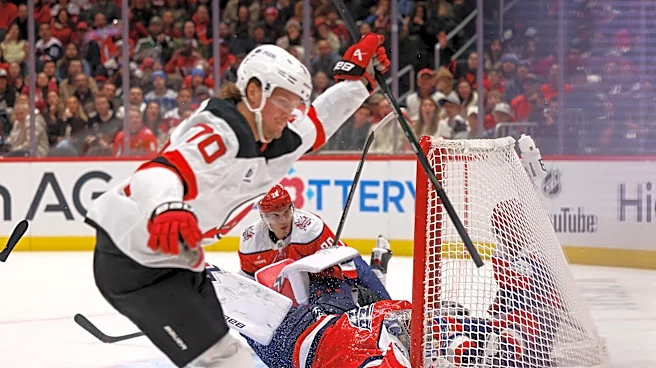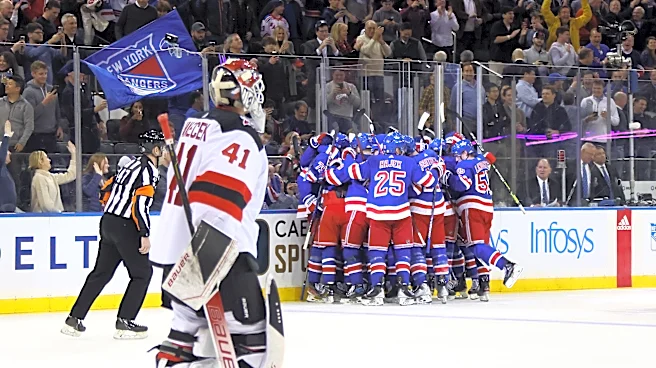








Following their Stanley Cup victory in 1940, the New York Rangers entered one of the most infamous periods in NHL history: a 54-year championship drought known as the "Curse of 1940." This prolonged absence from the pinnacle of hockey success became a defining characteristic of the franchise for over half a century, deeply impacting fan sentiment and team narratives. The curse's origins are steeped in hockey lore, with various theories attempting
to explain the team's persistent inability to secure another championship. This era was marked by frequent playoff disappointments, near misses, and a general struggle for consistent contention, creating a unique and often frustrating chapter in the Rangers' history.
The Origins of the Curse
The exact genesis of the "Curse of 1940" is a subject of hockey legend, with two primary theories circulating among fans and historians. One popular story suggests the curse began when the Rangers' management, in a moment of celebratory exuberance after their 1940 Stanley Cup win, burned the mortgage to Madison Square Garden in the bowl of the Stanley Cup itself. This act, seen by some as disrespectful to the revered trophy, was believed to have brought misfortune upon the team. Another theory attributes the curse to Red Dutton, the owner of the Brooklyn Americans. Following the Americans' fold in 1942, and the league's failure to honor a promise for their return, Dutton allegedly swore a curse on the Rangers, who were seen as rivals and beneficiaries of the Americans' demise.
Regardless of its true origin, the curse became a tangible part of the Rangers' identity. Fans of rival teams, particularly the New York Islanders in the early 1980s, would famously chant "1940! 1940!" to taunt the Rangers during games, a practice that was soon adopted by fans in other cities. This chant served as a constant reminder of the team's long-standing championship drought and the perceived hex that plagued them. The psychological impact of the curse was significant, influencing expectations and adding a layer of dramatic tension to every playoff run.
Decades of Disappointment
The period immediately following 1940 saw a dramatic decline in the Rangers' performance. By the mid-1940s, the team collapsed, enduring lopsided losses, including a 15–0 defeat. The 1943–44 season was particularly dismal, with goaltender Ken McAuley setting an NHL record for the worst goals-against average by a goaltender playing at least 25 games. The team missed the playoffs for five consecutive seasons before a brief appearance in 1947–48. In the 1950 Stanley Cup Final, the Rangers faced another heartbreaking loss, falling to the Detroit Red Wings in overtime in the seventh game, a series where they were forced to play all their "home" games in Toronto due to the circus occupying Madison Square Garden.
Throughout the remainder of the Original Six era (1942–1967), the Rangers missed the playoffs in 12 of 16 seasons. Management struggles, including the resignations of general managers Frank Boucher and Muzz Patrick due to the team's inability to contend and unwillingness to spend money, further highlighted the challenges. While the team experienced a "mini-renaissance" in the 1970s, making two Stanley Cup Final appearances, they ultimately lost both, to the Bruins in 1972 and the Canadiens in 1979. The early 1980s brought further playoff frustration, as the Rangers were eliminated by the rival Islanders in four consecutive playoff series, during which the Islanders won three straight Stanley Cups.
Breaking the Curse in 1994
The weight of the "Curse of 1940" continued to hang over the franchise through the 1980s and early 1990s. Despite making the playoffs almost every year, the team consistently fell short of the ultimate prize. Frustration peaked in the 1991–92 season when the team won the Presidents' Trophy but faltered in the playoffs against the Pittsburgh Penguins. The following year, injuries and a poor finish saw them drop to the bottom of their division, further fueling the curse narrative.
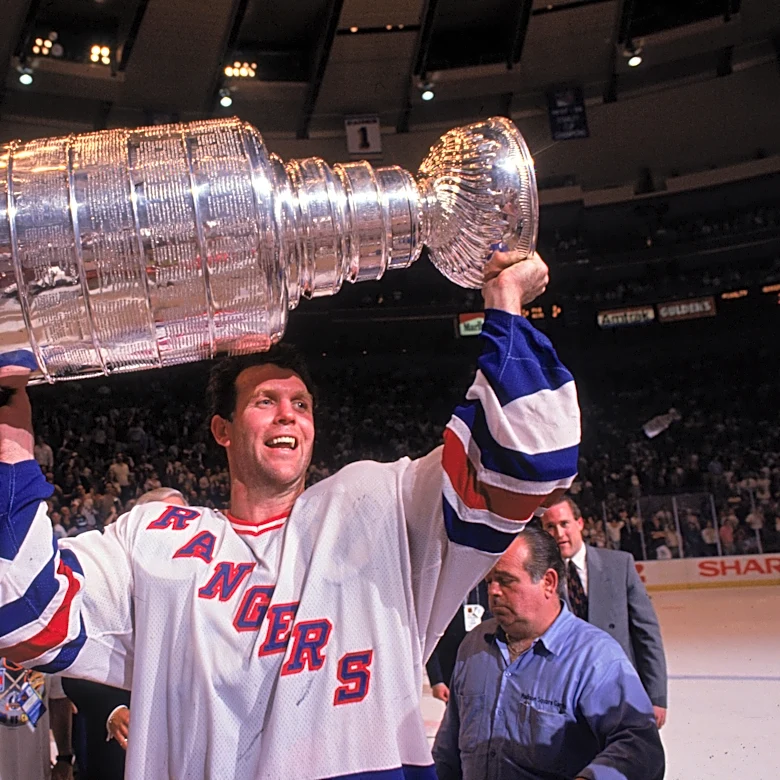
The 54-year drought finally came to an end in 1994. A team led by captain Mark Messier, Brian Leetch, Adam Graves, and Mike Richter captured the franchise's fourth Stanley Cup. This victory was a monumental moment for the organization and its long-suffering fanbase, finally lifting the burden of the "Curse of 1940" and ushering in a new era for the New York Rangers. The breaking of the curse remains one of the most celebrated achievements in the team's history, a testament to perseverance and the power of a championship-caliber roster.