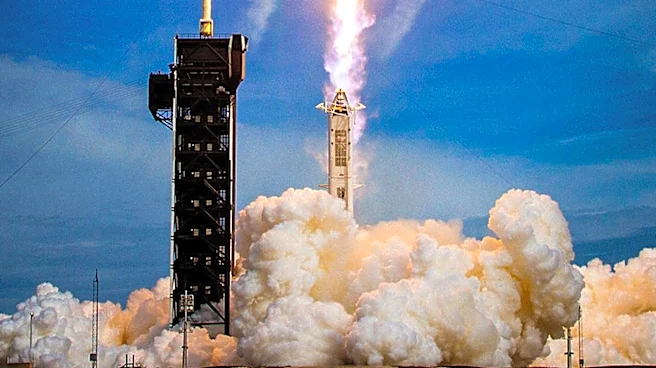


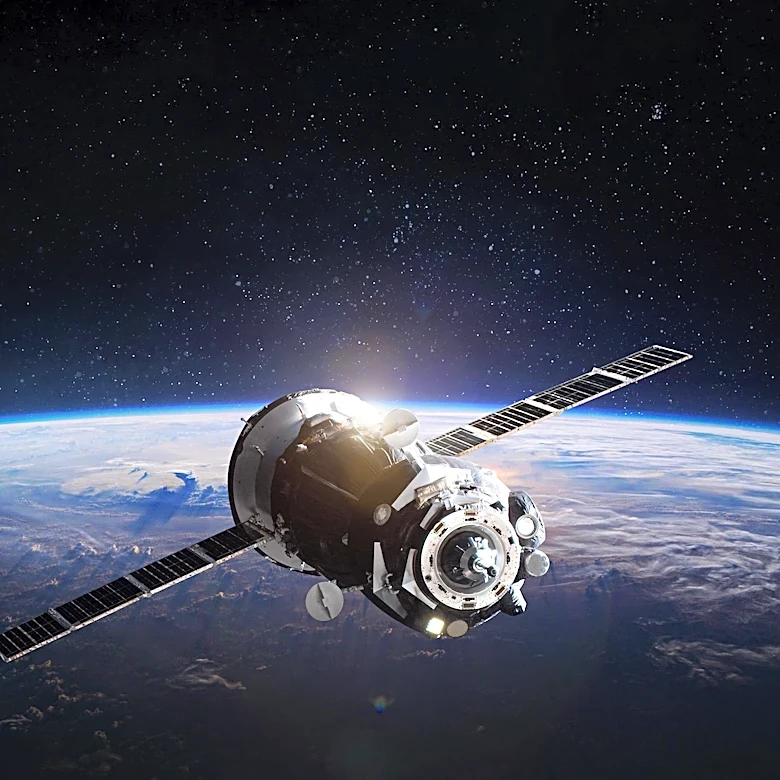




Mercury-Atlas 4 (MA-4) represented a crucial uncrewed test flight within NASA's ambitious Project Mercury program. Launched on September 13, 1961, from Cape Canaveral Air Force Station Launch Complex 14, its primary objective was to rigorously evaluate the Mercury spacecraft's performance in an orbital environment and to thoroughly test the Mercury Space Flight Network. This mission was not just another launch; it was the first successful orbital flight test for Project Mercury,
marking a significant step forward after previous suborbital successes. Despite facing a series of technical hurdles during its preparation, MA-4 ultimately achieved all its goals, providing invaluable data that would shape the future of crewed spaceflight.
Overcoming Pre-Launch Challenges
The path to the successful launch of Mercury-Atlas 4 was fraught with technical difficulties and delays. Extensive modifications were required for the Atlas booster following findings from the Mercury-Atlas 3 mission, pushing back its factory rollout inspection until June 30 and its delivery to Cape Canaveral until July 15. Furthermore, the mission did not use the originally planned Mercury capsule #9. Instead, it utilized capsule #8A, which had been recovered and refurbished after the Mercury-Atlas 3 launch. This particular capsule was one of the older models, characterized by small port windows, the absence of a landing bag, and a heavy locking mechanism on its hatch.
Further delays plagued the launch preparations, primarily due to issues with the Atlas autopilot. A defective yaw rate gyro had to be replaced, pushing the intended August 22 launch date back. A more widespread problem emerged when it was discovered that the brand of transistor used in both the Atlas rocket and the Mercury spacecraft was prone to forming solder balls. This critical issue necessitated a laborious week-long repair effort throughout the entire last week of August, highlighting the meticulous attention to detail required in early space missions.
Mission Objectives and Payload
Mercury-Atlas 4 was designed as a comprehensive orbital test, not only for the Mercury spacecraft itself but also for the Mercury Space Flight Network, which was vital for tracking and communicating with orbiting capsules. The payload for this uncrewed flight was carefully selected to gather maximum data. It included a pilot simulator, specifically designed to test the environmental controls within the capsule, ensuring conditions would be suitable for a human astronaut. To verify the functionality of the tracking network, two voice tapes were included, allowing ground stations to practice communication protocols.
Beyond these, the capsule carried a life support system, three cameras to document the orbital environment, and a suite of instrumentation. These instruments were tasked with monitoring critical parameters such as noise levels, vibration, and radiation exposure during the flight. A key objective also involved testing modifications made to the Atlas autopilot. Engineers suspected that a transient voltage had caused malfunctions in previous missions, including Mercury-Atlas 3 and Big Joe. To counteract this, Convair equipped the autopilot with a new capability, which MA-4 was to test. Additionally, concerns about rough combustion and gyroscope malfunctions, which had destroyed two Atlas E vehicles in June, were addressed, though a new Spin Motor Rotation Detection System would not be integrated into a Mercury vehicle until Mercury-Atlas 5.
A Successful Orbital Debut
The successful completion of Mercury-Atlas 4 marked a significant milestone for Project Mercury. The mission lasted 1 hour, 49 minutes, and 20 seconds, during which the Mercury #8A spacecraft completed a single orbit around Earth, traveling a distance of 41,919 kilometers (26,047 miles). The successful orbital launch of the Mercury capsule provided crucial validation for the spacecraft's design and the Atlas LV-3B rocket's capability to place it into orbit. The data collected from the pilot simulator, voice tapes, life support system, cameras, and various instruments offered invaluable insights into the orbital environment and the performance of the spacecraft's systems.
The mission's success was a testament to the rigorous testing and modifications undertaken during the challenging pre-launch phase. It demonstrated that the Mercury spacecraft and its supporting network were capable of orbital flight, paving the way for upcoming crewed missions. The recovery of the capsule by the USS Decatur further validated the mission's operational procedures. Mercury-Atlas 4, despite being uncrewed, was a critical stepping stone, proving the fundamental capabilities required for NASA to confidently proceed with its goal of sending Americans into space.