
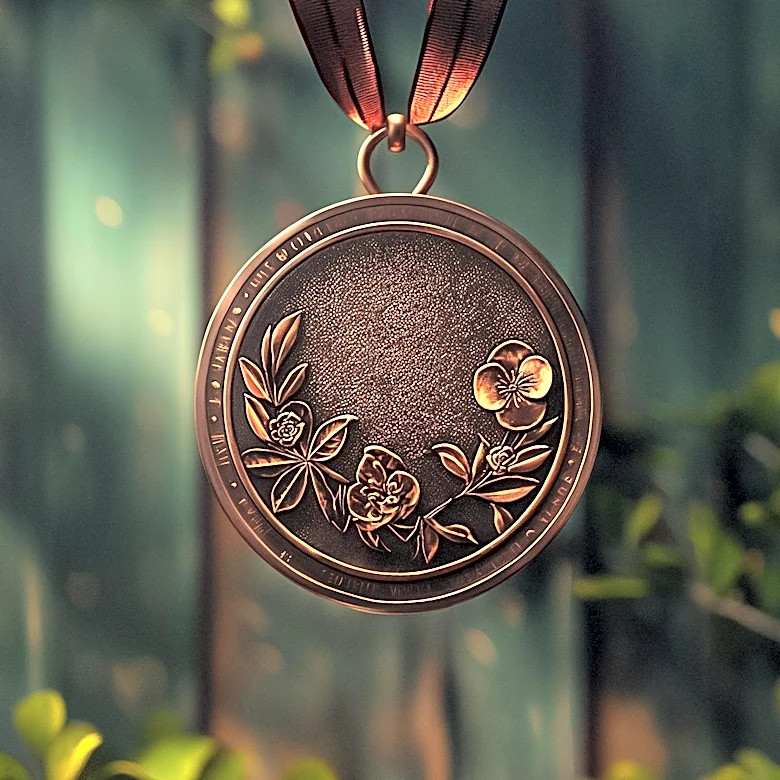







The Carnegie Medal for Writing stands as a distinguished annual British literary award, specifically recognizing outstanding English-language books for children or young adults. Established in 1936, it has a long and storied history, making it the UK's oldest and most prestigious book award dedicated to children's writing. Conferred upon the author by the Chartered Institute of Library and Information Professionals (CILIP), this medal has played a crucial
role in highlighting literary quality and fostering a love for reading among younger generations in the United Kingdom.
Origins and Early Years of the Award
The Carnegie Medal was first established in 1936, initially simply known as the Carnegie Medal. Its inception marked a significant moment for children's literature, providing a dedicated platform to honor authors who produced exceptional works for young readers. The award was created by the British Library Association, which later passed its stewardship to CILIP in 2001. From its earliest days, the medal aimed to identify and celebrate books that not only entertained but also offered a profound and lasting experience to their audience.
In its initial decades, the award was primarily restricted to British authors, a focus that continued at least through the 1990s. This early emphasis helped to cultivate and recognize talent within the British literary landscape for children's books. The first recipient of the Carnegie Medal was Arthur Ransome for his book *Pigeon Post* in 1936, setting a high standard for the literary quality that the award would come to represent. Subsequent early winners included Eve Garnett for *The Family from One End Street* in 1937 and Noel Streatfeild for *The Circus Is Coming* in 1938, showcasing a diverse range of storytelling and themes.
Evolution of Criteria and Inclusivity
Over the decades, the Carnegie Medal's criteria and scope have evolved to reflect changes in publishing and societal understanding. While initially focused on British authors, the award now recognizes outstanding new English-language books for children or young adults, with the primary requirement being first publication in the UK during the preceding year (September 1 to August 31). This broadens the potential pool of eligible works, ensuring that the award remains relevant and inclusive of the best writing available to young readers in the UK.
CILIP, the administering body, explicitly states that