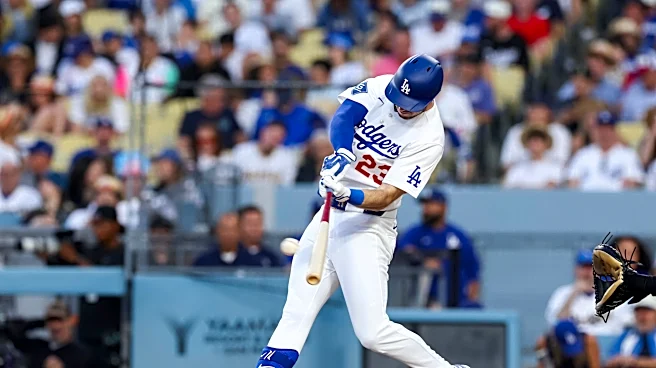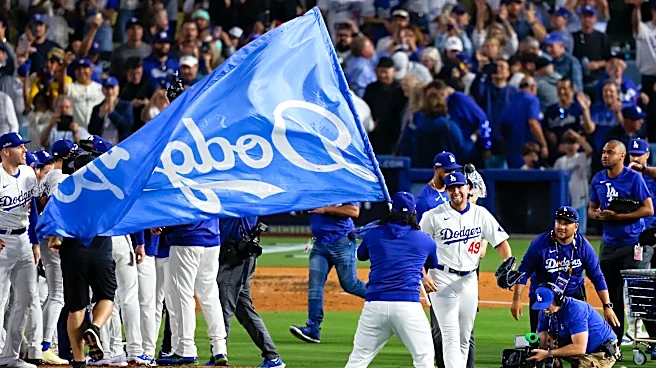



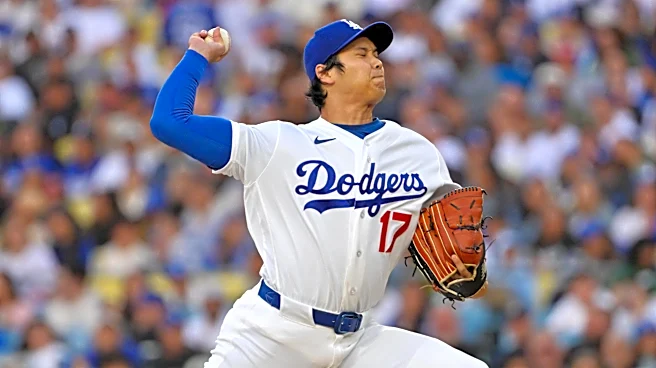


The 2020 Major League Baseball All-Star Game was set to be a significant event, marking the 91st edition of this annual showcase. Scheduled for July 14, 2020, at Dodger Stadium in Los Angeles, it promised to be a memorable occasion for baseball fans. However, the game was canceled due to the COVID-19 pandemic, marking the first cancellation since 1945. This article explores the reasons behind the cancellation and its implications for Major League Baseball and its fans.
The Impact of COVID-19
The COVID-19 pandemic had a profound impact on sports worldwide, and Major League Baseball was no exception. The 2020 season faced significant disruptions, with the start delayed until July 23 due to government restrictions aimed at curbing the spread of the virus. As a result, the All-Star Game, originally scheduled for mid-July, was canceled. This decision was made to prioritize the health and safety of players, staff, and fans, as large gatherings posed a significant risk during the pandemic.
The cancellation of the All-Star Game was a disappointment for many, as it is a highlight of the baseball calendar, bringing together the best players from the American and National Leagues. It also serves as a celebration of the sport, with various events and festivities surrounding the game. The absence of the 2020 All-Star Game was felt by fans and players alike, as it broke a long-standing tradition in the sport.
Historical Context of Cancellations
The cancellation of the 2020 All-Star Game was a rare occurrence in the history of Major League Baseball. The last time the game was canceled was in 1945, during World War II, due to wartime travel restrictions. This historical context highlights the significance of the 2020 cancellation, as it underscores the severity of the COVID-19 pandemic and its impact on global events.
The decision to cancel the game was not taken lightly, as it involved various stakeholders, including team owners, players, and league officials. The All-Star Game is not only a sporting event but also a significant revenue generator for the host city and the league. The cancellation meant a loss of economic activity and exposure for Los Angeles, which had been eagerly preparing to host the event.
Looking Ahead to Future Games
In light of the cancellation, Major League Baseball awarded Dodger Stadium the 2022 All-Star Game, ensuring that Los Angeles would still have the opportunity to host this prestigious event. This decision was welcomed by fans and the city, as it provided a sense of continuity and hope for the future.
The 2022 All-Star Game took place on July 19, allowing Dodger Stadium to finally showcase its hospitality and baseball heritage. This rescheduling demonstrated the league's commitment to maintaining the tradition of the All-Star Game while adapting to unprecedented circumstances. The 2020 cancellation serves as a reminder of the challenges faced during the pandemic and the resilience of the baseball community in overcoming them.