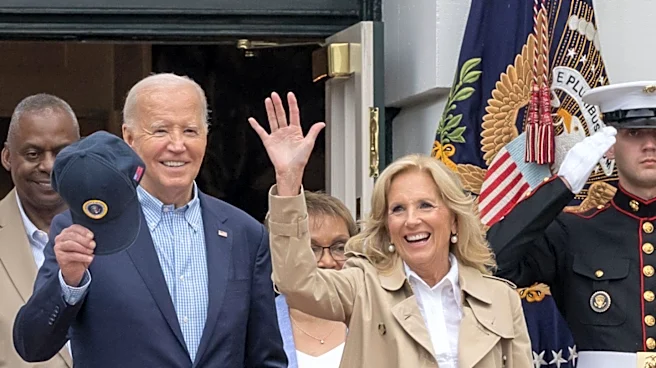








Executive Order 14110, officially titled "Executive Order on Safe, Secure, and Trustworthy Development and Use of Artificial Intelligence," was a landmark directive signed by then-U.S. President Joe Biden on October 30, 2023. This order represented the Biden administration's most comprehensive effort to establish a national framework for governing artificial intelligence (AI). It aimed to balance the potential benefits of AI technologies with the need
to mitigate associated risks, setting a broad agenda for federal agencies to address the rapidly evolving field of generative AI.
Policy Goals and Strategic Vision
The executive order laid out several key policy goals designed to shape the future of AI development and use in the United States. A primary objective was to promote competition and innovation within the AI industry, fostering an environment where new technologies could flourish responsibly. Simultaneously, the order sought to uphold civil and labor rights, ensuring that AI advancements did not infringe upon fundamental freedoms or create new forms of discrimination. Protecting consumers and their privacy from AI-enabled harms was another critical component, reflecting concerns about data security and algorithmic bias.
Furthermore, the order specified federal policies for the procurement and use of AI by government agencies, aiming to establish consistent standards across the federal landscape. It also addressed the growing challenge of AI-generated content by developing watermarking systems to identify such material and ward off intellectual property theft stemming from the use of generative models. Ultimately, a core strategic goal was to maintain the nation's position as a global leader in AI, ensuring that the U.S. remained at the forefront of technological advancement and ethical governance.
Background and Context of the Order
The drafting of Executive Order 14110 was directly influenced by the rapid pace of development in generative AI models during the 2020s. The emergence and widespread attention given to large language models like ChatGPT highlighted both the immense potential and the significant challenges posed by these technologies. President Biden himself acknowledged this accelerated development, stating upon signing the order that AI technologies were progressing at "warp speed" and emphasizing the necessity of governing this technology to "realize the promise of AI and avoid the risk."
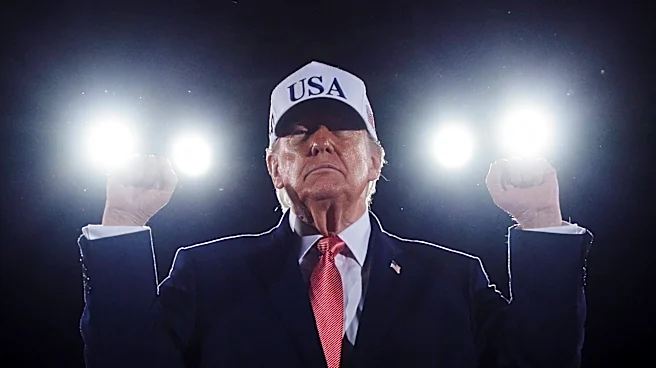
This executive order was not the first time a U.S. president had addressed AI through executive action; it was, in fact, the third executive order explicitly dealing with AI, following two AI-related orders signed by former President Donald Trump. However, Executive Order 14110 distinguished itself by its breadth and depth, earning recognition as the most comprehensive piece of governance by the United States government pertaining to AI. Prior to its signing, the Biden administration had already introduced a "Blueprint for an AI Bill of Rights" and secured non-binding AI safety commitments from major technology companies, indicating a sustained focus on AI policy. The order also emerged amidst calls from lawmakers, including Senate Majority Leader Chuck Schumer, for legislative action to regulate AI in the 118th United States Congress, underscoring the growing urgency of AI governance.
Scope and Subsequent Developments
Despite its comprehensive nature, Executive Order 14110 did not encompass all AI-related policy proposals circulating at the time. For instance, it did not include proposals for a "licensing regime" for advanced AI models, an idea that had garnered support from some industry leaders. Additionally, the order did not seek to prohibit 'high-risk' uses of AI technology, nor did it mandate that technology companies release information regarding AI systems' training data and models. These areas remained subjects of ongoing discussion and potential future policy. The order required several major federal agencies to establish dedicated "chief artificial intelligence officer" positions within their organizations, further embedding AI governance into the federal structure.
However, the trajectory of Executive Order 14110 was cut short. It was rescinded by U.S. President Donald Trump within hours of his assuming office on January 20, 2025. This action was part of a broader move to revoke existing AI policies and directives that were perceived as barriers to U.S. AI innovation. Executive Order 14110 was subsequently replaced by Executive Order 14179, signaling a shift in the national approach to AI governance under the new administration.