






Perioral dermatitis, also known by names such as periorificial dermatitis or rosacea-like dermatoses, is a common inflammatory skin rash that primarily affects the areas around the mouth and nostrils. While the term "dermatitis" might suggest an eczematous process, this is actually a misnomer, as the condition is not a true eczema. It is characterized by small bumps and blisters, often accompanied by background redness and scaling. This condition can
be persistent or recurring, and while it shares some similarities with rosacea and acne, it has distinct features that help in its identification.
Identifying the Symptoms and Appearance
The primary symptoms of perioral dermatitis include multiple small papules and pustules, typically measuring 1 to 2 millimeters, which appear around the mouth and nose. Less commonly, the eyes and genitalia can also be affected. A notable characteristic is the sparing of the skin directly adjacent to the lips, known as the vermillion border, which usually appears normal. Patients often report a stinging and burning sensation associated with the rash, though itching is less common.
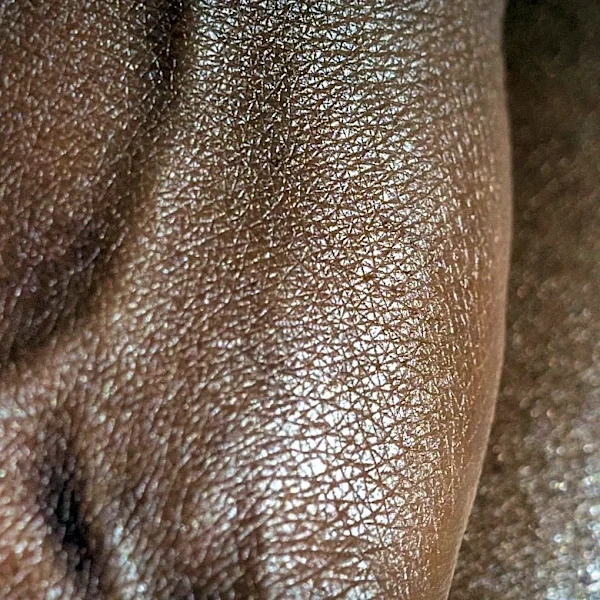
There may be some mild background redness and occasional scaling in the affected areas. These skin regions are often perceived as drier, leading individuals to moisturize them more frequently. However, this can sometimes worsen the rash, as these areas do not tolerate drying agents well. A variant of perioral dermatitis, called granulomatous perioral dermatitis (GPD), is frequently observed in prepubertal children or individuals with darker skin tones. GPD lesions might appear yellow when examined with a diascopy, and while patients report irritation, they are generally asymptomatic. For children with GPD, a skin biopsy showing a granulomatous infiltrate is necessary to confirm the diagnosis in atypical cases, though treatment is not mandatory if the condition is mild.
Distinguishing Perioral Dermatitis from Similar Conditions
Perioral dermatitis can resemble other skin conditions, particularly rosacea and, to some extent, acne. However, there are key differences. Unlike rosacea, which predominantly affects the nose and cheeks, perioral dermatitis does not involve telangiectasia, which are small, dilated blood vessels. Rosacea can also be present alongside perioral dermatitis, especially in older individuals. Acne, another condition with similar-looking bumps, can be differentiated by the presence of comedones (blackheads and whiteheads) and its wider distribution across the face and chest; perioral dermatitis does not feature comedones.
The condition has been known by various names, including periorofacial dermatitis and periorificial dermatitis, reflecting its distribution around facial orifices. The disorder appears to have gained recognition around 1957, with a case described as 'light sensitive seborrhoeid' being the earliest known description. By 1964, it was widely known in adults, though clear clinical criteria were still developing. In 1970, the condition was recognized in children, leading to ongoing discussions about whether all rashes around the mouth should be classified as perioral dermatitis.
Exploring Potential Causes and Risk Factors
The exact cause of perioral dermatitis remains unclear, but several associations are suspected. Clinical trials have investigated links between the condition and steroids, infections, and typical facial products. These factors are believed to play a role in its development. While light exposure has largely been discounted as a direct cause, some patients undergoing Psoralen and ultraviolet A therapy have reported cases of perioral dermatitis. However, an underlying cause cannot always be identified, as the precise mechanism of action for developing the condition is not fully understood.
Corticosteroids are a significant suspected factor. These anti-inflammatory medications, used to reduce swelling and redness, come in various forms—topical, oral, and inhaled—all of which have shown a correlation with perioral dermatitis. The strongest link appears to be with topical corticosteroids, particularly stronger formulations, and chronic use increases the likelihood of developing the condition. Discontinuing steroids often leads to an initial worsening of the dermatitis, which can be confusing for patients who might believe the steroids were controlling the condition. Perioral dermatitis tends to occur on drier parts of the face and can be aggravated by drying agents like topical benzoyl peroxide, tretinoin, and alcohol-based lotions. Reports have also documented perioral dermatitis in renal transplant recipients treated with oral corticosteroids and azathioprine.
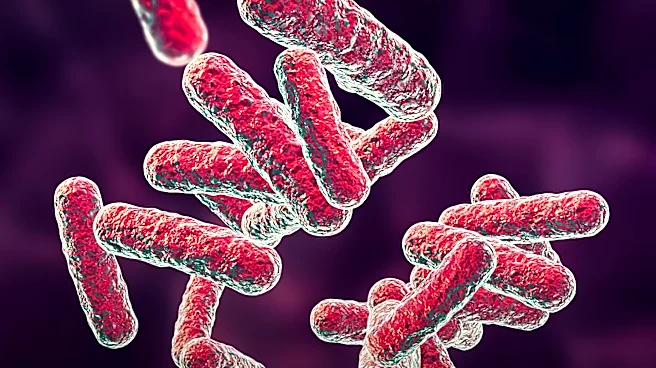
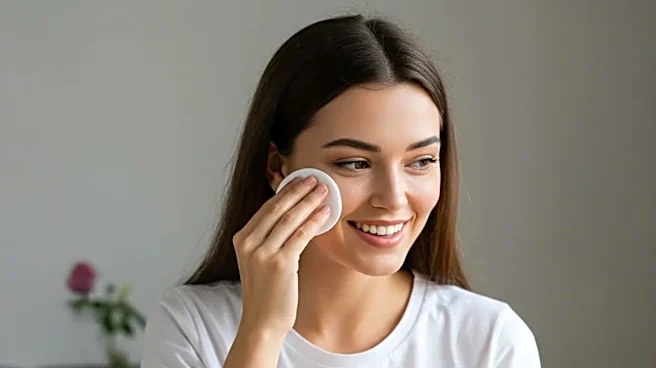
Infections are another potential contributing factor. Topical corticosteroids can increase the density of microorganisms in hair follicles, potentially leading to infections. While the role of specific infectious agents such as Candida species, Demodex folliculorum, and fusobacteria has not been definitively confirmed, they are considered potential causes. Bacterial infections appear more likely to lead to perioral dermatitis compared to yeast or parasitic infections. Cosmetics also play an important role, especially products containing petroleum, paraffin, or isopropyl myristate. Applying large quantities of moisturizing creams regularly can cause persistent hydration and occlusion of the skin barrier, irritating hair follicles and affecting the proliferation of skin flora. Combining night cream and foundation significantly increases the risk of perioral dermatitis, and physical sunscreens have also been associated with the condition. Other suspected factors include hormonal changes, oral contraceptives, gastrointestinal changes, fluoridated toothpaste, excessive wind or heat, wearing a veil, emotional stress, malabsorption, and latex gloves. The increased use of masks during the COVID-19 pandemic, coupled with stress, oily secretions, and decreased water intake, has also been linked to a rise in perioral dermatitis cases.
Pathophysiology and Prognosis
The pathophysiology of perioral dermatitis is linked to diseases of the hair follicle, a classification now included in the ICD-11. Histologically, it often resembles rosacea, with a lymphohistiocytic infiltrate and marked granulomatous inflammation. Perifollicular abscesses may be present in cases where pustules and papules are dominant. Recent discoveries suggest that damage to the skin barrier in the facial area may expose the skin to internal and external factors contributing to the condition's development. Perioral dermatitis is likely to resolve with short courses of antibiotics, but if left untreated, it can persist for years and become chronic. Improvement with tetracyclines is typically seen within four days, with significant improvement after two weeks. In severe cases, longer treatment periods may be necessary to achieve satisfactory cosmetic results. Sometimes, simply stopping external factors that contribute to the condition can lead to resolution.