









Sprains are injuries that affect the ligaments within a joint, often resulting from a sudden force that exceeds the joint's normal range of motion. Understanding the anatomy involved in sprains and the mechanisms by which these injuries occur is essential for effective treatment and prevention.
Anatomy of Ligaments
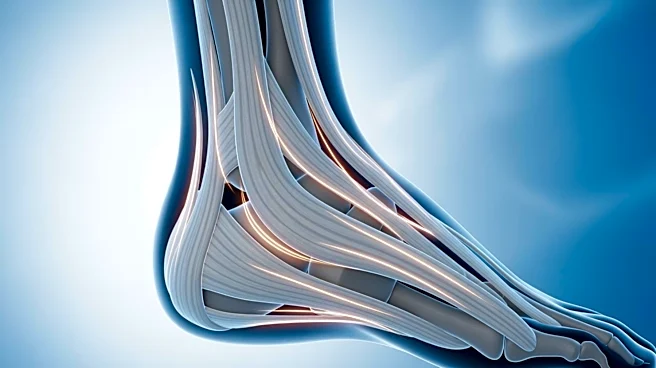
Ligaments are tough, inelastic fibers made of collagen that connect bones within a joint. They play a crucial role in maintaining joint stability and proprioception,
which is the body's sense of limb position and movement. Ligaments can be found in various organizational patterns, such as parallel, oblique, or spiral, depending on the function of the joint involved.
There are three types of ligaments based on their location: extra-capsular, capsular, and intra-articular. Extra-capsular ligaments are located outside the joint capsule, capsular ligaments are a continuation of the joint capsule, and intra-articular ligaments are located within the joint capsule. The location of the ligament has important implications for healing, as blood flow to intra-articular ligaments is diminished compared to extra-capsular or capsular ligaments.
Mechanism of Sprains
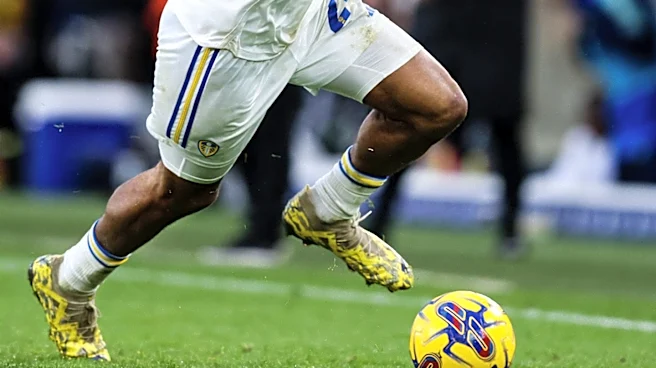
Sprains occur when the joint is abruptly forced beyond its functional range of motion. This can happen due to trauma, such as a fall or a direct blow to the joint, or during sports activities that involve rapid changes in direction, jumping, or contact with other players. The most common cause of sprains is repetitive movements, which can lead to overuse and strain on the ligaments.
The collagen fibers in ligaments have an elastic zone where they can stretch with increased load on the joint. However, exceeding this elastic limit causes a rupture of fibers, leading to a sprain. Ligaments adapt to training by increasing the cross-sectional area of fibers, but immobilization can rapidly weaken them. Normal daily activity is important for maintaining the mechanical properties of a ligament.
Implications for Healing
The severity of a sprain is classified into three degrees: mild, moderate, and severe. Mild sprains involve minor stretching of the ligament, while moderate sprains include partial tears. Severe sprains involve complete tears or ruptures, often leading to joint instability and severe pain. The healing process varies depending on the severity of the injury and the location of the ligament.
Understanding the anatomy and mechanism of sprains is crucial for effective treatment and prevention. By recognizing the factors that contribute to these injuries, individuals can take steps to protect their joints and maintain their overall health.