









The development of autonomous vehicles has been driven by a series of technological innovations that have transformed the way cars operate. From advanced sensors to sophisticated software, these innovations have enabled vehicles to navigate roads with minimal or no human input. This article explores the key technological advancements that have shaped the evolution of autonomous vehicles.
Sensor Technology and Perception Systems
One of the most critical components of autonomous vehicles is
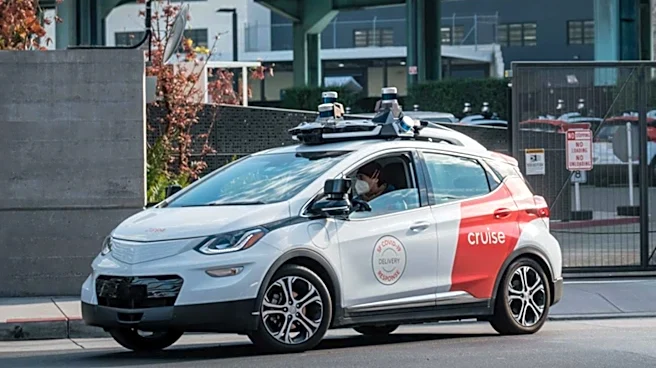
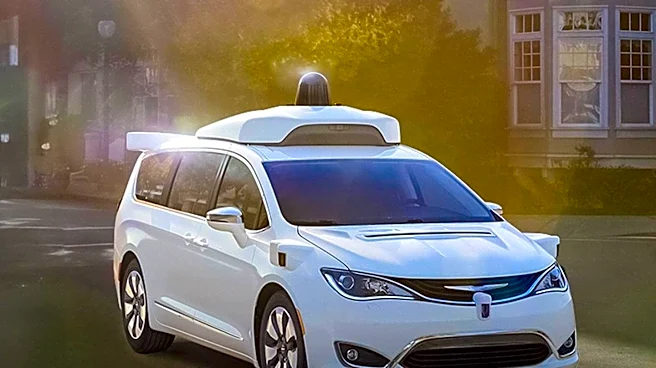
their ability to perceive the environment accurately. This is achieved through a combination of sensors, including cameras, radar, lidar, and sonar. These sensors work together to detect and identify objects, road conditions, and other vehicles, providing the data necessary for safe navigation.
Modern autonomous driving systems employ sensor fusion techniques, which combine data from multiple sensors to improve accuracy and reliability. This approach allows vehicles to operate effectively in various environmental conditions, such as rain or fog, where individual sensors might struggle. The integration of these sensors into a cohesive perception system is a significant technological achievement that has propelled the development of autonomous vehicles.
Advanced Software and Artificial Intelligence
The software that powers autonomous vehicles is another crucial element of their functionality. Advanced algorithms and artificial intelligence (AI) enable vehicles to interpret sensor data, make real-time decisions, and navigate complex environments. These systems are designed to handle a wide range of driving scenarios, from highway cruising to navigating busy city streets.
AI plays a vital role in the development of autonomous vehicles, as it allows for continuous learning and improvement. By analyzing vast amounts of data collected during testing and real-world operation, AI systems can refine their decision-making processes and enhance overall performance. This ongoing development is essential for achieving higher levels of autonomy and ensuring the safety and reliability of self-driving cars.
Mapping and Navigation Systems
Accurate mapping and navigation are fundamental to the operation of autonomous vehicles. These systems rely on detailed maps that provide information about lanes, intersections, and other road features. Some autonomous vehicles use highly detailed maps that reduce the scope of real-time decision-making, while others rely on the vehicle's perception system to fill in the details.
Global Navigation Satellite Systems (GNSS), such as GPS, are used for navigation by air, water, and land vehicles. Modern GNSS enhancement technologies, like real-time kinematic (RTK) and precise point positioning (PPP), enhance the accuracy of vehicle positioning to sub-meter level precision. This level of accuracy is crucial for autonomous navigation and decision-making, ensuring that vehicles can operate safely and efficiently.
As technology continues to advance, the potential for autonomous vehicles to transform transportation becomes increasingly apparent. The innovations in sensor technology, software, and navigation systems have laid the foundation for a future where self-driving cars are a common sight on our roads.