







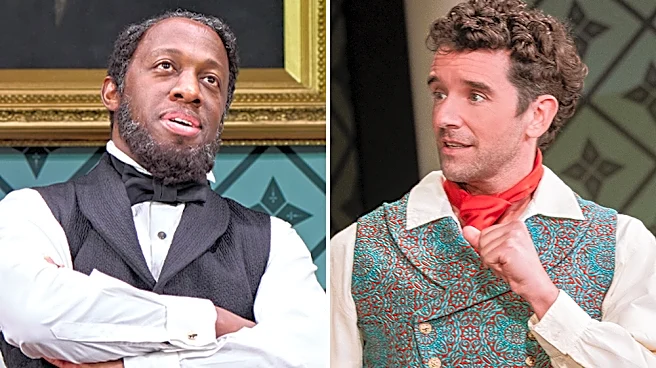


The play 'The Sisters Rosensweig,' written by Wendy Wasserstein, is a notable work that broke new ground by focusing on three middle-aged Jewish-American sisters. Its journey from off-Broadway to Broadway is a testament to its impact and popularity. Directed by Daniel J. Sullivan, the play premiered off-Broadway in 1992 and made a successful transition to Broadway in 1993, where it continued to captivate audiences until its closure in 1994.
Off-Broadway Premiere
'Wendy
Wasserstein's 'The Sisters Rosensweig' first opened at the Mitzi Newhouse Theater at Lincoln Center on October 22, 1992. This off-Broadway production ran for 149 performances, closing on February 28, 1993. The play was directed by Daniel J. Sullivan, who brought together a talented cast including Jane Alexander and Madeline Kahn. The off-Broadway run was a critical success, setting the stage for its eventual move to Broadway.
The play's focus on three middle-aged women was considered groundbreaking at the time, as it deviated from traditional theatrical norms. Wasserstein's ability to weave humor and empathy into the narrative resonated with audiences, making the play a standout piece in American theater. The off-Broadway production's success was a clear indicator of the play's potential for a larger audience.
Transition to Broadway
Following its successful off-Broadway run, 'The Sisters Rosensweig' transferred to Broadway at the Ethel Barrymore Theatre on March 18, 1993. The transition was seamless, with Daniel J. Sullivan continuing as director and most of the original cast reprising their roles. Notable changes included Christine Estabrook taking over the role of Pfeni from Frances McDormand.
The Broadway production ran for 556 performances, closing on July 16, 1994. The play's themes of love, self-definition, and fulfillment continued to resonate with audiences, contributing to its extended run. The Broadway version maintained the humor and empathy that characterized the off-Broadway production, ensuring its place as a beloved piece of theater.
Impact and Legacy
'Wendy Wasserstein's 'The Sisters Rosensweig' left a lasting impact on American theater. By focusing on the lives of middle-aged women, the play challenged traditional narratives and opened the door for more diverse stories on stage. Wasserstein's work was recognized with the William Inge Award for Distinguished Achievement in American Theatre, highlighting the play's significance.
The journey from off-Broadway to Broadway demonstrated the play's universal appeal and its ability to connect with audiences on a deeper level. 'The Sisters Rosensweig' remains a celebrated work, remembered for its humor, empathy, and groundbreaking focus on women's lives. Its success paved the way for future productions that continue to explore diverse narratives in theater.