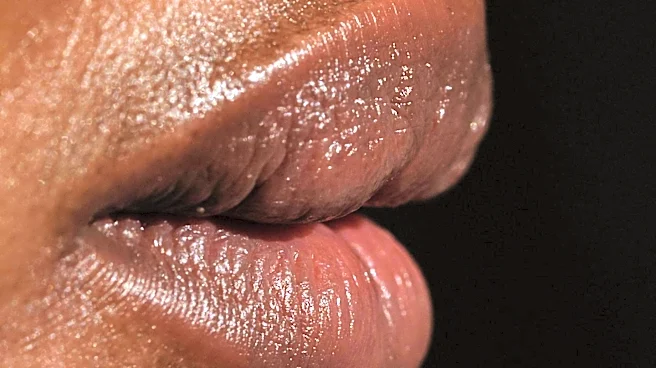






Perioral dermatitis, an inflammatory skin rash characterized by small bumps and redness around the mouth and nostrils, presents a puzzling challenge due to its unclear etiology. While the exact cause remains elusive, extensive research and clinical observations have identified several strong associations and potential triggers. These range from commonly used medications like corticosteroids to everyday cosmetic products and even environmental factors,
painting a complex picture of how this condition develops in individuals. Understanding these suspected causes is crucial for both prevention and effective management.
The Role of Corticosteroids: A Primary Suspect
One of the most significant and frequently cited associations with perioral dermatitis is the use of corticosteroids. These anti-inflammatory medications, designed to reduce swelling and redness, come in various forms, including topical creams, oral pills, and inhaled sprays. Clinical trials have consistently shown a correlation between corticosteroid use and the development of perioral dermatitis, though a direct causal link has not always been definitively confirmed. The strongest connection appears to be with topical corticosteroids, particularly those with higher potency. The chronic use of these steroids also seems to increase the risk of developing the condition.
An interesting and often frustrating aspect for patients is the phenomenon of "rebound flares" upon discontinuing corticosteroids. When topical steroids are abruptly stopped, the dermatitis can initially worsen, sometimes even more severely than the original condition. This can lead to a misconception that the steroids were effectively controlling the rash, when in fact, they were contributing to its persistence. To mitigate these rebound effects, a gradual reduction in corticosteroid use is often recommended. Beyond topical applications, perioral dermatitis has also been documented in individuals receiving oral corticosteroids, such as renal transplant recipients treated with both oral corticosteroids and azathioprine, highlighting the systemic impact these medications can have on skin health.
Cosmetics and Skin Barrier Dysfunction
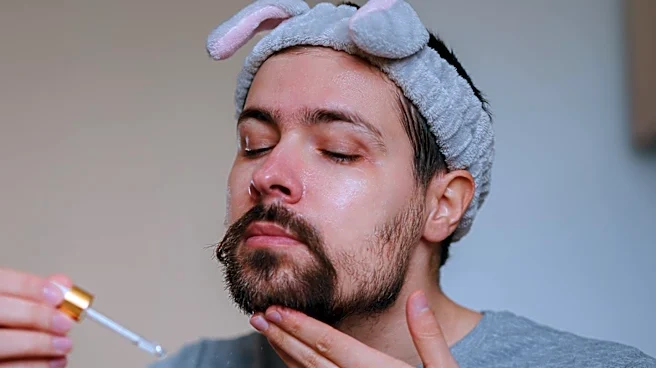
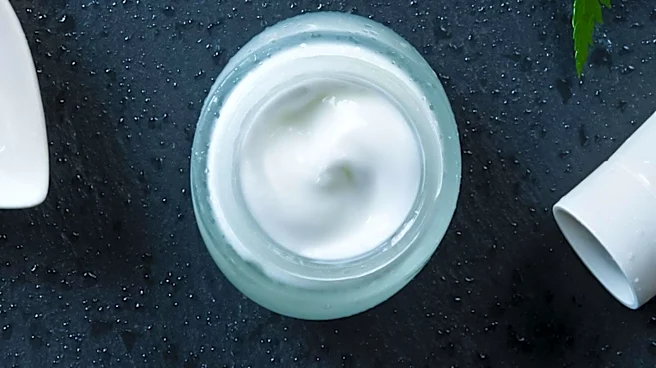
Cosmetics represent another major category of potential causal factors for perioral dermatitis. This includes a wide array of products applied to the face, such as moisturizers, foundations, and sunscreens. The risk is particularly heightened when these products contain ingredients like petroleum, paraffin, or isopropyl myristate. The mechanism is thought to involve the persistent hydration and occlusion of the skin's outer layer, which can impair its barrier function, irritate hair follicles, and alter the natural balance of skin flora.
Applying large quantities of moisturizing creams regularly can lead to this occlusion, where moisture is sealed in, potentially disrupting the skin's normal processes. This can affect the typical proliferation of skin flora, which are the natural bacteria and cells residing on the skin's surface. Transepidermal water loss, the process of water evaporating from the skin, has also been associated with perioral dermatitis, with some evidence suggesting it might be greater in older adults, though the condition affects younger individuals too. The combination of night cream and foundation, for instance, has been shown to significantly increase the risk of perioral dermatitis by as much as 13-fold, due to the creation of extra occlusive layers. Physical sunscreens have also been linked to the condition. While these are strong associations, it's important to note that the exact pathology is still unknown, and not everyone who uses these products will necessarily develop perioral dermatitis.
Infections and Other Contributing Factors
Infections are also considered potential contributors to perioral dermatitis. The use of topical corticosteroids, for example, can lead to an increase in the density of microorganisms within hair follicles. While microorganisms are naturally present on the body, corticosteroids can alter their type and quantity, potentially leading to an infection. Although the role of specific infectious agents like Candida species, Demodex folliculorum, and fusobacteria has not been definitively confirmed, they are being investigated as possible causes. Clinical trials suggest that bacterial infections may be more likely to lead to perioral dermatitis compared to yeast or parasitic infections.
Beyond steroids, cosmetics, and infections, numerous other factors are suspected to cause or worsen perioral dermatitis, though research demonstrating a link as strong as that with corticosteroids is still ongoing. Hormonal changes, for instance, may play a role, with oral contraceptives (birth control pills) being specifically mentioned due to their significant impact on hormonal balance. Gastrointestinal changes have also been linked to the condition. Environmental factors such as fluoridated toothpaste, excessive wind, or heat are believed to potentially exacerbate perioral dermatitis. Miscellaneous factors include emotional stress, malabsorption, and even latex gloves. The recent increase in mask-wearing during the COVID-19 pandemic, combined with elevated stress levels, increased oily secretions on the face, and decreased water intake, has also been cited as a factor contributing to a rise in cases.