





The Vietnam Veterans Memorial, a profound and moving tribute in Washington, D.C., stands as a testament to the sacrifices made during the Vietnam War. Its creation was not a simple undertaking but a journey initiated by a dedicated group of veterans and brought to life through a groundbreaking design competition. The memorial's unique aesthetic and powerful message have made it a central point for remembrance and reflection, honoring the more than
58,000 Americans who lost their lives or went missing in the conflict.
The Vision of Jan Scruggs and the VVMF
The idea for a national memorial to Vietnam veterans began with Jan Scruggs, a decorated infantry veteran of the war. Scruggs, deeply affected by his experiences and the lack of recognition for Vietnam veterans, conceived of a memorial that would acknowledge their service and sacrifice. In 1979, he founded the Vietnam Veterans Memorial Fund, Inc. (VVMF), a non-profit organization dedicated to building such a monument. The VVMF's mission was clear: to create a memorial that would be a place of healing and reconciliation, free from political statements about the war itself. Their efforts quickly gained momentum, securing land on the National Mall and initiating a design competition that would ultimately shape the memorial's iconic form.
Scruggs's personal commitment and the VVMF's tireless fundraising and advocacy were crucial to the project's success. They envisioned a memorial that would be apolitical, focusing solely on the individuals who served. This approach was vital in gaining broad support for the project, which was officially authorized by Congress in 1980. The VVMF's dedication ensured that the memorial would not only be built but would also embody a spirit of remembrance that transcended the divisive nature of the war.
The Design Competition and Maya Lin's Vision
To find a design that would fulfill their vision, the VVMF launched a national design competition open to all Americans. This competition attracted over 1,400 submissions, a testament to the widespread desire to honor Vietnam veterans. The winning design, chosen anonymously from these entries, belonged to Maya Lin, a 21-year-old architecture student at Yale University. Lin's design was revolutionary in its simplicity and emotional depth.
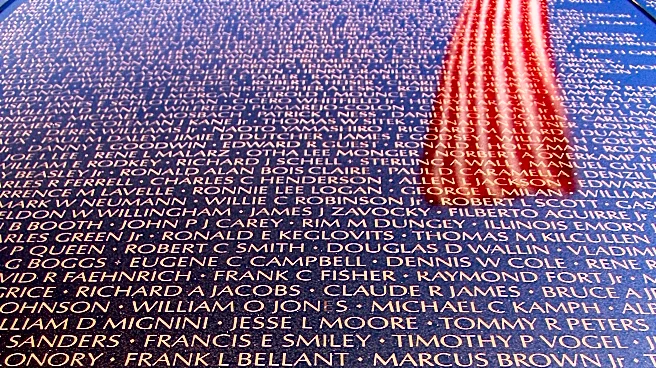
Her concept featured two long, polished black granite walls, set into the earth, meeting at a subtle angle. The walls would be inscribed with the names of all American service members who died or went missing in Vietnam, listed in chronological order of their casualty dates. This design was a departure from traditional heroic monuments, offering a contemplative and personal experience. The reflective surface of the granite, mirroring the sky and the faces of visitors, and the descending path into the earth, created a powerful sense of introspection and connection to the names etched on the wall. Lin's design was initially controversial for its unconventional nature, but its profound impact ultimately won over skeptics, leading to its construction and enduring legacy.
From Concept to Construction
Following the selection of Maya Lin's design, the process of bringing the memorial to fruition began. The site chosen for the memorial was a prominent location on the National Mall, near the Lincoln Memorial. Construction commenced with careful attention to detail, ensuring that Lin's vision was accurately translated into a physical structure. The polished black granite, sourced from India, was meticulously cut and engraved with the more than 58,000 names. The chronological listing of names was a deliberate choice, intended to create a "rift in time," allowing visitors to trace the progression of the war and the personal stories within it.
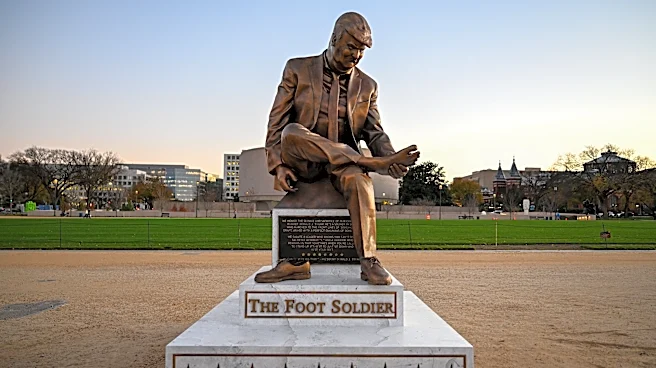
The dedication of the Vietnam Veterans Memorial took place in November 1982, marking a significant moment for the nation and its veterans. The memorial quickly became a powerful symbol of remembrance and healing, drawing millions of visitors annually. Its design, once a point of debate, is now widely recognized for its innovative approach to memorialization, offering a space for individual grief and collective memory. The memorial's success paved the way for other additions, including the Vietnam Women's Memorial and the Three Servicemen statue, further enriching the site's ability to honor all who served.