


Billy Sims, born on September 18, 1955, carved out a memorable, albeit brief, career as a professional football running back for the Detroit Lions. His journey to the NFL was marked by significant collegiate success, including winning the Heisman Trophy in 1978 while playing for the Oklahoma Sooners. Sims was highly touted, becoming the first overall pick in the 1980 NFL draft, a testament to his exceptional talent and potential. Over his five seasons
with the Lions, he quickly established himself as a dominant force, earning multiple Pro Bowl selections and leading his team to playoff appearances. However, his promising career was tragically cut short by a severe knee injury in 1984, leaving fans to wonder what more he could have achieved.
Early Promise and NFL Arrival
Sims entered the professional football scene with immense expectations, being selected as the first overall pick in the 1980 NFL Draft by the Detroit Lions. He immediately made an impact, earning the Offensive Rookie of the Year award in 1980 and leading the NFL in rushing touchdowns that same year. His rookie season also saw him earn a Second-team All-Pro selection and his first of three consecutive Pro Bowl nods, demonstrating his immediate transition from college star to NFL standout. His dynamic play style quickly made him a fan favorite and a central figure in the Lions' offense.
Throughout his early career, Sims continued to rack up accolades. He was selected for the Pro Bowl in 1980, 1981, and 1982, and earned a First-team All-Pro selection in 1981. These achievements underscored his consistent performance and his status as one of the league's premier running backs. His ability to gain significant yardage both rushing and receiving made him a versatile threat, contributing substantially to the Lions' offensive strategies during his tenure.
Playoff Contention and Memorable Moments
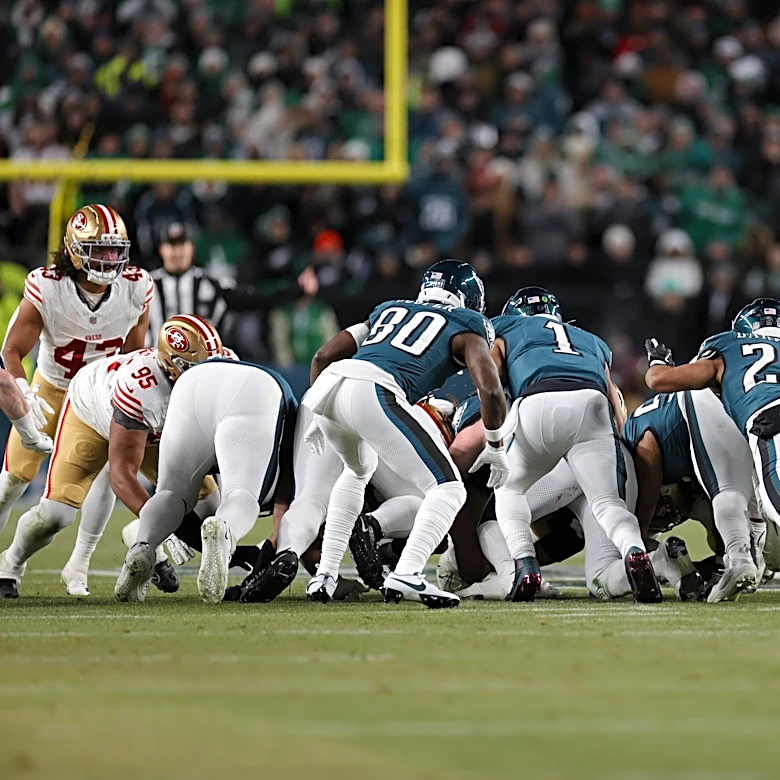
Billy Sims was instrumental in leading the Detroit Lions to playoff appearances in both 1982 and 1983. Although the team was defeated in the first round on both occasions, Sims's individual performances often stood out. The 1983 playoff game against the San Francisco 49ers at Candlestick Park was particularly notable. Sims rushed for 114 yards on 20 carries, showcasing his ability to perform under pressure in critical games. Despite his efforts, the 49ers, led by Joe Montana, mounted a comeback victory, with the Lions' kicker Eddie Murray missing a field goal in the final moments of the game.
Beyond his statistical achievements, Sims was known for his distinctive and aggressive playing style. He earned the nickname "Kung Fu Billy Sims" from ESPN's Chris Berman after a memorable play during a game against the Houston Oilers. Rather than succumbing to a tackle, Sims famously ran, jumped, and, while airborne, struck an Oilers defender with a kick to the head. This moment encapsulated his fierce determination and unconventional approach to avoiding defenders, further cementing his legendary status among fans.
An Abrupt End and Lasting Legacy
Sims's career came to an unfortunate and abrupt end midway through the 1984 season. He suffered a catastrophic knee injury during a game against the Minnesota Vikings, forcing his premature retirement from professional football. In his brief five-year career, Sims accumulated 5,106 rushing yards on 1,131 carries, averaging 4.5 yards per carry. He also proved to be a capable receiver, catching 186 passes for 2,072 yards, averaging 11.1 yards per reception.
Despite the brevity of his career, Billy Sims remains a beloved sports figure in Detroit. His impact was so significant that his jersey number, 20, was later worn by another Lions legend, Barry Sanders, five years after Sims's retirement. The number 20 is now officially retired by the Lions in honor of a "Triumvirate" of the team's greatest modern-era players who wore it, a group that also includes Hall of Fame defensive back Lem Barney. This enduring recognition highlights the profound and lasting impression Sims made on the franchise and its fanbase.