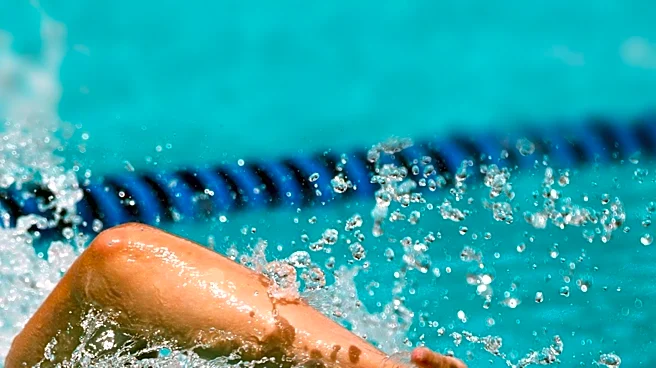







Competitive swimming is not only a thrilling sport but also a highly beneficial physical activity. It offers numerous health advantages while also posing certain risks of injury. This article explores the health benefits of swimming and the common injuries that swimmers may encounter, providing insights into how athletes can maximize their well-being while minimizing risks.
Health Benefits of Swimming
Swimming is a low-impact exercise that provides a full-body workout, making
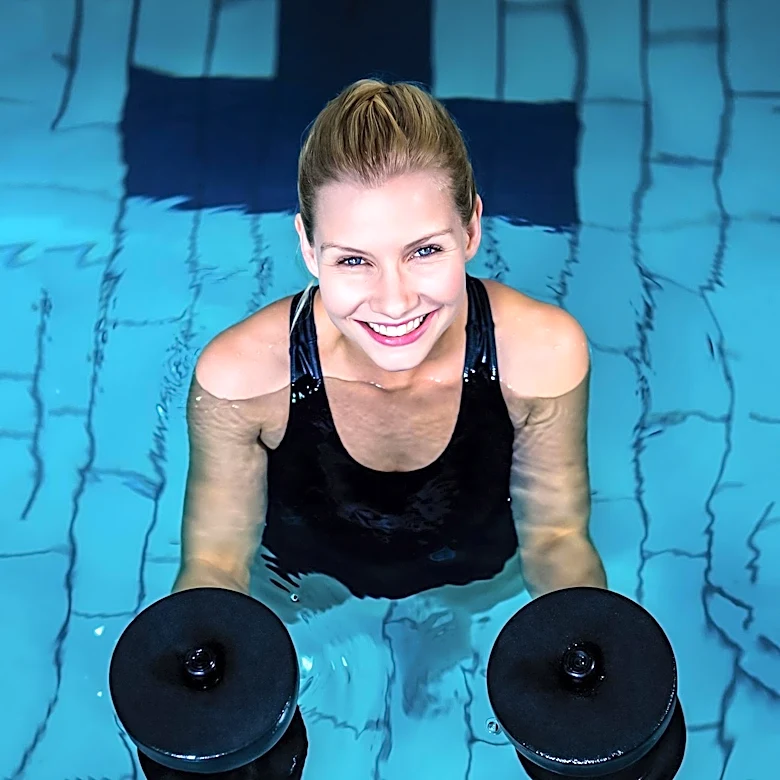
it suitable for people of all ages and fitness levels. It builds endurance, muscle strength, and cardiovascular fitness, contributing to overall physical health. The buoyancy of water reduces stress on joints, making swimming an ideal activity for those with injuries or conditions like arthritis.
In addition to physical benefits, swimming is known to improve mental health. It can reduce stress, anxiety, and depression, offering a meditative experience that promotes relaxation and mental clarity. The rhythmic nature of swimming allows for increased blood flow to the brain, enhancing cognitive function and emotional well-being.
Common Injuries in Swimming
Despite its benefits, competitive swimming can lead to injuries, particularly due to repetitive motions and overuse. The most common injury is rotator cuff tendinopathy, affecting the shoulder due to the repetitive overhead arm movements in all four strokes. Swimmers may experience pain and inflammation, which can be exacerbated by poor technique or excessive training.
Another frequent injury is swimmer's knee, often seen in breaststroke swimmers. The unique kicking motion of the breaststroke can cause wear and tear on the knee joint, leading to pain and discomfort. Early detection and proper technique are crucial in preventing these injuries from becoming chronic.
Prevention and Management
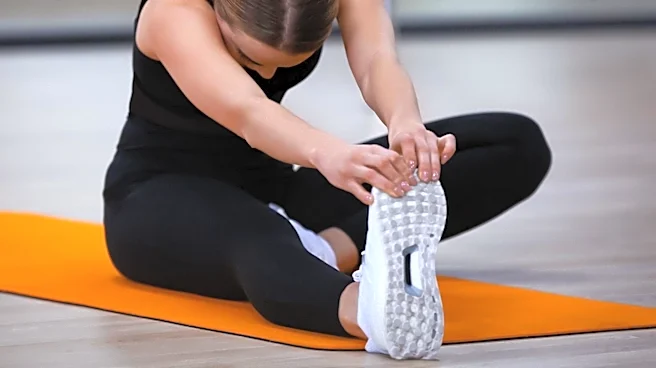
Preventing swimming injuries involves a combination of proper technique, adequate rest, and strength training. Swimmers should focus on maintaining good form and gradually increasing their training intensity to avoid overuse. Regular warm-ups, stretching, and strength exercises can help protect vulnerable areas like the shoulders and knees.
In the event of an injury, rest and rehabilitation are essential. Swimmers should allow sufficient time for recovery and seek professional guidance to address any underlying issues. Returning to the pool too soon can lead to further damage and prolonged recovery periods.
In summary, competitive swimming offers a wealth of health benefits but also requires careful attention to prevent injuries. By understanding the risks and taking proactive measures, swimmers can enjoy a long and healthy career in the sport, reaping the rewards of this dynamic and fulfilling activity.