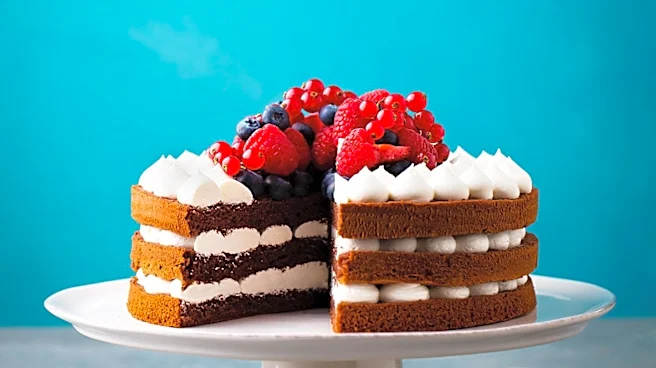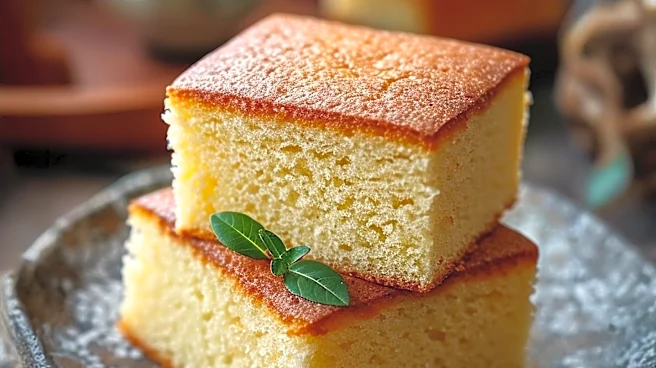

The sponge cake, a culinary staple known for its remarkably light and airy texture, derives its name from this very characteristic, resembling a sponge. This distinctive quality is not accidental but rather
the result of specific ingredients and a precise preparation method that has been refined over centuries. Understanding the components and techniques involved reveals the artistry behind creating this beloved dessert, which is often enjoyed as a sweet treat or with a cup of tea.
Core Ingredients and Their Roles
The foundation of a classic sponge cake relies on a relatively simple set of ingredients, each playing a crucial role in achieving its signature lightness. The primary components include eggs, powdered sugar, margarine or unsalted butter, and wheat flour. While these seem straightforward, their interaction and the way they are combined are key to the cake's success. Eggs, particularly the whites, are vital for aeration, contributing significantly to the cake's structure and volume. Sugar not only sweetens but also aids in tenderizing the crumb and stabilizing the egg foam.
Fats like margarine or unsalted butter add richness and moisture, while wheat flour provides the necessary structure to hold the air incorporated during mixing. Beyond these basics, cocoa powder can be included for flavor, and various other flavorings or colorings might be added depending on the specific dessert being prepared. For example, these additions could transform a basic sponge into a coffee cake or a vibrant rainbow cake, demonstrating the versatility inherent in the core recipe.
The Science of Lightness: Mixing Techniques
The secret to the sponge cake's airy texture lies largely in its preparation, particularly the initial mixing steps. The process begins with the thorough mixing of butter and sugar. This creaming method is fundamental: as the butter and sugar are beaten together, tiny air pockets are incorporated into the mixture. The sharp edges of the sugar crystals cut into the fat, creating these air cells, which are then expanded by leavening agents (often just the air itself, or sometimes baking powder, though not explicitly mentioned as a classic ingredient here) and steam during baking.
This initial aeration is critical because it sets the stage for the cake's final volume and delicate crumb. Without sufficient air incorporated at this stage, the cake would be dense and heavy, losing its characteristic "sponge" quality. The subsequent addition of eggs and flour must be done carefully to retain as much of this trapped air as possible, ensuring the final product is light and tender.
Baking and Cooling for Optimal Results
Once the batter is prepared, the baking process is relatively quick, typically lasting around 20 minutes. The heat of the oven causes the trapped air and moisture in the batter to expand, further lifting the cake and setting its structure. The term