






Acetic acid, also known systematically as ethanoic acid, is a fundamental organic compound with the chemical formula CH3COOH. It is an acidic, colorless liquid that is perhaps most familiar as the active component of vinegar, giving it its characteristic sour taste and smell. Historically, acetic acid was likely the first acid to be produced in large quantities, with vinegar production dating back to the third millennium BCE. Today, its production is a massive
global industry, driven by both natural fermentation and sophisticated synthetic processes.
Chemical Nature and Structure
Acetic acid is classified as a carboxylic acid. Its acidic character stems from the release of a proton (H+) in aqueous solution, giving it a pKa value of 4.76. The conjugate base of acetic acid is acetate (CH3COO-). The acidity of vinegar, which is a dilute solution of acetic acid, typically ranges from 4% to 18% by volume in the UK, with traditional vinegars for human consumption usually falling between 4.5% and 7% acidity, corresponding to a pH range of 2.38 to 3.76.An interesting form of acetic acid is "glacial acetic acid," which refers to the water-free (anhydrous) version. This name, similar to the German "Eisessig" (ice vinegar), comes from the ice-like crystals that form when it solidifies slightly below room temperature, specifically at 16.6 °C (61.9 °F). The presence of even a small amount of water significantly affects its melting point; for instance, 0.1% water lowers it by 0.2 °C, illustrating the importance of its anhydrous state for certain applications.
Industrial Production Methods
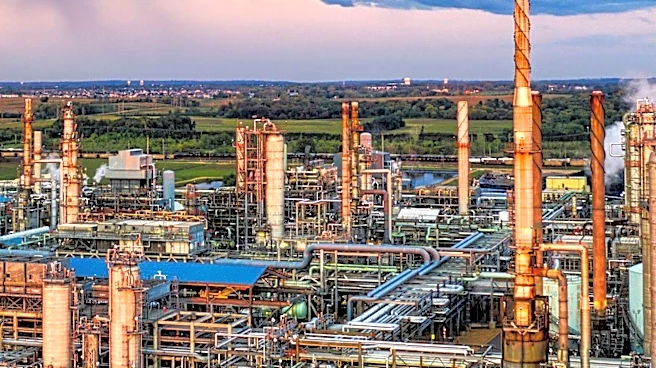
The global demand for acetic acid is substantial, reaching approximately 17.88 million metric tonnes per year as of 2023. About 75% of the acetic acid used in the chemical industry is produced synthetically through the carbonylation of methanol. This process involves methanol and carbon monoxide reacting to form acetic acid, typically using iodomethane as an intermediate and requiring a metal carbonyl catalyst. Early attempts at methanol carbonylation faced challenges due to corrosive reaction mixtures and high pressures, but advancements in catalysis, particularly with rhodium-based catalysts in the Monsanto process and later iridium-based catalysts in the Cativa process, made it commercially viable. The Cativa process, developed in the late 1990s, is considered greener and more efficient, largely supplanting the Monsanto process.While synthetic routes dominate industrial production, biological methods remain crucial, especially for vinegar. Acetic acid bacteria, primarily from the genus Acetobacter, produce acetic acid through oxidative fermentation of sugars or ethanol. This natural process is responsible for vinegar formation and is still vital for food-grade vinegar due to food purity regulations. Modern industrial vinegar production accelerates this natural process by optimizing oxygen supply to the bacteria, allowing for the creation of vinegars with up to 20% acetic acid in a matter of days.