


Diplomatic efforts to resolve the Gulf crisis in 1990 were extensive but ultimately unsuccessful, leading to the Gulf War. The international community, including the United Nations, sought to address the situation through peaceful means. However, these efforts did not prevent the escalation to military conflict. This article explores the diplomatic maneuvers and their failure to avert war.
The Build-Up to Conflict
In the months leading up to the Gulf War, diplomatic channels
were actively engaged in trying to resolve the crisis. The invasion of Kuwait by Iraq on August 2, 1990, was a significant breach of international law, prompting a swift response from the global community. The United Nations Security Council passed several resolutions condemning Iraq's actions and demanding an immediate withdrawal from Kuwait. Despite these resolutions, Iraq remained defiant, and diplomatic efforts intensified.
The United States and other nations worked tirelessly to build a coalition to pressure Iraq into compliance. Diplomatic negotiations were held with various countries to gain support for potential military action if Iraq did not withdraw. The coalition aimed to present a united front, emphasizing the importance of upholding international law and the sovereignty of nations.
The Role of the United Nations
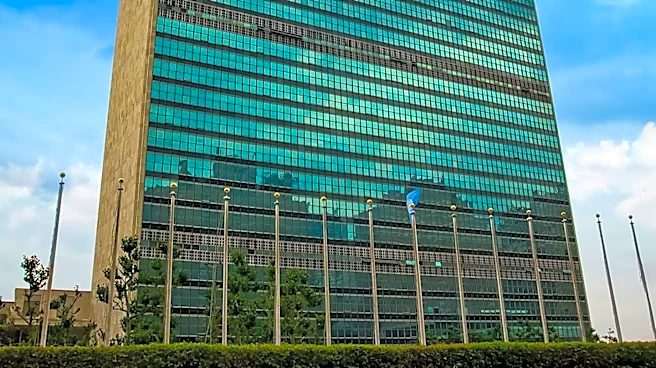
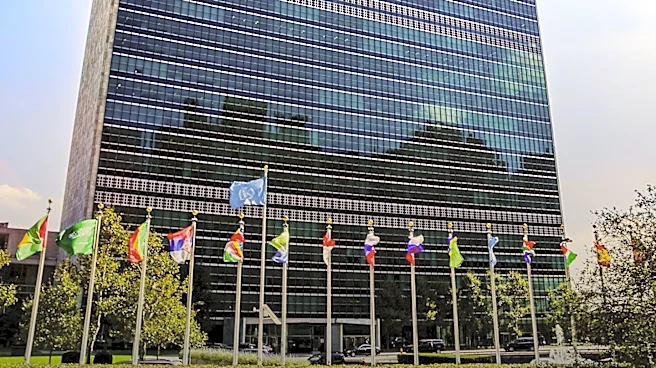
The United Nations played a central role in the diplomatic efforts to resolve the Gulf crisis. The Security Council passed a series of resolutions, including Resolution 660, which condemned the invasion and demanded Iraq's immediate withdrawal. Subsequent resolutions imposed economic sanctions on Iraq, aiming to pressure Saddam Hussein's regime into compliance without resorting to military action.
Despite these measures, Iraq continued to resist international demands. The UN's diplomatic efforts were further complicated by Iraq's strategic use of hostages, including foreign nationals, as a bargaining tool. This tactic strained diplomatic relations and increased tensions, making a peaceful resolution increasingly unlikely.
The Shift to Military Action
As diplomatic efforts stalled, the international community faced the difficult decision of whether to use military force. The United Nations authorized the use of force against Iraq if it did not withdraw from Kuwait by January 15, 1991. This ultimatum marked a turning point, as it became clear that diplomatic means alone would not resolve the crisis.
On January 16, 1991, coalition forces launched Operation Desert Storm, initiating an extensive air campaign against Iraq. The failure of diplomatic efforts underscored the challenges of resolving international conflicts through peaceful means, particularly when faced with a regime unwilling to negotiate. The Gulf War serves as a reminder of the complexities of diplomacy and the potential consequences when it fails.