



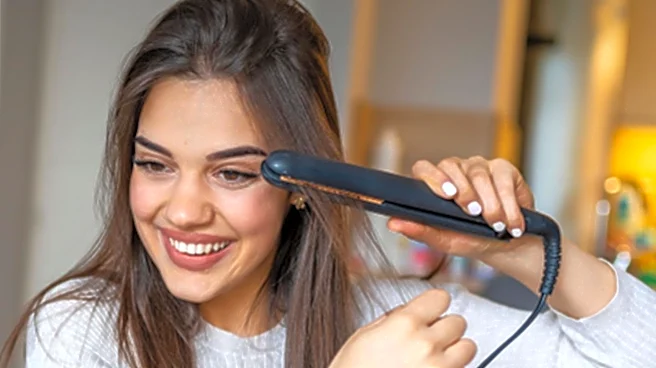
Curling irons, also known as curling tongs, are essential tools for anyone looking to create waves or curls in their hair. These devices utilize heat to temporarily alter the hair's structure, offering a wide range of styling possibilities. The effectiveness and results of a curling iron largely depend on its specific design, including the materials it's made from, the shape of its barrel, and the type of handle it features. Understanding these variations
can help users choose the right tool for their desired hairstyle and hair type.
Diverse Materials for Optimal Styling
The construction material of a curling iron's barrel plays a significant role in its performance, affecting heat distribution, durability, and how smoothly it glides through hair. Common materials include ceramic, metal, Teflon, titanium, and tourmaline. Ceramic is often favored for its ability to distribute heat evenly, which can help reduce hot spots and minimize damage to the hair. Metal, while effective, might not offer the same even heat distribution as ceramic. Teflon provides a smooth surface, reducing friction and snagging. Titanium is known for its durability and ability to heat up quickly, while tourmaline often incorporates negative ions to help seal the hair cuticle, resulting in smoother, shinier curls.
These materials are chosen to cater to different hair types and styling needs. For instance, materials that provide consistent, gentle heat are often preferred for fine or damaged hair, while those that heat quickly and maintain high temperatures might be better suited for thick or coarse hair that is harder to curl. The choice of material directly impacts the styling experience and the health of the hair.
Barrel Shapes and Diameters for Varied Curls
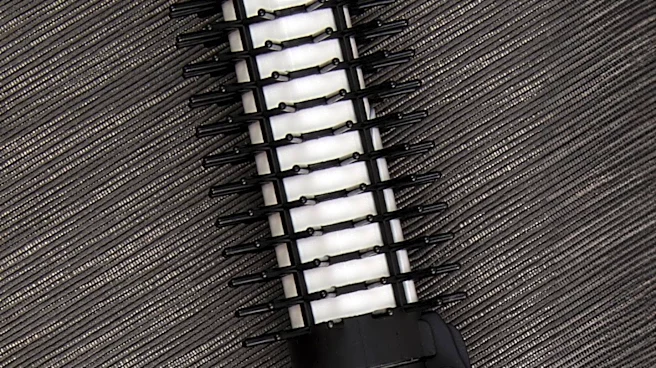
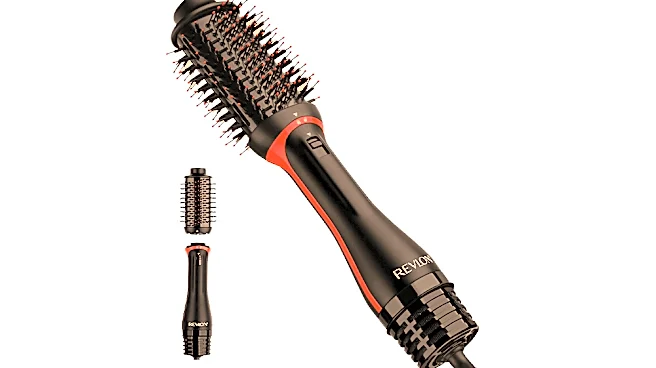
The shape and diameter of a curling iron's barrel are critical in determining the type of curl or wave it produces. Barrels can come in several shapes, including cone, reverse cone, or cylinder. A cylindrical barrel creates uniform curls from root to tip, while a conical barrel, which tapers from wider to narrower, produces curls that are tighter at the ends and looser near the roots. A reverse cone barrel does the opposite, creating looser curls at the ends and tighter ones near the roots. Some irons also feature brush attachments or double and triple barrels, allowing for more specialized styling effects, such as creating multiple waves simultaneously.
The diameter of the barrel is equally important. Curling irons are available with barrel diameters ranging from 0.5 inches (1.3 cm) to 2 inches (5.1 cm). Smaller barrels, typically those around 0.5 inches, are ideal for creating tight spiral curls or defined ringlets. In contrast, larger barrels, such as those measuring 2 inches, are used to add shape and volume to a hairstyle, producing looser waves or a softer bend rather than tight curls. This variety allows users to achieve a wide array of looks, from bouncy ringlets to voluminous, flowing waves.
Handle Designs and User Experience
The handle design of a curling iron significantly impacts its ease of use and the overall styling experience. There are three primary types of handles: clipless, Marcel, and spring-loaded. Spring-loaded handles are the most popular, featuring a spring mechanism that operates a clamp to hold the hair in place. This design offers convenience and control, making it easy for users to secure sections of hair.
Marcel handles, on the other hand, require the user to manually apply pressure to the clamp, offering a more hands-on approach that some professional stylists prefer for greater control. Clipless wands, as their name suggests, have no clamp; users simply wrap their hair around the heated rod. To prevent burns when using clipless wands, most models come with a Kevlar glove, highlighting a focus on user safety. These different handle designs cater to various preferences and skill levels, ensuring there is a curling iron suitable for every user.