




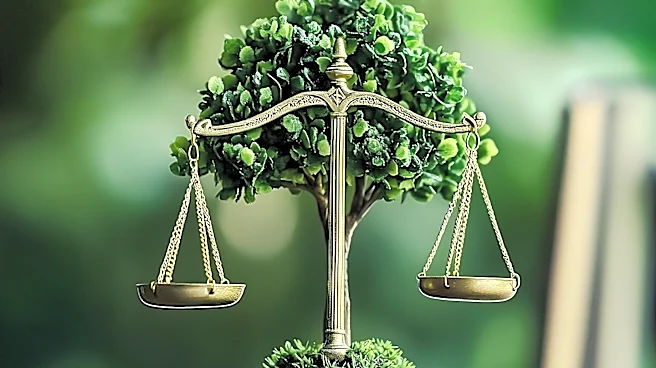
The public domain and intellectual property rights represent two sides of the same coin, each playing a vital role in the creative and scientific landscape. While intellectual property rights protect creators' interests, the public domain ensures that works eventually become accessible to all. This article examines the delicate balance between private ownership and public access, exploring how the public domain interacts with intellectual property.
Intellectual Property Rights
Intellectual property rights, including copyright, patents, and trademarks, grant creators exclusive control over their works for a limited time. These rights incentivize innovation by allowing creators to benefit financially from their creations. Copyright law, for instance, provides authors with the ability to control the reproduction, distribution, and adaptation of their works, ensuring they can profit from their intellectual labor.
However, these rights are not perpetual. Once the term of protection expires, works enter the public domain, becoming freely accessible to the public. This transition is crucial for maintaining a balance between rewarding creators and ensuring that cultural and scientific advancements are not permanently locked away from public use.
The Public Domain as a Negative Space
The public domain is often described as a 'negative space' within intellectual property law, consisting of works that are no longer protected by copyright. Legal scholar James Boyle equates the public domain to public property, contrasting it with copyrighted works as private property. This perspective highlights the importance of the public domain in providing a sanctuary for creative expression free from private appropriation.
The public domain allows for the unrestricted use of works, enabling individuals to reference, adapt, and build upon them without seeking permission or paying royalties. This freedom is essential for fostering creativity and innovation, as it provides a foundation for new works and ideas to emerge.
Balancing Private and Public Interests
The relationship between the public domain and intellectual property rights is a balancing act. While intellectual property rights protect creators' interests, the public domain ensures that works eventually become part of the collective cultural and scientific heritage. This balance is vital for promoting both individual creativity and societal progress.
As copyright terms extend, the size of the public domain may shrink, potentially limiting access to works that could inspire new creations. However, initiatives like Creative Commons licenses and public domain marks help identify and promote works that are free from copyright restrictions, ensuring that the public domain continues to thrive.
Ultimately, the interplay between intellectual property rights and the public domain underscores the need for a legal framework that supports both private ownership and public access. By maintaining this balance, society can ensure that creativity and innovation continue to flourish.