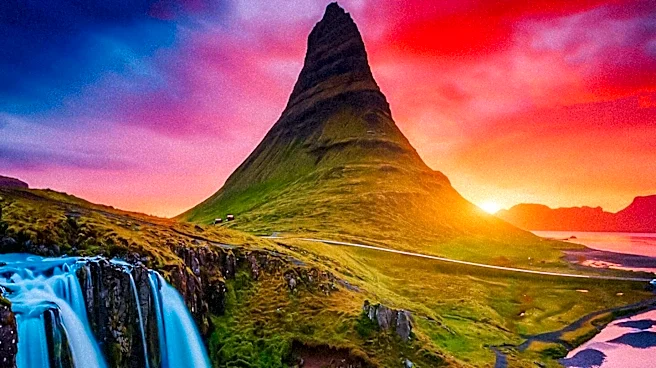


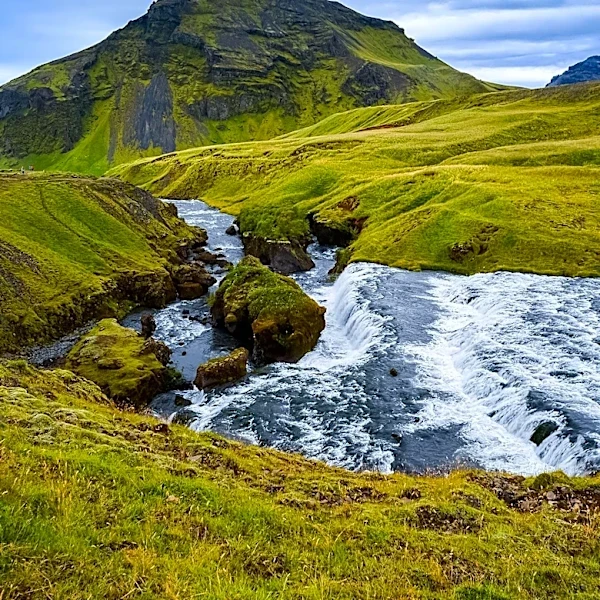


Iceland is a land of breathtaking natural wonders, from its majestic glaciers to its active volcanoes and geothermal springs. These landscapes are not only visually stunning but also hold deep cultural and symbolic significance for the people of Iceland. This article delves into the cultural impact of Iceland's natural features and how they shape the nation's identity.
Glaciers and Their Symbolic Meaning
Glaciers are a defining feature of Iceland's landscape, covering over 11% of the
island's surface. These massive ice formations, such as Vatnajökull, are more than just geographical landmarks; they are symbols of Iceland's resilience and endurance. The glaciers represent the island's ability to withstand harsh climates and environmental challenges, embodying the strength and perseverance of its people.
The cultural significance of glaciers is reflected in Icelandic folklore and literature, where they are often depicted as powerful and mystical entities. The glaciers serve as a reminder of the island's natural beauty and the importance of preserving its environment. Efforts to monitor and protect these ice formations are crucial for maintaining Iceland's ecological balance and cultural heritage.
Volcanoes and Geothermal Springs
Iceland's volcanic activity is another key aspect of its natural landscape, with the island sitting atop the Mid-Atlantic Ridge. The presence of active volcanoes, such as Hekla and Eldfell, has shaped Iceland's terrain and influenced its cultural identity. Volcanic eruptions are seen as both destructive and creative forces, capable of transforming the land and providing fertile soil for new growth.
Geothermal springs, like the famous Geysir and Strokkur, are a testament to Iceland's geothermal energy and its role in shaping the island's culture. These natural phenomena are celebrated for their beauty and power, attracting tourists and inspiring local traditions. The geothermal energy harnessed from these springs is a vital resource for Iceland, providing heating and electricity to its inhabitants.
The Northern Lights and Cultural Inspiration
The Northern Lights, or Aurora Borealis, are a captivating natural phenomenon visible in Iceland's night sky. These vibrant displays of color and light have inspired countless artists, writers, and musicians, becoming a symbol of Iceland's creative spirit. The Northern Lights are often associated with magic and wonder, reflecting the island's mystical allure.
Icelandic culture is deeply connected to its natural environment, with the Northern Lights serving as a source of inspiration and pride. The phenomenon is celebrated in local festivals and events, highlighting the island's unique position as a prime location for viewing this celestial spectacle. The Northern Lights are a reminder of the beauty and mystery of Iceland's natural world, enriching the cultural tapestry of the nation.