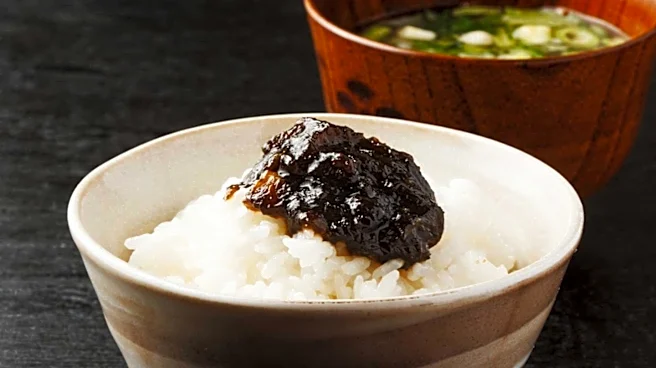











Japanese cuisine is a rich tapestry woven from centuries of tradition, cultural exchange, and innovation. From its early roots in rice cultivation to the modern fusion dishes that grace tables worldwide, Japanese food has evolved significantly. This article delves into the historical journey of Japanese cuisine, highlighting key milestones and transformations that have shaped its current form.
Early Beginnings and Influences
The origins of Japanese cuisine can be traced back to the
Jōmon period, where the shift from a hunter-gatherer lifestyle to agriculture marked a significant change. Rice, introduced from China around the third century BCE, became a staple, symbolizing sustenance and prosperity. During the Kofun period, Chinese cultural influences permeated Japan, introducing Buddhism and dietary taboos against meat consumption. This era saw the rise of vegetarian practices, with fish and rice forming the core of Japanese meals.
As Japan entered the Heian period, the culinary landscape began to refine. Nobility embraced chopsticks and dining tables, while tea, brought by Buddhist monks from China, gained popularity. The Heian era marked a shift towards individuality in cooking, with experienced chefs developing unique recipes. Banquets became lavish affairs, showcasing the sophistication of Japanese culinary arts.
The Samurai Era and Culinary Simplicity
The Kamakura period ushered in a new political order, with the samurai class rising to power. This shift influenced the culinary scene, as samurai cuisine emphasized simplicity and substance over ceremony. The honzen-ryōri banquet style emerged, focusing on practicality and nourishment. The Buddhist vegetarian philosophy strengthened, leading to legal discrimination against those involved in animal slaughter.
During the Edo period, sushi evolved into a fast food, with vinegar replacing fermentation. Nigirizushi, invented by Hanaya Yohei, became popular in Edo, showcasing the ingenuity of Japanese chefs. This era also saw the introduction of conveyor belt sushi, revolutionizing the dining experience and making sushi accessible to the masses.
Modern Innovations and Global Influence
The Meiji Restoration marked a turning point, as Japan embraced Western ideas, including culinary practices. Yōshoku, a style of Western-influenced cooking, emerged, incorporating meat and European techniques. Dishes like curry rice and tonkatsu became staples, blending Japanese and Western flavors.
Today, Japanese cuisine is celebrated globally, with sushi and ramen leading the charge. The addition of Japanese cuisine to the UNESCO Intangible Heritage List in 2013 underscores its cultural significance. As chefs continue to innovate, Japanese food remains a dynamic and evolving art form, cherished by people worldwide.