






Microsoft's acquisition of Activision Blizzard, a monumental event in the video game industry, spanned nearly two years from its initial announcement to its final completion. This timeline details the significant milestones, financial aspects, and regulatory hurdles that characterized this historic deal, which ultimately saw Activision Blizzard become a sibling division to Xbox Game Studios and ZeniMax Media under Microsoft Gaming.
The journey began
with a bold declaration and navigated through complex international regulatory reviews, demonstrating the intricate processes involved in such a large-scale corporate merger. The total cost of the acquisition, initially announced at $68.7 billion, eventually amounted to $75.4 billion, making it the most expensive video game-related acquisition to date.
Initial Announcement and Shareholder Approval
On January 18, 2022, Microsoft publicly announced its intention to acquire Activision Blizzard for $68.7 billion in an all-cash deal, valuing shares at approximately $95 each. This news immediately sent Activision Blizzard's stock price soaring, jumping nearly 40% in pre-market trading that day. The proposed acquisition was poised to transform the global gaming landscape, positioning Microsoft as the third-largest gaming company worldwide and the largest in the Americas, behind Chinese giant Tencent and Japanese conglomerate Sony.
Following the announcement, the deal quickly moved towards internal approvals. Activision Blizzard's shareholders demonstrated overwhelming support for the merger, approving the acquisition near-unanimously in April 2022. This early approval from shareholders was a crucial step, signaling confidence in the merger's potential and setting the stage for the subsequent, more challenging, phase of regulatory reviews across various international jurisdictions.
Navigating Global Regulatory Reviews
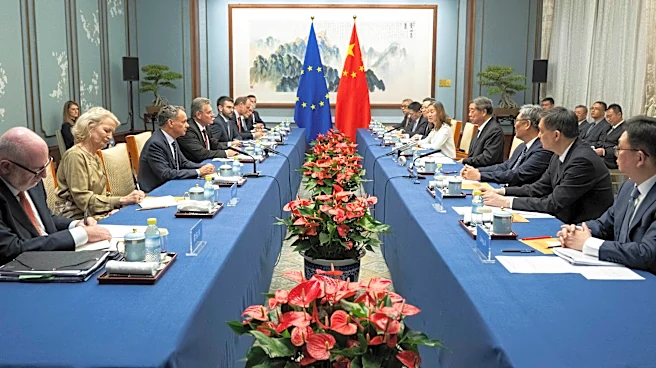
The sheer scale of the acquisition necessitated review by numerous national anti-trust bodies around the world. While several countries, including the European Union and China's State Administration for Market Regulation (SAMR), granted early approvals, the path was not entirely smooth. The United States' Federal Trade Commission (FTC) and the United Kingdom's Competition and Markets Authority (CMA) emerged as the primary challengers, initiating formal legal procedures due to concerns about potential anti-competitive impacts.
The European Commission, after a formal notification from Microsoft in September 2022, conducted its review and ultimately approved the acquisition on May 15, 2023. This approval came after Microsoft made concessions, including agreements to bring *Call of Duty* to the Nintendo platform and provide Activision Blizzard games to Nvidia's GeForce Now streaming service for ten years. The Commission dismissed concerns about platform exclusivity, reasoning it would not be financially viable for Microsoft to withhold *Call of Duty* from other platforms.
Overcoming Final Hurdles and Completion
The challenges posed by the FTC and CMA were significant. The FTC eventually withdrew its request for an injunction after courts did not find its anti-trust arguments compelling. In the UK, the CMA initially ruled against the merger in April 2023, citing concerns about Microsoft's strong position in cloud gaming. To appease the CMA, Microsoft offered a substantial concession in August 2023: a 15-year agreement with Ubisoft to license Activision Blizzard titles for cloud gaming services, including the ability for Ubisoft to sub-license these rights to other competitors.
This revised proposal led the CMA to provisionally approve the deal in September 2023, with full approval following on October 13, 2023. With the final regulatory hurdles cleared, Microsoft completed the acquisition of Activision Blizzard on the very same day, October 13, 2023. This marked the culmination of a nearly two-year process, integrating Activision Blizzard into Microsoft's Gaming business unit alongside Xbox Game Studios and ZeniMax Media, and solidifying Microsoft's position as a major force in the global gaming industry.