








The 1918 season was a notable year for the Pittsburgh Pirates, marking their 37th season as a franchise and their 32nd in the National League. Despite the challenges of the time, the Pirates managed to secure a respectable fourth-place finish in the league standings. This article delves into the team's performance, management, and the environment in which they played.
Season Performance
The Pittsburgh Pirates ended the 1918 season with a record of 65 wins and 60 losses.
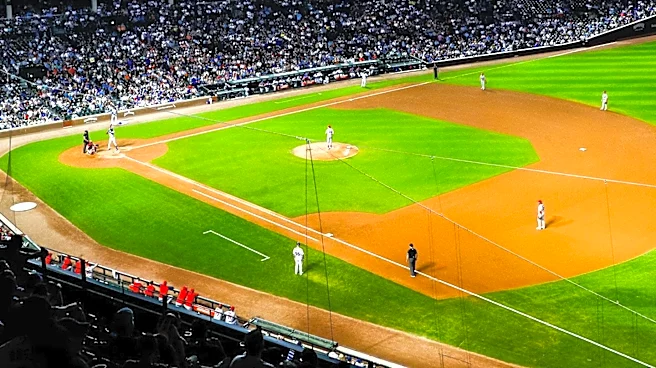
This performance placed them fourth in the National League standings, a commendable position given the competitive nature of the league. The team played their home games at Forbes Field, a venue that had become synonymous with the Pirates since its opening in 1909. The Pirates' ability to maintain a winning record during this season is a testament to their resilience and skill on the field.
Throughout the season, the Pirates faced various opponents, including the Cincinnati Reds, New York Giants, and Boston Braves. The team had notable victories, such as their July 6th game against the Braves, where they secured a decisive 17-1 win. This victory was one of the highlights of their season, showcasing the team's offensive capabilities and strategic prowess.
Management and Leadership
The 1918 Pittsburgh Pirates were managed by Hugo Bezdek, who played a crucial role in guiding the team through the season. Bezdek's leadership was instrumental in navigating the challenges of the time, including the impact of World War I on the league and its players. His ability to maintain team morale and focus was a key factor in the Pirates' successful season.
The team was owned by Barney Dreyfuss, a significant figure in baseball history. Dreyfuss was known for his commitment to the sport and his efforts to improve the game. Under his ownership, the Pirates continued to be a competitive force in the National League, and his influence was felt throughout the organization.
The Environment of 1918
The 1918 season was played under the shadow of World War I, which had a profound impact on Major League Baseball. Many players were called to serve in the military, and the league had to adapt to the changing circumstances. Despite these challenges, the Pirates managed to field a competitive team and maintain their position in the league.
Forbes Field, the Pirates' home ballpark, provided a familiar setting for the team and its fans. The stadium was known for its spacious outfield and iconic design, making it a beloved venue for baseball enthusiasts. Playing at Forbes Field gave the Pirates a home-field advantage that contributed to their successful season.
In conclusion, the 1918 Pittsburgh Pirates demonstrated resilience and determination in a challenging year. Their performance on the field, coupled with strong management and leadership, allowed them to secure a respectable position in the National League standings.