









The crash of Pan Am Flight 759 on July 9, 1982, was a devastating event that underscored the dangers of wind shear in aviation. This weather phenomenon, characterized by sudden changes in wind speed and direction, played a critical role in the accident. This article examines how wind shear contributed to the crash and the subsequent changes in aviation safety protocols.
Understanding Wind Shear
Wind shear is a meteorological condition that can occur at any altitude but is particularly
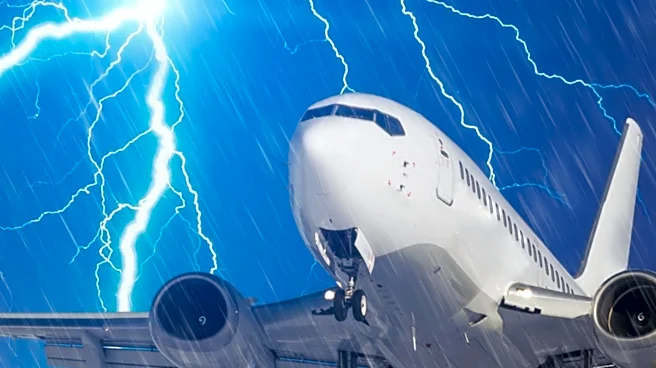
dangerous during takeoff and landing. It involves rapid changes in wind speed and direction, which can create significant challenges for pilots. In the case of Pan Am Flight 759, the aircraft encountered a microburst-induced wind shear shortly after takeoff from New Orleans International Airport.
A microburst is a small but intense downdraft that can cause a sudden loss of lift for an aircraft. As Flight 759 lifted off, it was subjected to a downdraft and a decreasing headwind, making it difficult for the pilots to maintain altitude. Despite the crew's experience and efforts, the aircraft began to descend uncontrollably, leading to the tragic crash.
The Role of Weather Forecasts
On the day of the accident, the weather forecast had warned of thunderstorms, severe turbulence, and wind shear. However, the existing wind shear detection technology at the time was limited, and the crew was unable to recognize and react to the conditions in time. The National Transportation Safety Board (NTSB) investigation highlighted the failure of the U.S. Government to provide adequate weather information and maintain wind shear detection devices at the airport.
The lack of real-time weather data and effective detection systems meant that the crew was flying blind in terms of the specific wind conditions they would face. This lack of information was a significant factor in the crash, as the pilots were unable to adjust their flight path to avoid the microburst.
Changes in Aviation Safety
The crash of Pan Am Flight 759 prompted a reevaluation of wind shear detection and avoidance systems in aviation. The tragedy highlighted the need for improved weather forecasting and real-time data to help pilots make informed decisions. In the years following the accident, advancements in technology led to the development of more sophisticated wind shear detection systems, which are now standard in modern aviation.
These systems provide pilots with critical information about wind conditions, allowing them to adjust their flight paths and avoid dangerous weather phenomena. The lessons learned from Flight 759 have contributed to making air travel safer and preventing similar accidents in the future.