







Smoothies have evolved from simple blended fruit drinks into a diverse category of beverages, characterized by their creamy texture and customizable ingredients. At its core, a smoothie typically features a liquid base combined with various solid components, all blended together to create a smooth, drinkable consistency. This versatility allows for a wide range of flavors and nutritional profiles, catering to different tastes and dietary needs.
Core Components and Common Additions
The
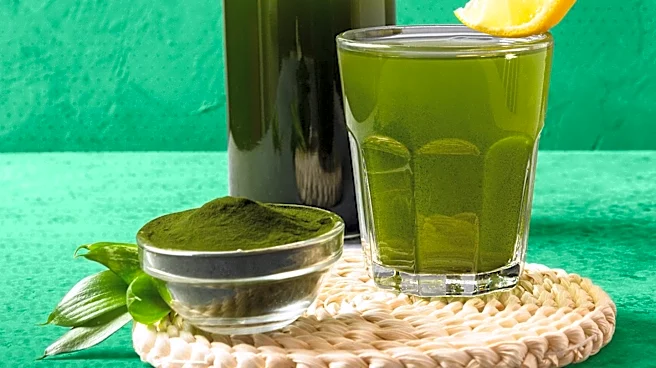
foundation of most smoothies is a liquid base, which can vary significantly. Popular choices include fruit juice, milk, yogurt, or even ice cream, each contributing distinct flavors and textures. Beyond the base, a plethora of other ingredients can be incorporated. Fruits are a primary component, offering natural sweetness and a wealth of vitamins. Vegetables are also frequently added, especially in "green smoothies," to boost nutritional content without significantly altering the taste when combined with sweeter fruits.
Other common additions include non-dairy milks, such as almond or soy milk, catering to those with lactose intolerance or specific dietary preferences. Crushed ice is often used to achieve a colder temperature and a thicker consistency. For enhanced flavor, spices and herbs can be introduced, while sweeteners are sometimes added to adjust the taste profile. Nutritional supplements, such as whey powder or other protein powders, are popular for those looking to increase their protein intake, often used by athletes or individuals seeking a meal replacement.
Specialized Smoothie Types
Within the broad category of smoothies, several specialized types have emerged, each with a particular focus. A yogurt smoothie, for instance, prominently features yogurt not only as a protein source but also to impart a creamy texture. Greek yogurt is particularly favored for its strained consistency, which acts as an effective thickener, and for its perceived health benefits. These smoothies often aim to combine the tanginess of yogurt with the sweetness of fruits.
Protein smoothies represent another significant category. These typically combine water or milk with protein powder, fruits, and vegetables. They are designed to be consumed at any time of day and serve as a convenient way for individuals to increase their protein intake. Protein powder, when mixed alone with milk or water, can sometimes have a chalky taste. The addition of fruits or other sweeteners in a protein smoothie helps to improve its palatability, making it a more enjoyable way to consume supplemental protein.
The Evolution of Ingredients and Health Focus
The history of smoothies shows a continuous adaptation of ingredients to meet consumer demands. Early pioneers like Steve Kuhnau experimented with fruit juices, vegetables, protein powder, and vitamins as alternatives for the lactose intolerant. Over time, fast food chains introduced sweeter ingredients, broadening their appeal. However, there has been a recent shift back towards more natural and wholesome components. For example, Smoothie King, a prominent chain, has focused on whole and unmodified ingredients, removing syrups and incorporating 100-percent organic vegetables to appeal to health-conscious consumers. This ongoing evolution highlights the smoothie's flexibility as a beverage that can be tailored for taste, nutrition, and specific dietary needs.