






The Automobile and Touring Club of Greece, known by its Greek acronym ELPA, was a significant organization in the country's history, particularly in the realms of motor sports and tourism. Founded in 1926, ELPA quickly established itself as the primary organizer of racing events across Greece, including the internationally renowned Acropolis Rally. Its influence extended beyond competitive driving, encompassing crucial infrastructure development and tourist
services, making it a multifaceted entity that shaped aspects of Greek life for decades.
Early Foundations and International Affiliations
ELPA's establishment in 1926 marked the beginning of a structured approach to motor sports and automotive services in Greece. The organization swiftly gained international recognition, becoming a member of both the International Automobile Federation (FIA) and the International Federation of Motorcycling (FIM) in 1927. These affiliations underscored ELPA's commitment to international standards and its role in connecting Greek motor sports with the global community.
Beyond its racing endeavors, ELPA played a vital role in supporting motorists, both Greek and foreign, within and outside the country's borders. This commitment to service was evident in its early initiatives, which laid the groundwork for safer and more accessible road travel in Greece. The organization's proactive approach to infrastructure and motorist support set a precedent for future developments in the country.
Contributions to Infrastructure and Tourism
One of ELPA's most significant contributions before World War II was its undertaking of putting up traffic signs along the Greek road network. This crucial effort was financed entirely from ELPA's own funds, demonstrating its dedication to public safety and organized travel. This initiative continued until 1957, at which point the Greek government assumed responsibility for traffic sign installation, highlighting ELPA's pioneering role in this area.
In addition to its infrastructure work, ELPA was deeply involved in the tourist services sector. The organization actively provided information to travelers and was responsible for publishing the first road maps of Greece. These maps were invaluable resources for navigating the country and played a key role in promoting tourism by making travel more accessible and understandable for visitors. The annual Acropolis Rally, which began in 1952, further boosted Greek tourism, drawing international attention and participants to the country's scenic routes and challenging terrain.
Motorsport Organization and Social Engagement
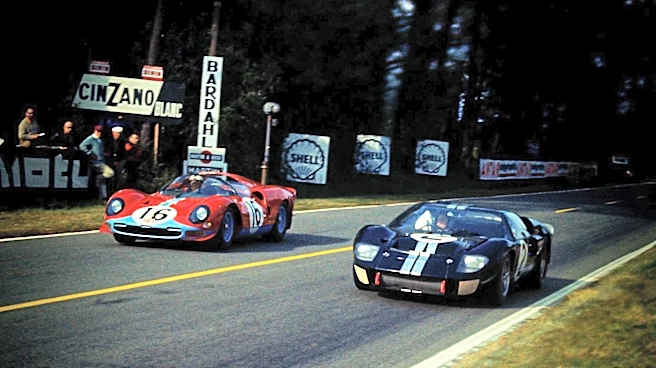
From its inception, ELPA was central to organizing both national and international car and motorcycle races. The Acropolis Rally stands out as its most prominent event, gaining world fame and becoming a cornerstone of Greek motorsport. This rally not only showcased competitive driving but also served as a significant cultural and economic event for Greece, attracting spectators and participants from around the globe.
Beyond the high-profile races, ELPA also demonstrated a commitment to social causes. Since 1993, the racing department of ELPA provided support to the National Special Olympics Team, with a particular focus on the cycling team. This involvement illustrates the organization's broader impact, extending its reach to support athletes with special needs and contributing to the community in meaningful ways. Although ELPA is now reported to be defunct, its legacy as a pioneering force in Greek motor sports, road infrastructure, and tourism remains a notable chapter in the nation's history.