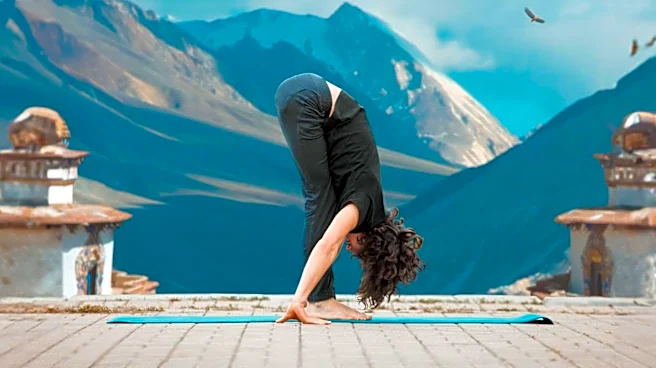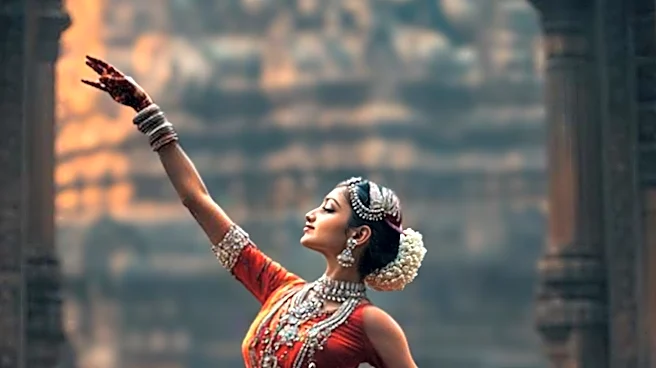









Yoga asanas, or postures, are more than just physical exercises; they carry deep cultural and symbolic meanings. These poses have evolved over centuries, reflecting the spiritual and philosophical roots of yoga. This article delves into the cultural significance of yoga asanas and their role in the broader context of yoga practice.
Symbolism in Traditional Asanas
Traditional yoga asanas are rich in symbolism, often named after animals, objects, or legendary figures. For instance,
the lion pose, Simhasana, is named after Narasimha, an avatar of Vishnu, symbolizing strength and courage. Similarly, the lotus pose, Padmasana, represents purity and spiritual enlightenment, as the lotus flower rises above muddy waters to bloom.
These symbolic meanings are not merely decorative; they serve to connect practitioners with the deeper spiritual aspects of yoga. By embodying these symbols, practitioners are reminded of the qualities they represent, such as balance, focus, and inner peace. This connection between physical postures and spiritual ideals is a hallmark of traditional yoga practice.
The Evolution of Asanas in Modern Yoga
In modern yoga, asanas have taken on new meanings and purposes. While traditional symbolism remains, the focus has shifted towards physical health and wellness. This change reflects the broader evolution of yoga from a spiritual discipline to a popular form of exercise.
The introduction of standing asanas, for example, has transformed yoga into a more dynamic practice. These poses emphasize strength and balance, appealing to those seeking physical fitness. Despite this shift, the cultural roots of yoga remain evident in the names and forms of the asanas, preserving their symbolic significance.
Yoga Asanas in Contemporary Culture
Today, yoga asanas are a global phenomenon, practiced by millions worldwide. They have become a symbol of health and wellness, often featured in media and advertising. This widespread popularity has led to debates about cultural appropriation and the commercialization of yoga.
While some argue that modern yoga has strayed from its spiritual roots, others see it as a natural evolution that makes yoga accessible to a broader audience. Regardless of these debates, the cultural significance of yoga asanas endures, offering a bridge between ancient traditions and contemporary practices.
Yoga asanas continue to inspire and challenge practitioners, both physically and spiritually. Their cultural and symbolic meanings enrich the practice, providing a deeper understanding of yoga's enduring appeal. As yoga evolves, these asanas remain a testament to the practice's rich cultural heritage.